
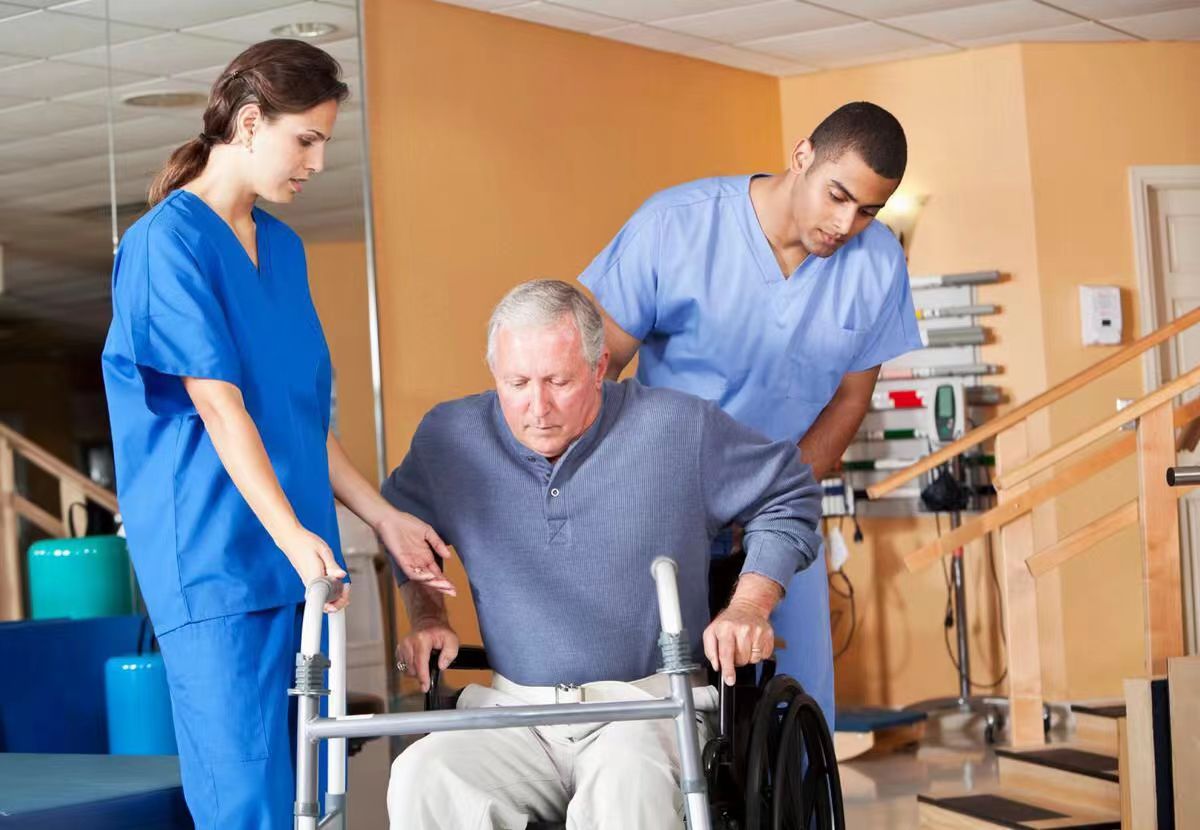
Arthritis, a globally prevalent chronic disease characterized by joint inflammation and functional degeneration, hits the knee, the body's largest weight-bearing joint, the hardest. Whether it's cartilage wear caused by osteoarthritis or synovial lesions triggered by rheumatoid arthritis, both ultimately lead to a common problem: loss of knee flexion and extension function. When pain shifts from "intermittent" to "persistent," and range of motion shrinks from "flexible" to "limited," patients not only endure physical suffering but also face a sharp decline in quality of life. However, the emergence of the knee flexor-extensor has brought a new turning point in this "protracted battle" against arthritis. With its scientific rehabilitation logic, it helps patients move from "passive endurance" to "active rehabilitation."
I. Arthritis: The "Invisible Threat" Devouring Knee Function
Arthritis comes in various types, among which osteoarthritis and rheumatoid arthritis are the two main ones affecting the knee. Osteoarthritis is known as the "disease of time." As people age, the cartilage on the surface of the knee joint gradually loses elasticity, wearing down and breaking under long-term weight-bearing and repeated friction. Cartilage is originally the "buffer pad" between bones; once damaged, bones rub directly against each other, causing pain, swelling, and stiffness. Patients often feel their knees "locked" when getting up in the morning, which takes a long time to relieve. Going up and down stairs becomes particularly difficult due to the inability to flex and extend the knees smoothly.
Rheumatoid arthritis, on the other hand, is an autoimmune disease. Abnormal attacks by the immune system cause inflammation and fluid accumulation in the knee synovium, which then erodes cartilage and bone. Unlike osteoarthritis, its pain is often symmetrical, accompanied by obvious morning stiffness (lasting more than 1 hour) and the risk of joint deformity. Regardless of the type, the degeneration of knee flexion and extension function forms a vicious cycle: reduced activity due to pain leads to atrophy of the muscles around the knee (quadriceps, hamstrings), and weakened muscle strength further reduces joint stability, aggravating cartilage wear. Eventually, patients fall into the predicament of "the less you move, the more it hurts; the more it hurts, the less you move." Statistics show that there are about 350 million arthritis patients worldwide, nearly half of whom have knee dysfunction, and severe cases even need to rely on wheelchairs.
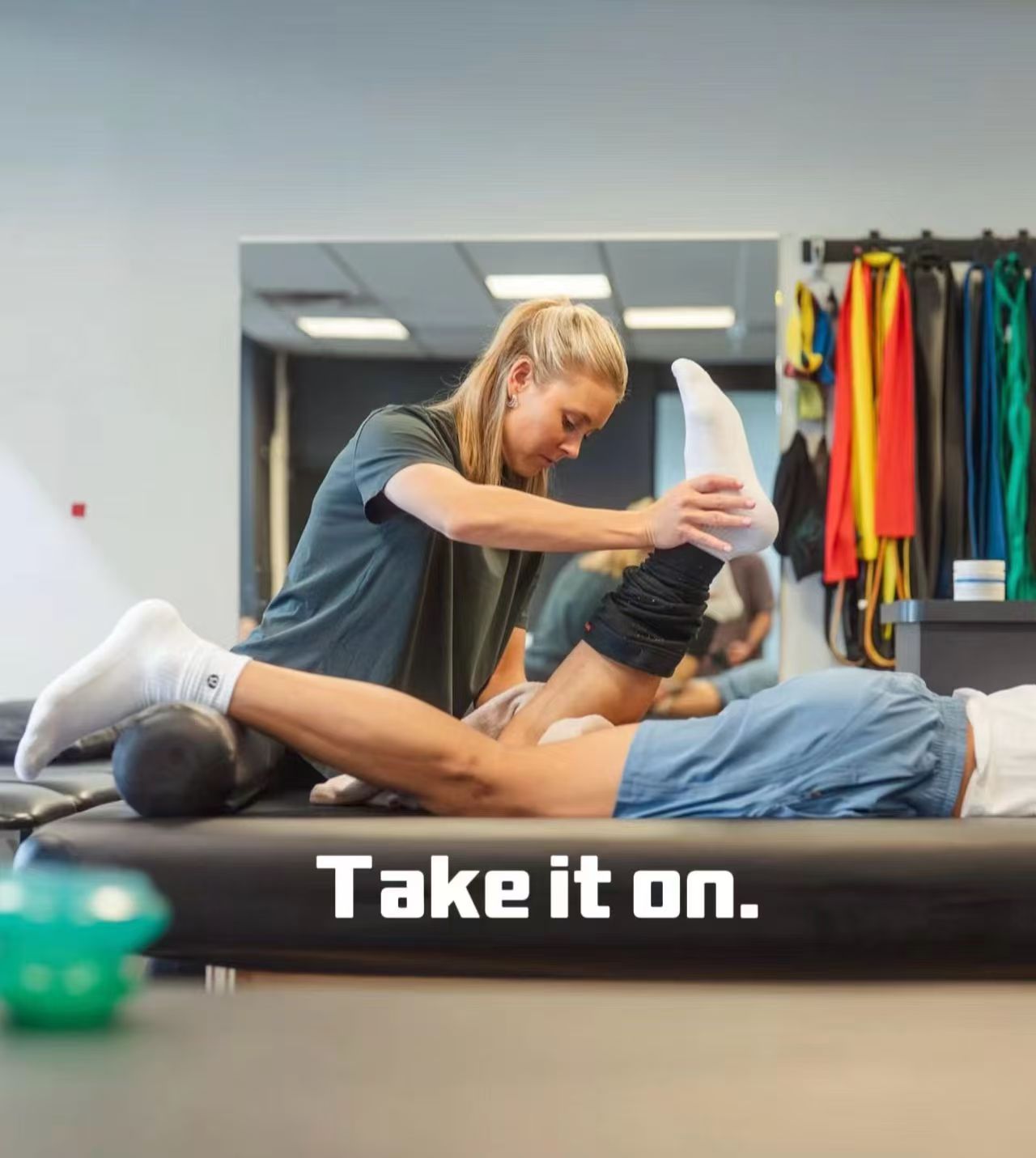
II. Knee Flexor-Extensor: The "Core Tool" for Scientific Rehabilitation
Traditional arthritis treatment methods, such as painkillers, hot compresses, and massages, mostly stay at the level of relieving surface symptoms and cannot fundamentally improve joint function and muscle strength. The knee flexor-extensor breaks this limitation. With "active training" as its core, it builds a systematic solution for knee rehabilitation through precise mechanical design and graded training modes.
1. Ergonomic Design: A "Rehabilitation Partner" Fitting the Knee
The primary feature of a high-quality knee flexor-extensor is "precise adaptation." It uses adjustable straps and curved pads to closely fit the knee contours of different patients, ensuring that the knee is always in the correct force-bearing trajectory during training. At the same time, it strictly follows the physiological flexion-extension range of the knee (0°-135°) and simulates the natural flexion-extension movement of the human body through a multi-axis linkage structure, avoiding secondary joint damage caused by angle deviation. For patients with limited range of motion, the flexor-extensor also has a "progressive angle expansion" function, starting from the current tolerable angle anding 1-2° each training session to gently break the "shackles" of joint stiffness.
2. Graded Training Modes: Adapting to the Entire Rehabilitation Cycle
Knee rehabilitation is a gradual process, and the flexor-extensor perfectly matches different stages of patients through three-level training modes:
-
Acute phase (inflammation attack period): Focus on "passive flexion and extension." The flexor-extensor drives the knee to move slowly through a motor or spring device, promoting joint synovial fluid circulation and relieving stiffness. The training time is controlled at 10-15 minutes, and active force should be avoided to prevent aggravating inflammation.
-
Remission phase (pain reduction period): Switch to "active training." Patients actively exert force to complete flexion and extension movements, and the device strengthens muscles through a preset reasonable resistance design. Each training session lasts 20-30 minutes, 3-5 times a week, focusing on enhancing the strength of the quadriceps and hamstrings.
-
Functional recovery phase: Focus on "scenario-based training," simulating the mechanical needs of daily movements such as going up and down stairs, squatting, and walking. Dynamic resistance changes are set to allow patients to adapt to real-life scenarios in advance on the device, achieving a leap from "being able to move" to "knowing how to move."
3. Targeted Muscle Activation: Building a "Protective Barrier" for the Knee
The stability of the knee depends on the support of surrounding muscles. The flexor-extensor activates key muscle groups through "precision muscle training":
Quadriceps training: As the main muscle responsible for knee extension, quadriceps atrophy is the core cause of knee instability. The flexor-extensor allows the quadriceps to contract at different angles through modes such as "seated knee extension" and "standing knee lift," gradually increasing strength. Clinical data shows that after 8 weeks of consistent training with the flexor-extensor, patients' quadriceps strength can increase by 30%-40%, and pain scores can decrease by more than 35%.
Hamstring training: Located on the back of the thigh, the hamstrings are responsible for knee flexion and form a balance with the quadriceps. The "prone knee flexion" training of the flexor-extensor can stretch and strengthen the hamstrings, improve muscle flexibility, and avoid uneven joint force caused by imbalance.
III. Knee Flexor-Extensor: The "Key Collaborator" in Comprehensive Treatment
Arthritis rehabilitation requires multiple approaches. The knee flexor-extensor does not exist in isolation but forms efficient collaboration with other treatments:
Collaboration with drug therapy: Drugs (such as anti-inflammatory drugs and cartilage protectants) can quickly control inflammation but cannot reverse muscle atrophy. Flexor-extensor training can enhance muscle strength, reduce drug dependence, and at the same time promote blood circulation, increasing the concentration of drugs in the joint area and enhancing efficacy. For example, after pain relief, patients can gradually reduce medication through training, lowering the risk of side effects.
Coordination with physical therapy: Thermotherapy, cryotherapy, and ultrasonic therapy can improve local circulation and relieve muscle spasms. Using the flexor-extensor after physical therapy allows relaxed muscles to enter the training state faster, improving training effects. Conversely, applying cold compresses after training can reduce muscle soreness and accelerate recovery.
Integration with lifestyle adjustments: Weight management and correct posture are crucial for knee arthritis rehabilitation. The training results of the flexor-extensor need to be consolidated through a healthy lifestyle. For example, after enhancing muscle strength through training, patients can further reduce joint burden and delay cartilage wear by controlling weight (for every 1kg of weight loss, the pressure on the knee is reduced by 4kg). At the same time, the correct force application habits developed during training can also help patients avoid knee injuries caused by improper movements in daily life.
IV. Selection and Use: Making Rehabilitation More Efficient and Safe
When choosing a knee flexor-extensor, three points should be noted: First, "safety"—prioritize products with medical device certifications (FDA/CE certification) to ensure safe materials and stable structure. Second, "adaptability"—choose products with preset resistance designs that meet the needs according to your knee size and rehabilitation stage. Third, "convenience"—products for home use should be small in size and easy to operate.
When using it, the principle of "gradual progress" should be followed: Consult a doctor or rehabilitation therapist to formulate a plan before first use; maintain even breathing during training and avoid holding your breath; stop immediately if obvious discomfort occurs; adhere to regular training and avoid "fishing for three days and drying the net for two days."
Conclusion: Let the Knee "Breathe Freely" Again
Arthritis brings not only physical pain but also the erosion of enthusiasm for life. However, the emergence of the knee flexor-extensor has given patients the possibility of regaining freedom of movement. It is not a simple "pain-relieving tool" but a "partner" accompanying rehabilitation, helping patients change from "afraid of moving" to "active training," and from "relying on others" to "living independently."
If you are troubled by knee arthritis, you may wish to try this knee flexor-extensor. Although it may not reverse existing joint damage, it can make the knee regain vitality through scientific training, allowing you to experience the beauty of walking easily and enjoying life again. Don't let pain block your way forward; let the knee flexor-extensor become a "booster" on your rehabilitation journey, restarting knee vitality and regaining a wonderful life!