



Professional advice

Verified Potency

Free shipping

Authoritative certifcation
first_image_ratio = 100
-0.png?w=2048&h=2048)
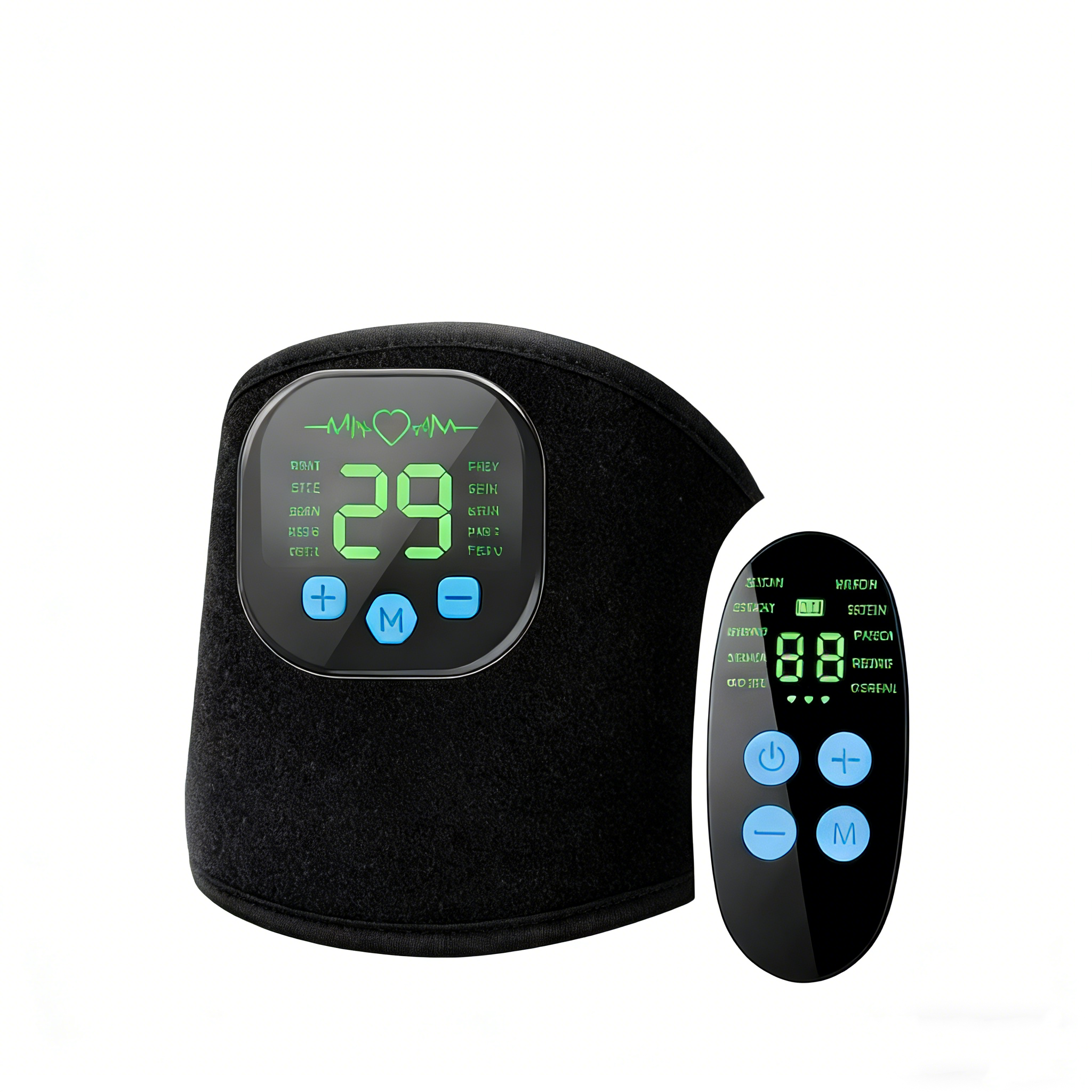
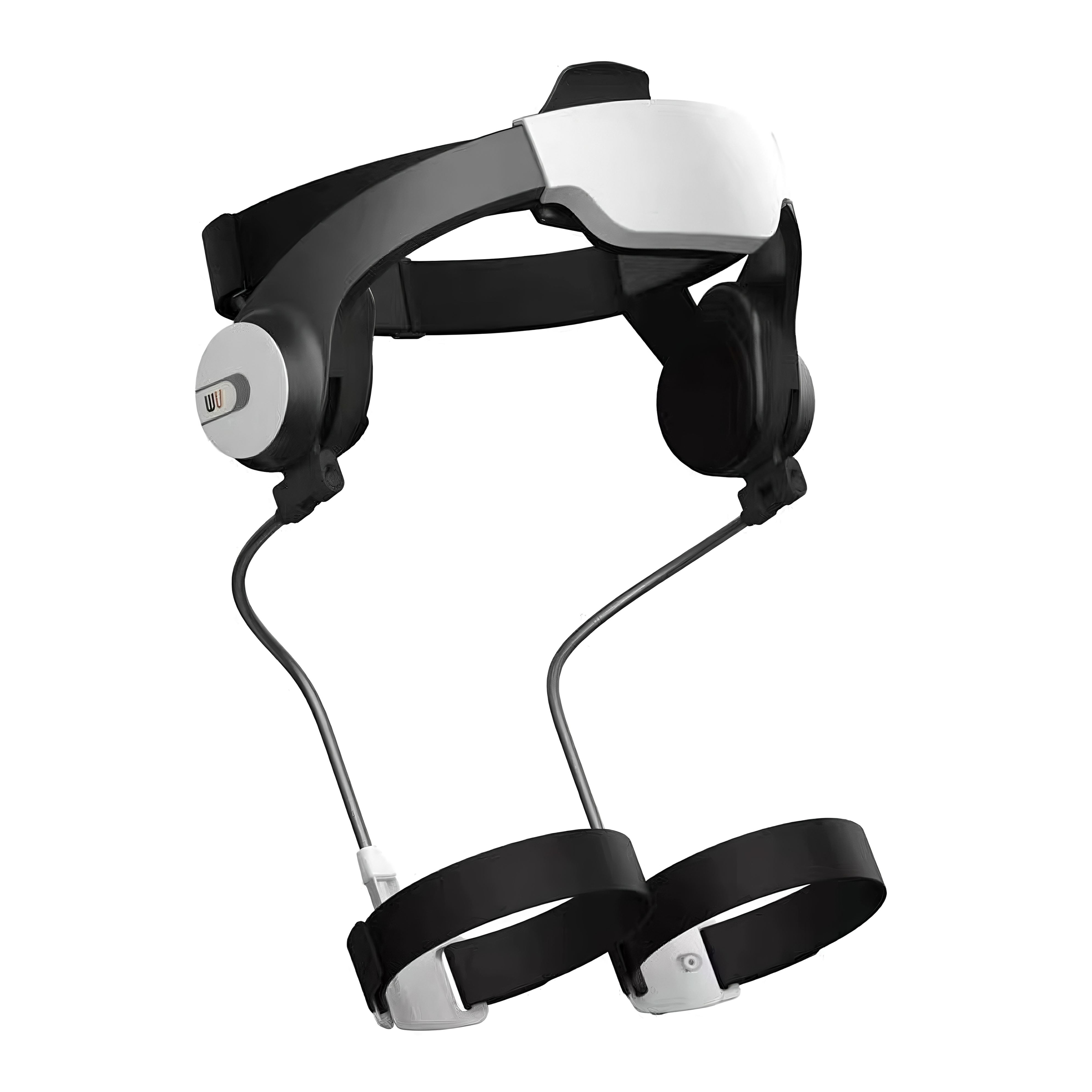
FIND YOUR PERFECT REHABILITION STIMULATION DEVICE
Electrical stimulators—give your body a boost
Free worldwide shipping
Provide exclusive consultation services
Early access to new product launches and sales
Personal information confidentiality, secure transportation
Explore THC & CBD Products That Care As Much As You Do...
-2.jpg?w=800&h=800)
-9.png?w=1536&h=1536)
first_image_ratio = 100
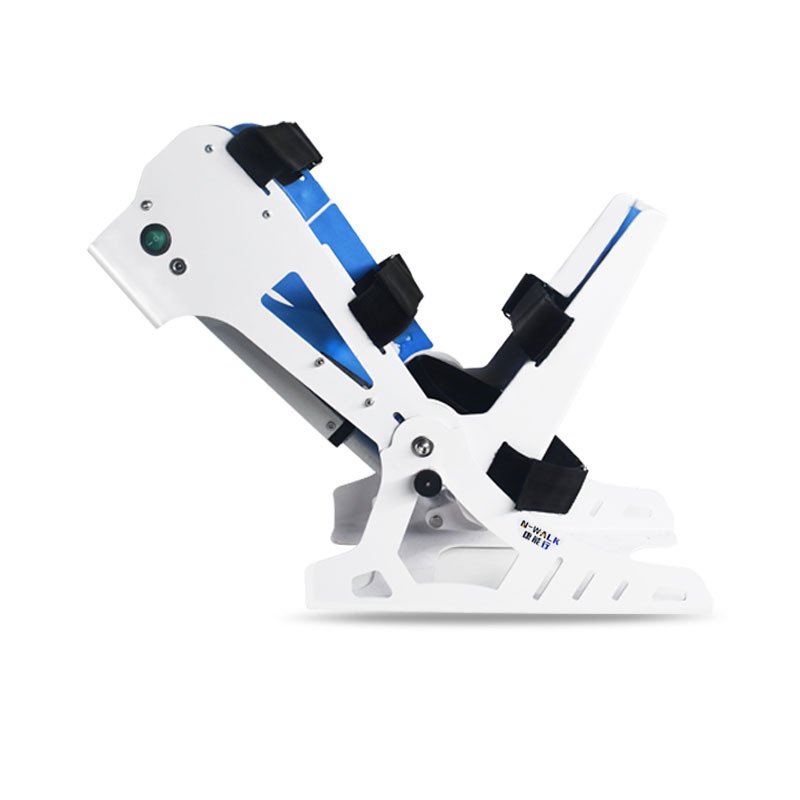
HIGH-TECH FULLY AUTOMATIC ANKLE TRAINING
Subscribe & Save 10%
Fully automatic operation, freeing up your hands
Scientific simulation of ankle movement trajectory
Home-based rehabilitation saves time and costs.
Simple to operate and suitable for a wide range of people
More than 150k five-star reviews
.jpeg?w=1220&h=1277)
I am a stroke survivor. My son bought me a foot drop orthosis. It's not complicated to use, and I can use it myself. I use it every day now, and walking is much easier than before, and my foot drop has improved.
.jpeg?w=1223&h=1836)
I bought Rehabify products during my post-operative recovery period, and they were very helpful as a daily rehabilitation aid. They're non-irritating, so I feel safe using them, and the effects are even more noticeable when used in conjunction with rehabilitation training.

I bought a knee assist device, and after using it for about a week, the soreness and swelling in my knees have significantly decreased. It's very easy to use,really helpful for someone like me who has been experiencing this discomfort for a long time.
1
/
1
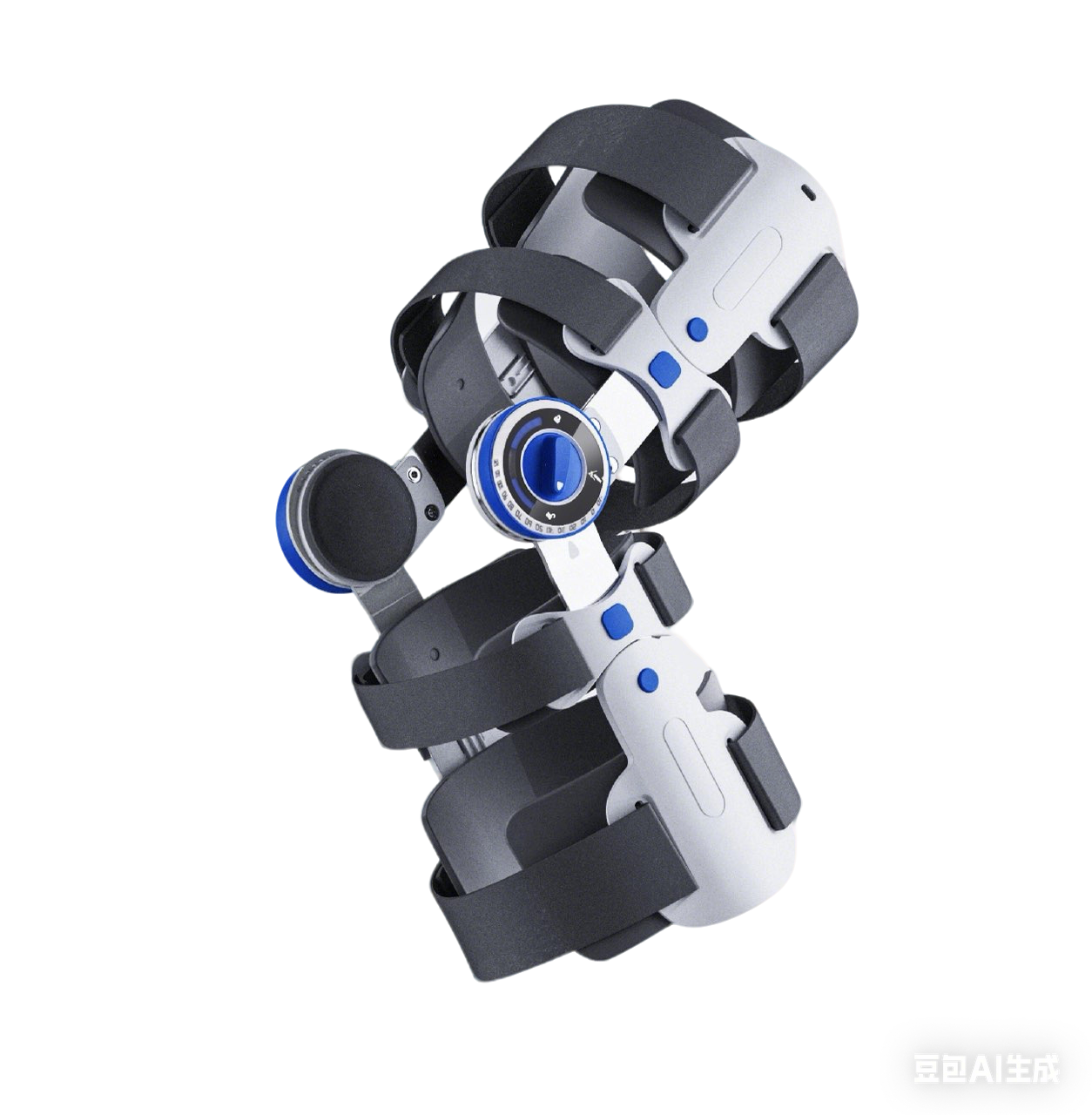
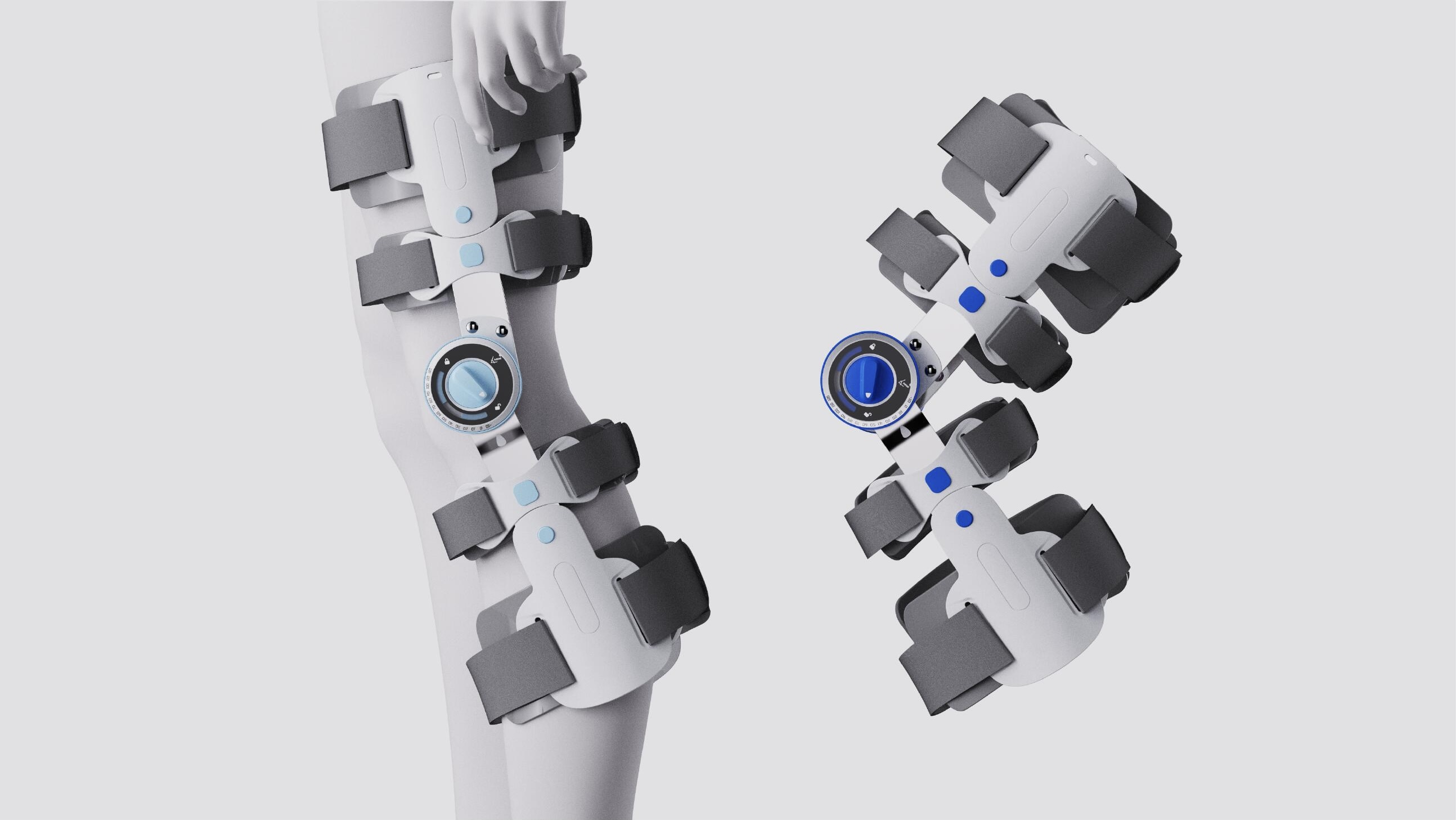
ADJUSTABLE KNEE MOUNT
Learn More.png?w=1262&h=1294)
FOR PATIENTS WITH UPPER LIMB PARALYSIS
BEST SELLERS
-
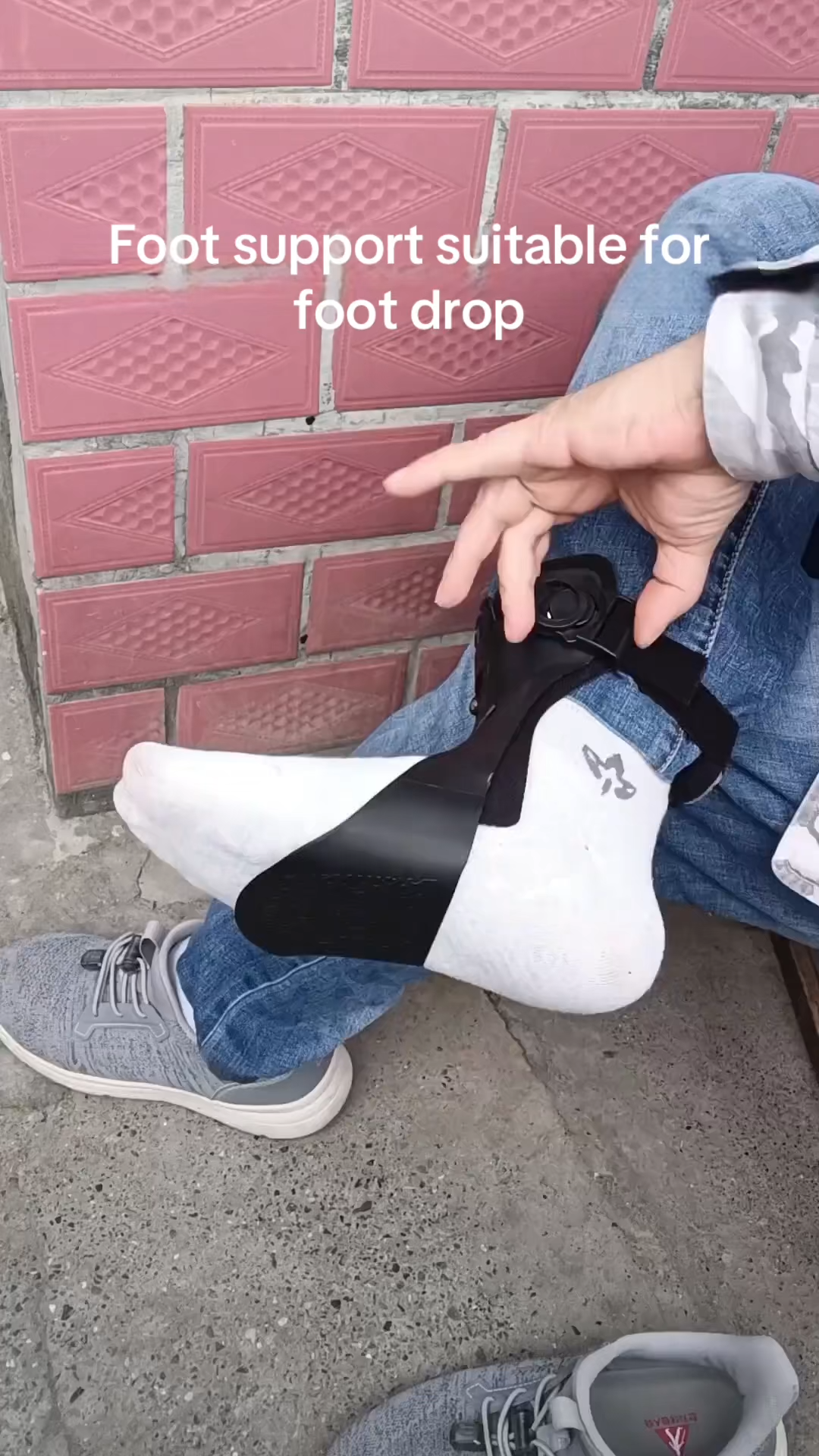
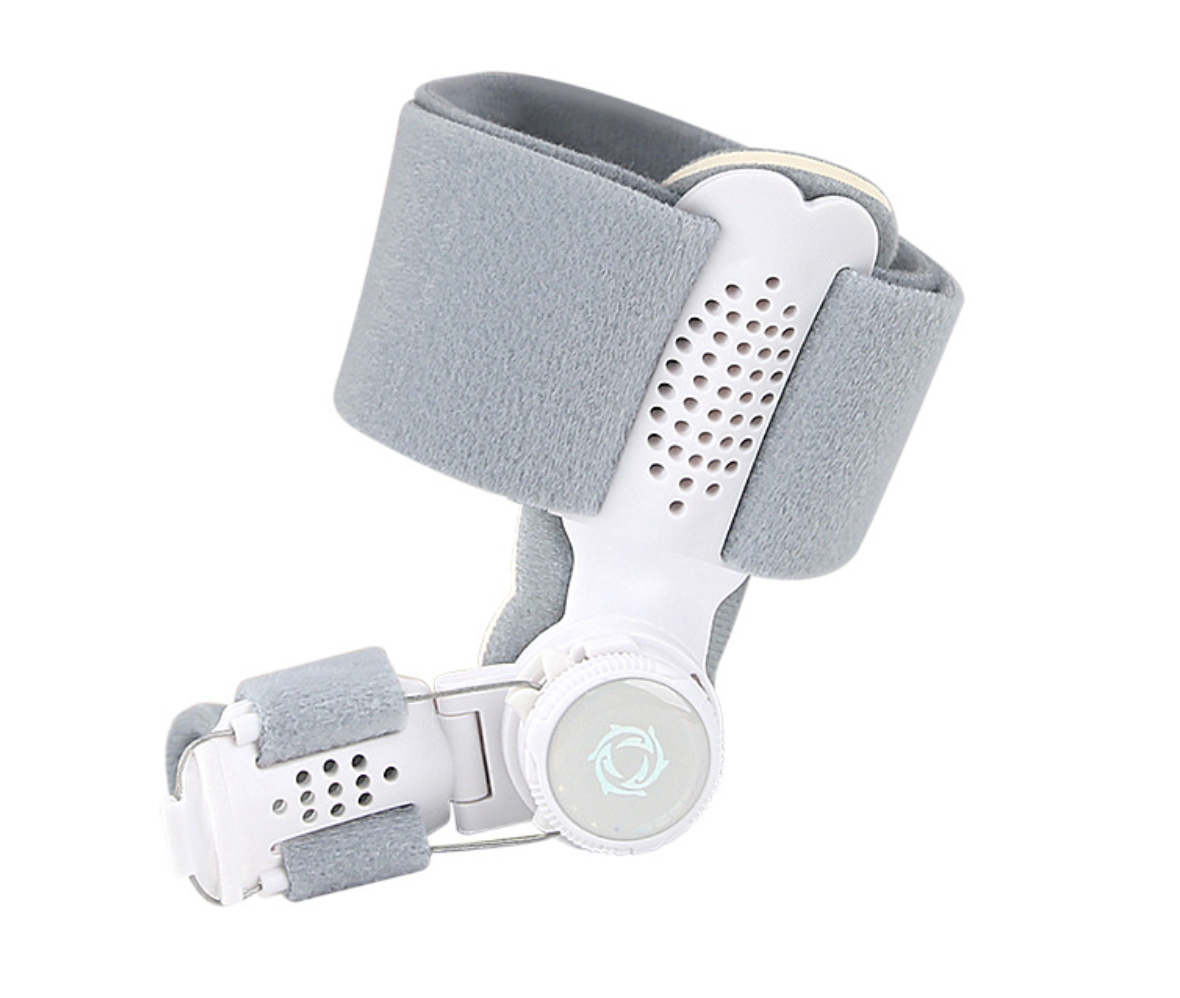
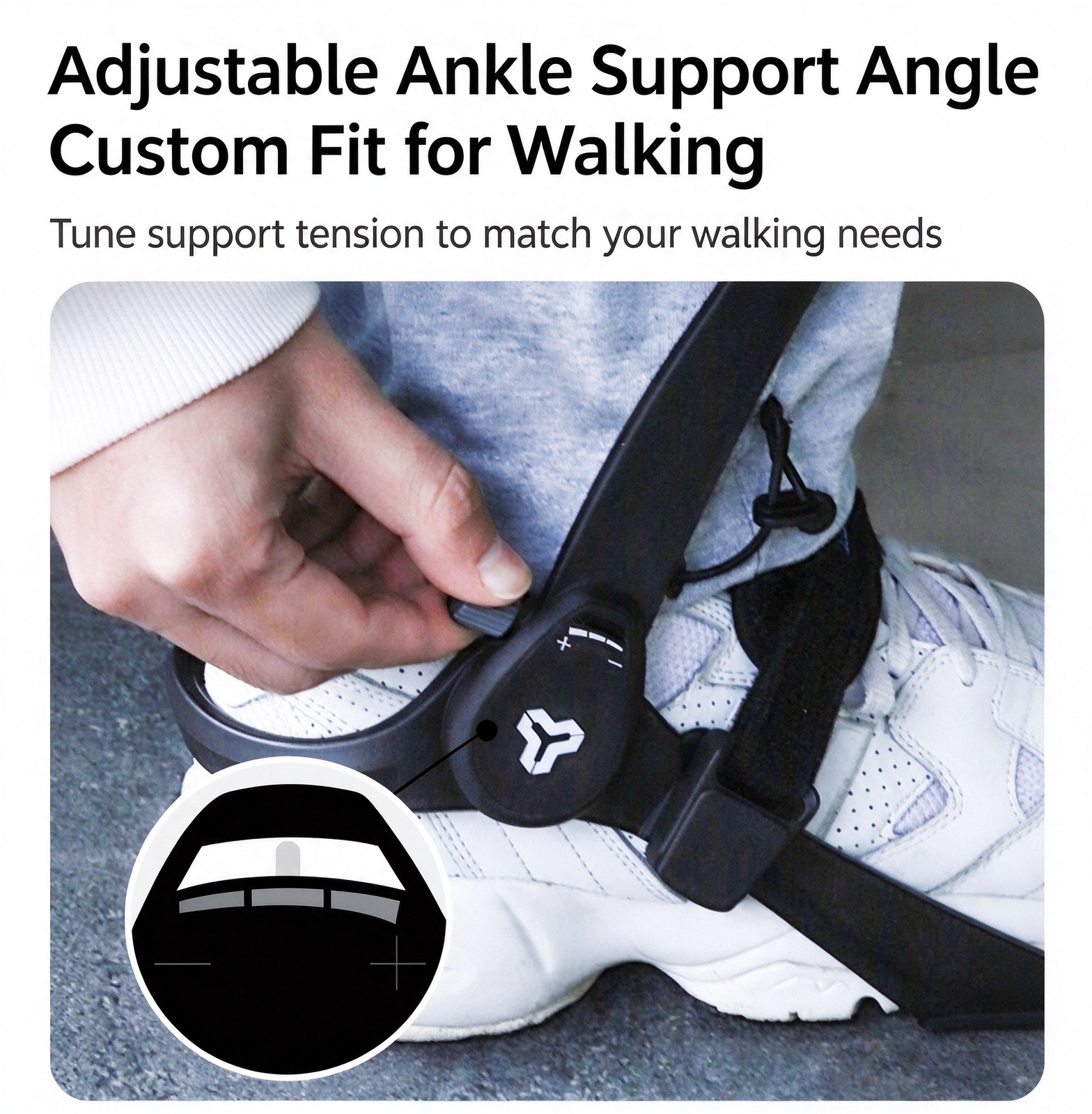
Foot drooping and inversion orthosis
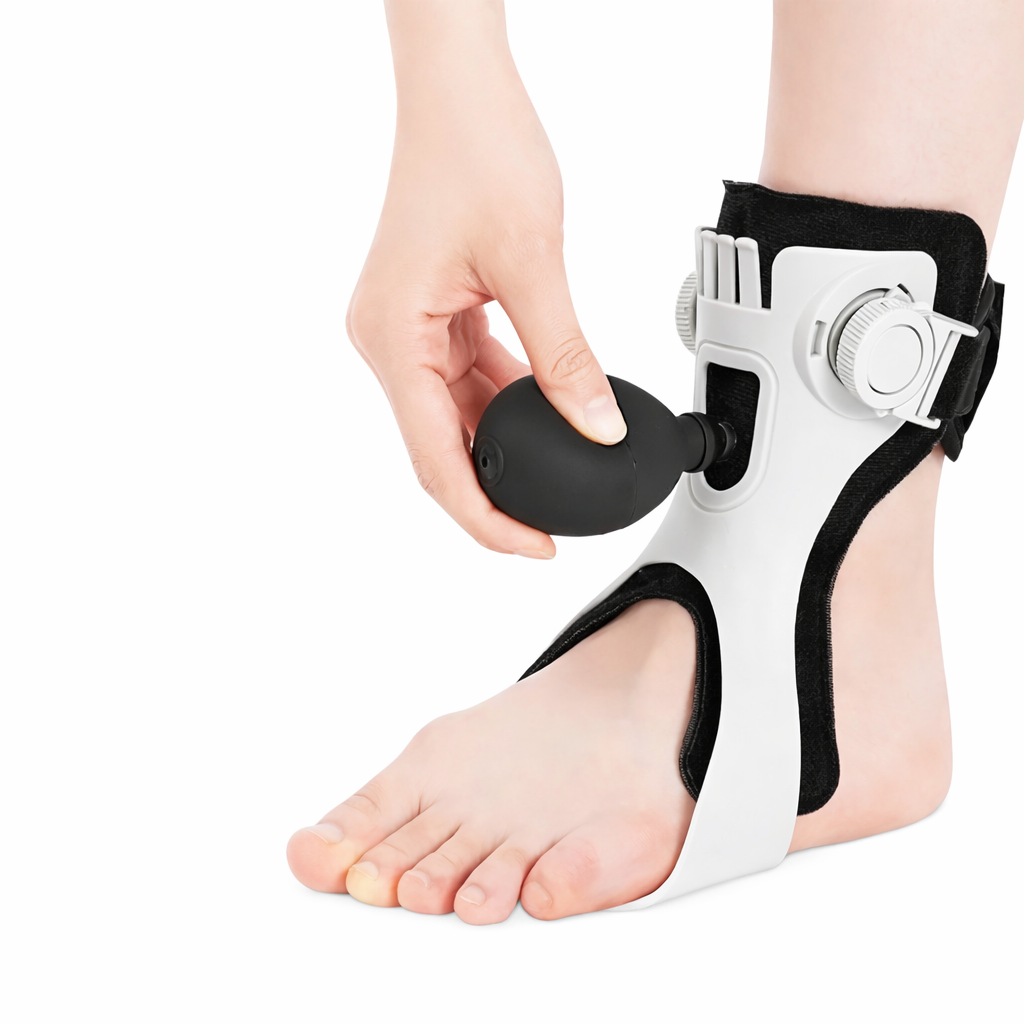 Foot drooping and inversion orthosis$66.00 USD - $70.00 USD
 -
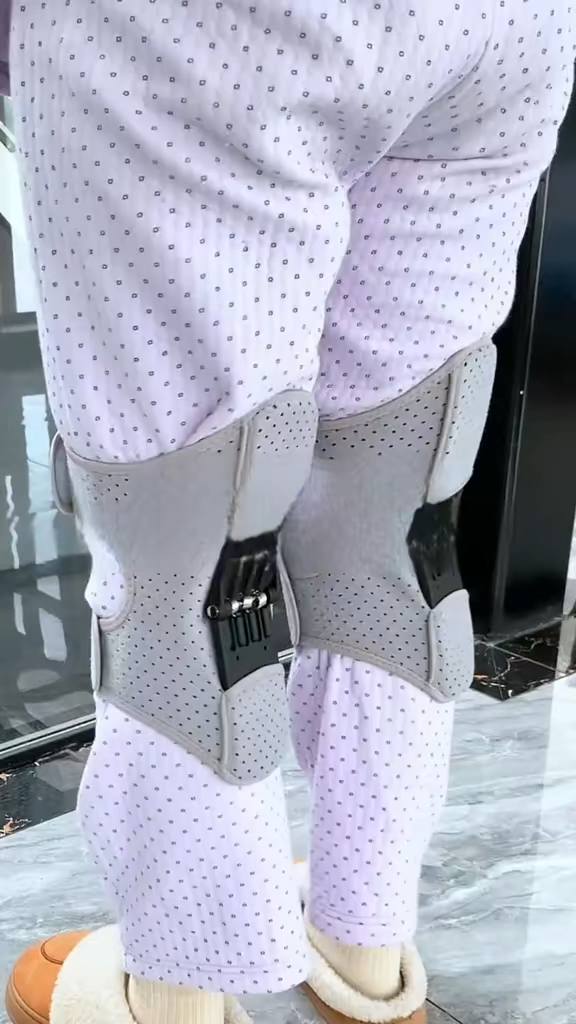
Knee booster
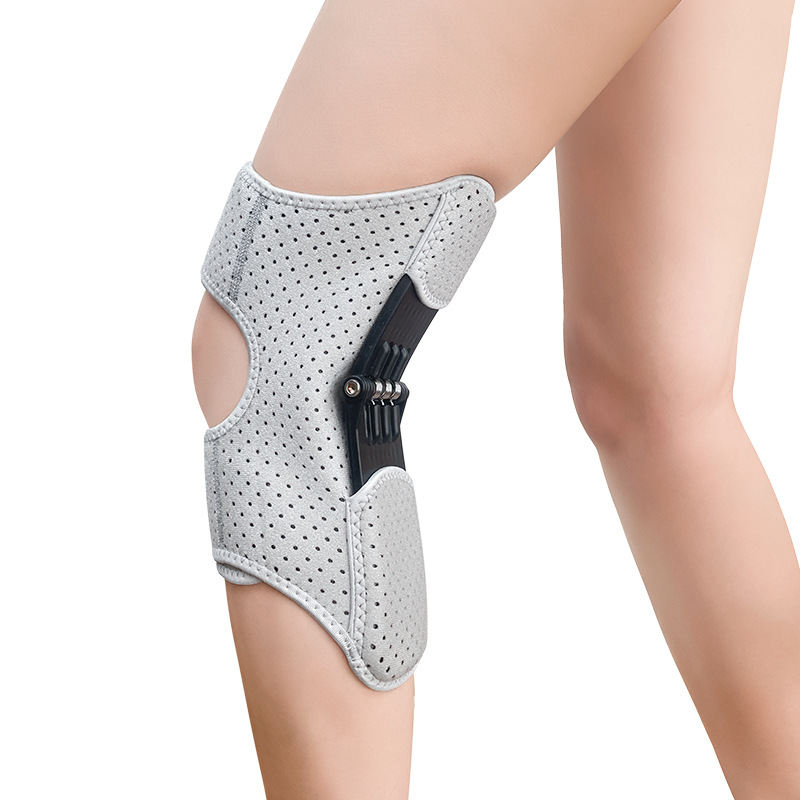 Knee booster$39.90 USD$50.00 USD
 -
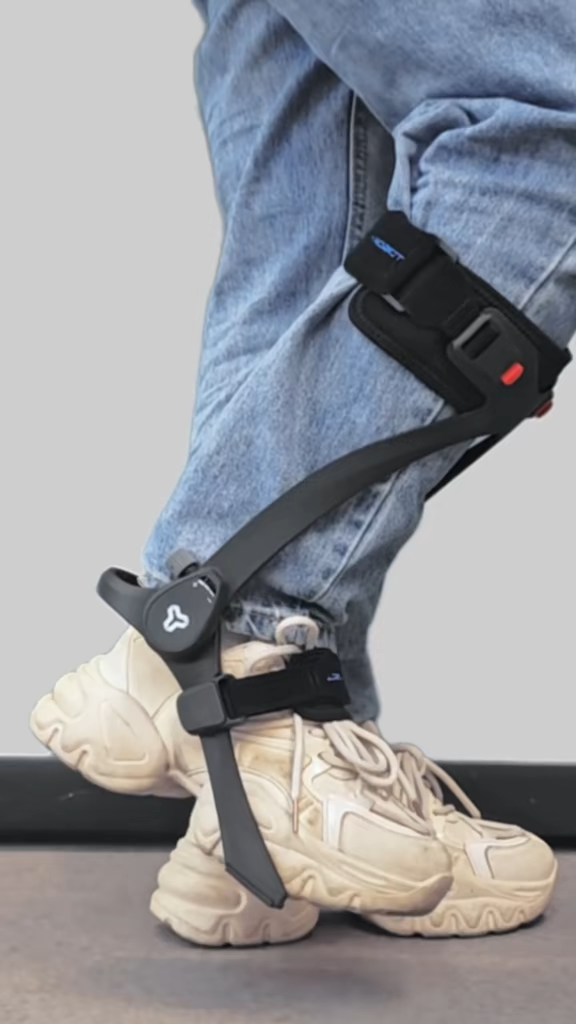
Ankel foot orthosis
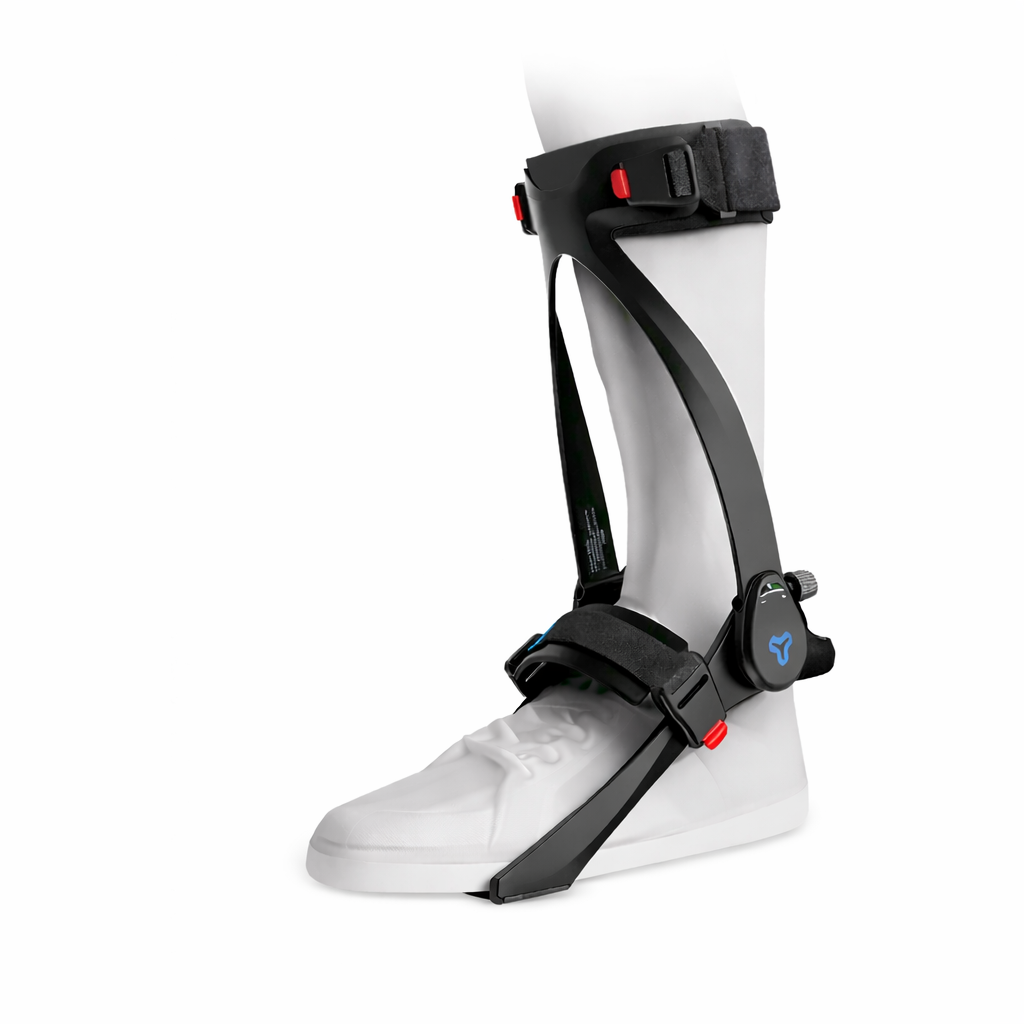 Ankle-foot orthosis$299.00 USD
 -
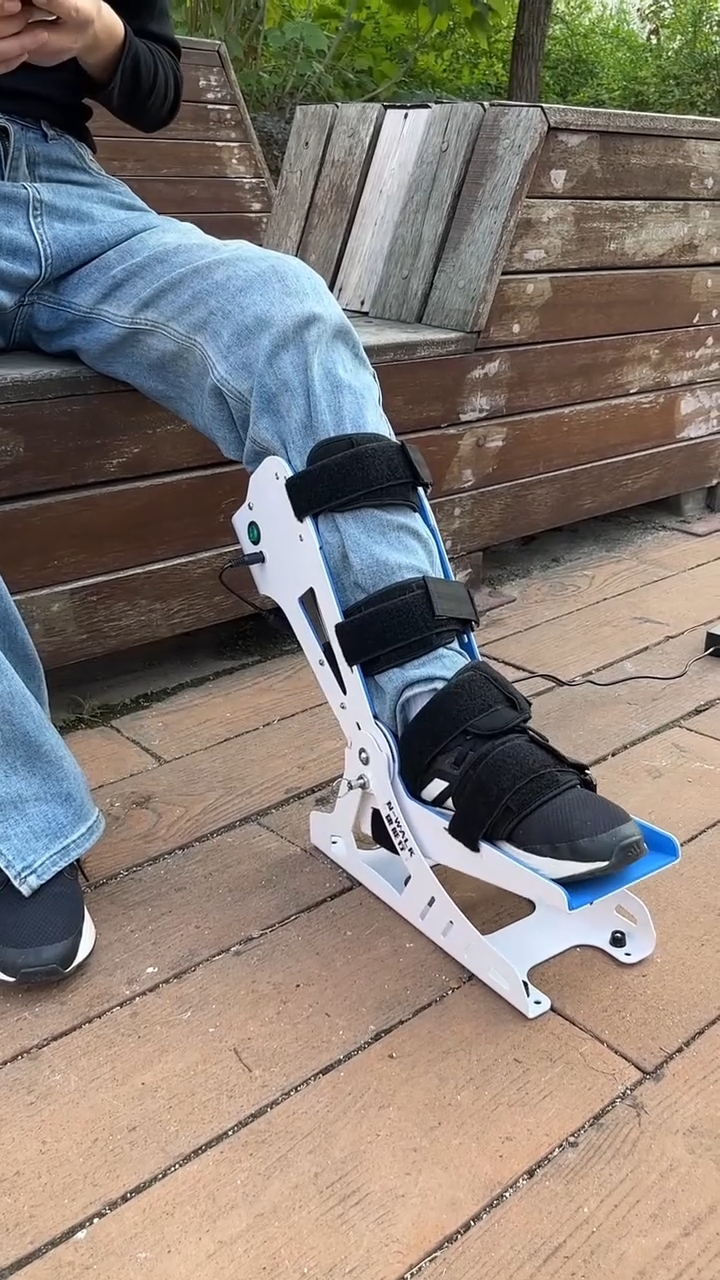
Fully automatic electric ankle trainer
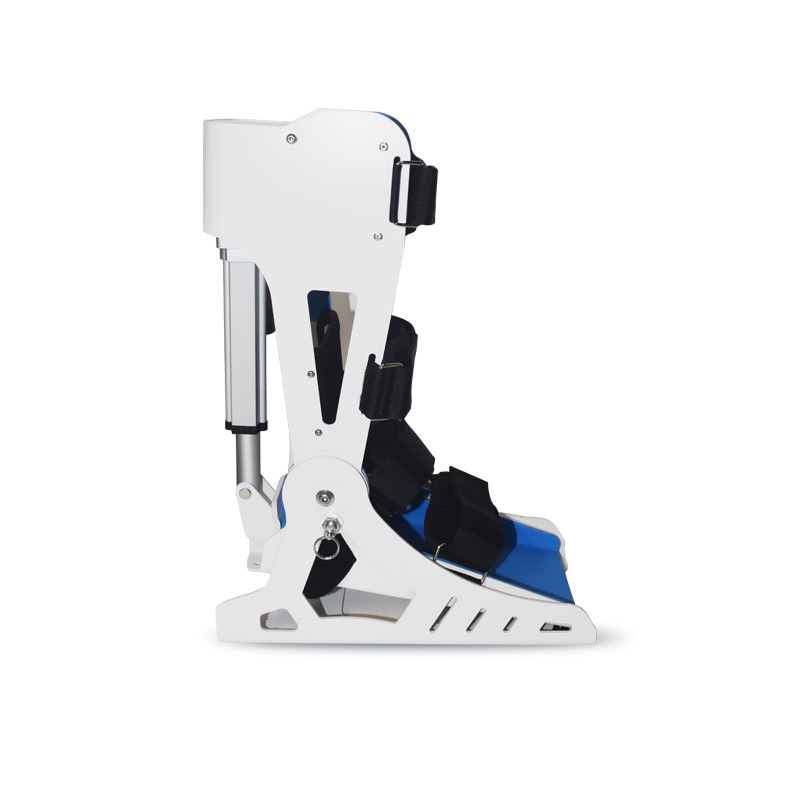 Electric Ankle Rehabilitation Trainer| Foot Drop Stroke Hemiplegia Home Ankle Mobility Recovery Device$299.00 USD
 -
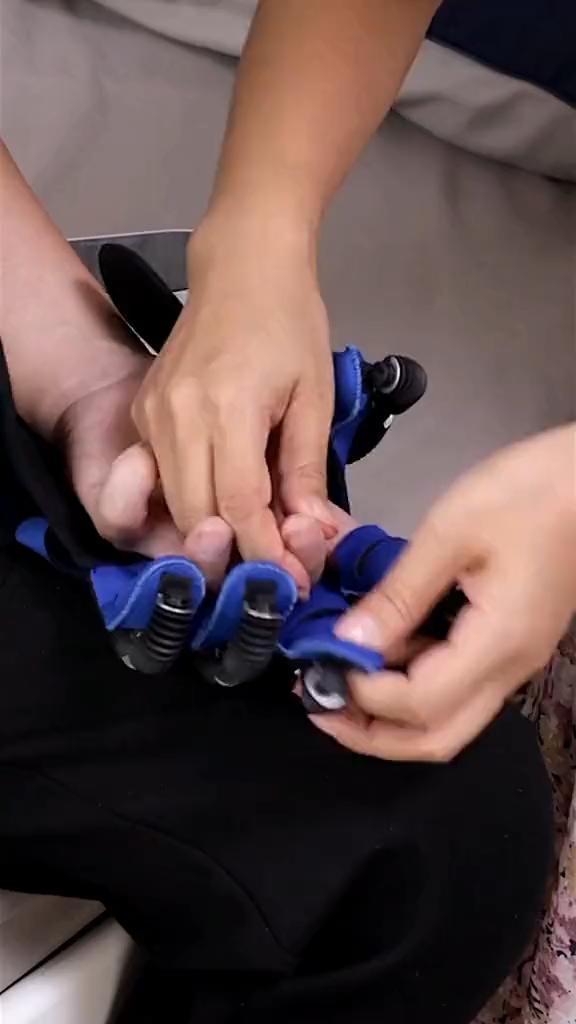
Smart finger training recovery device
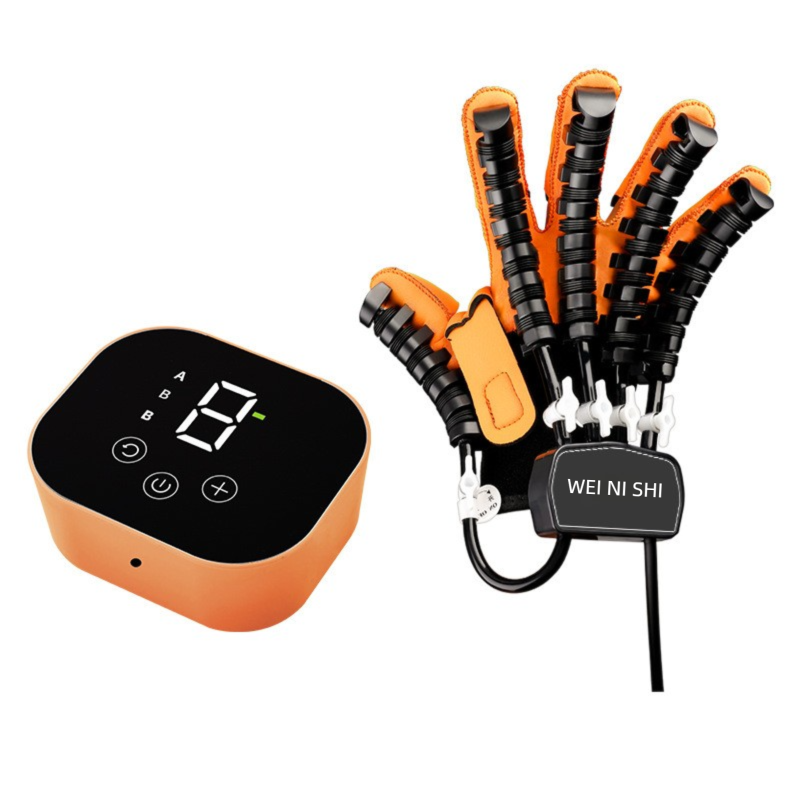 Smart finger training recovery device$80.00 USD - $159.00 USD


Blog posts
-
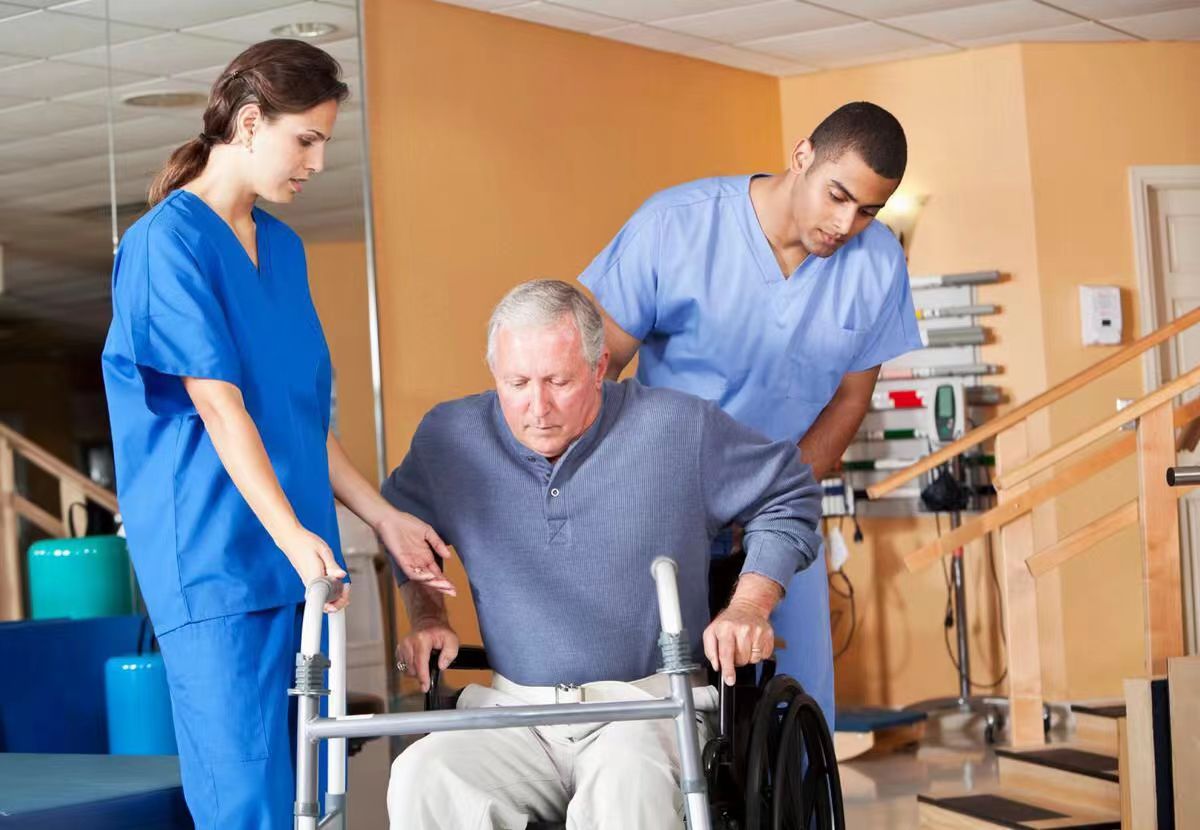
Restart Knee Vitality: Knee Flexor-Extensor, A New Rehabilitation Choice for Arthritis Patients
6. marras 2025 rehabifyFor arthritis patients, knee pain and stiffness are no longer "occasional discomforts" but constant troubles. Actions that were once easy—getting up in the morning, squatting to tie shoelaces, taking a walk—now require careful hesitation with every step.
-
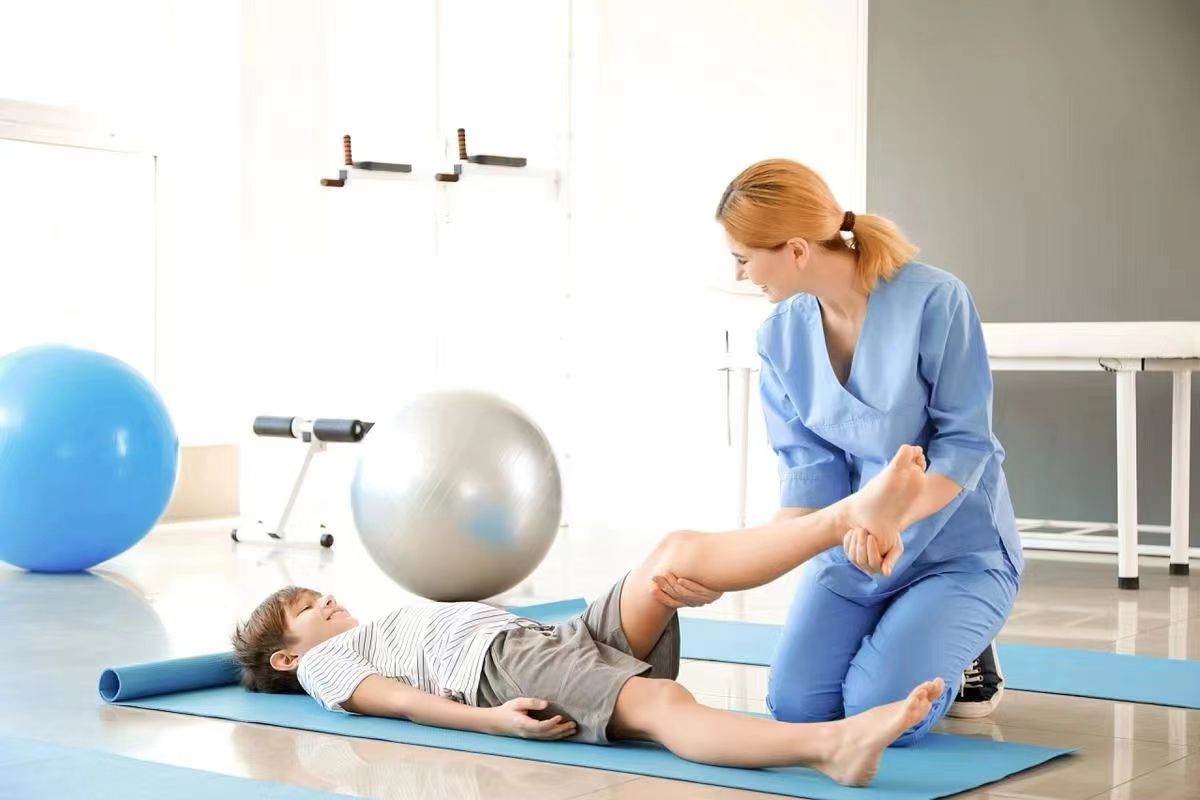
From Injury to Independence: How Advanced Leg Braces Transform Recovery
6. marras 2025 rehabifyPost-Surgical Recovery: Ideal for patients recovering from knee or ankle surgeries, it limits unwanted movement while allowing controlled, doctor-recommended motion.
-
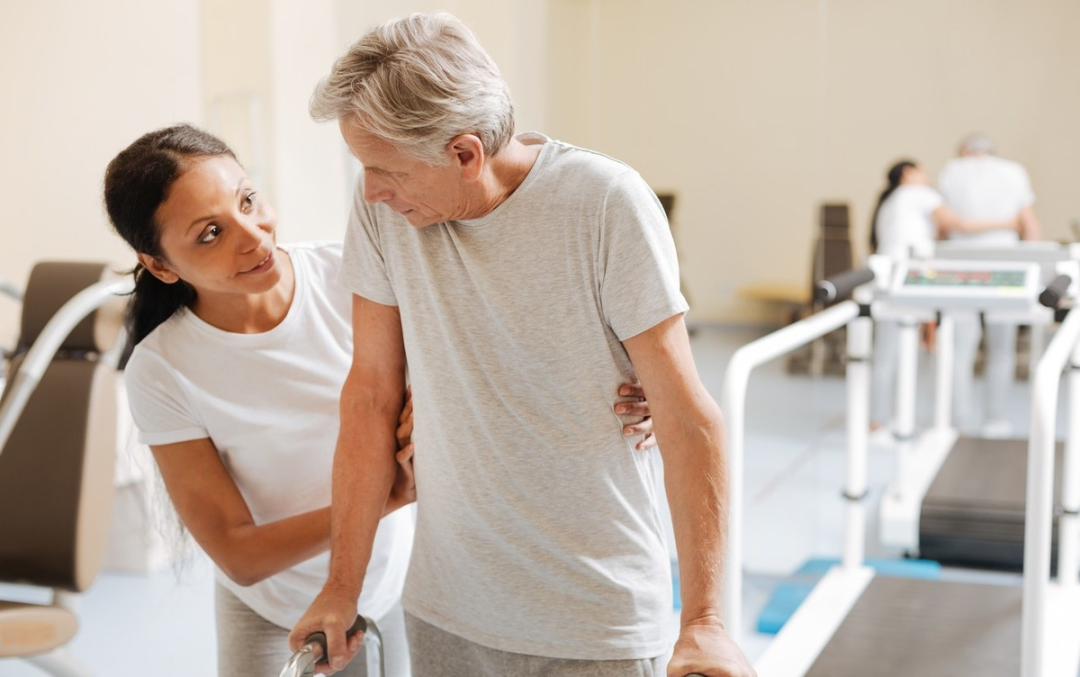
Foot and ankle rehabilitation training treadmill: A powerful tool for professional rehabilitation and enhancing athletic performance
12. elo 2025 rehabifyAnkle Foot Rehabilitation Trainers Pedal Machine Stroke Paralysis Fracture Post-Operation Rehabilitation Correction Device
FAQs
How to choose upper limb trainers (finger/elbow/wrist joint trainers) and should they be used in phases?
Choose based on the degree of joint mobility limitation; phased use delivers better results:
Initial stage (joint stiffness, weak muscle strength): Use finger separators + grip balls (prevent muscle atrophy); for elbows/wrists, use adjustable immobilization braces (passive flexion and extension to relieve stiffness).
Mid-stage (able to move independently within a small range): Switch to finger trainers with resistance levels; adjust resistance on elbow/wrist trainers for active exercises.
Late stage (muscle strength basically recovered): Increase training intensity, alternate between multiple resistance levels to enhance joint flexibility.
Reminder: For hemiplegia patients, use the unaffected hand to assist the affected side during training; move slowly.
Initial stage (joint stiffness, weak muscle strength): Use finger separators + grip balls (prevent muscle atrophy); for elbows/wrists, use adjustable immobilization braces (passive flexion and extension to relieve stiffness).
Mid-stage (able to move independently within a small range): Switch to finger trainers with resistance levels; adjust resistance on elbow/wrist trainers for active exercises.
Late stage (muscle strength basically recovered): Increase training intensity, alternate between multiple resistance levels to enhance joint flexibility.
Reminder: For hemiplegia patients, use the unaffected hand to assist the affected side during training; move slowly.
How to combine foot drop orthoses, ankle trainers and walking aids?
These three products target different needs; combined use accelerates gait recovery:
Foot drop orthoses: Wear daily when walking to stabilize the ankle joint, prevent toe dragging and ensure walking safety.
Ankle trainers: Only for rehabilitation training; adjust resistance to practice ankle flexion and extension while sitting to strengthen calf muscle strength.
Walking aids: Use with orthoses. Choose wheeled models at the initial stage (reduce burden); switch to non-wheeled models as muscle strength improves (train supporting capacity).
Can electrical stimulation massagers relieve muscle spasticity caused by hemiplegia? Are there any contraindications?
Yes. They relax tight muscles and awaken neuromuscular sensation through low-frequency electrical stimulation.
Usage: Apply electrodes to the forearm/biceps for upper limbs, and to the back of the calf/front of the thigh for lower limbs; select the soothing mode with intensity set to a slight tremor without tingling, 15-20 minutes each time.
Contraindications: Prohibited for people with cardiac pacemakers or metal implants in the body; use with caution for those with skin damage, pregnant women and epilepsy patients.
Usage: Apply electrodes to the forearm/biceps for upper limbs, and to the back of the calf/front of the thigh for lower limbs; select the soothing mode with intensity set to a slight tremor without tingling, 15-20 minutes each time.
Contraindications: Prohibited for people with cardiac pacemakers or metal implants in the body; use with caution for those with skin damage, pregnant women and epilepsy patients.
Who are bed rails and turning pads suitable for? How to choose safe products?
Designed specifically for bedridden people. Focus on these 3 points when purchasing:
Product Suitable for Key Selection Criteria
Bed Rails Hemiplegia patients, post-operative patients, elderly with difficulty getting up Height-adjustable, non-slip base, load capacity ≥ 100kg
Assistive Turning Pads Long-term bedridden people, those at high risk of pressure ulcers Breathable sponge/silicone material, waterproof & stain-resistant, thickness 10-15cm
Tip: Assist bedridden patients to turn over 2-3 times a day with turning pads, and practice sitting up with bed rails.
Product Suitable for Key Selection Criteria
Bed Rails Hemiplegia patients, post-operative patients, elderly with difficulty getting up Height-adjustable, non-slip base, load capacity ≥ 100kg
Assistive Turning Pads Long-term bedridden people, those at high risk of pressure ulcers Breathable sponge/silicone material, waterproof & stain-resistant, thickness 10-15cm
Tip: Assist bedridden patients to turn over 2-3 times a day with turning pads, and practice sitting up with bed rails.
-4.png?w=2730&h=1535)