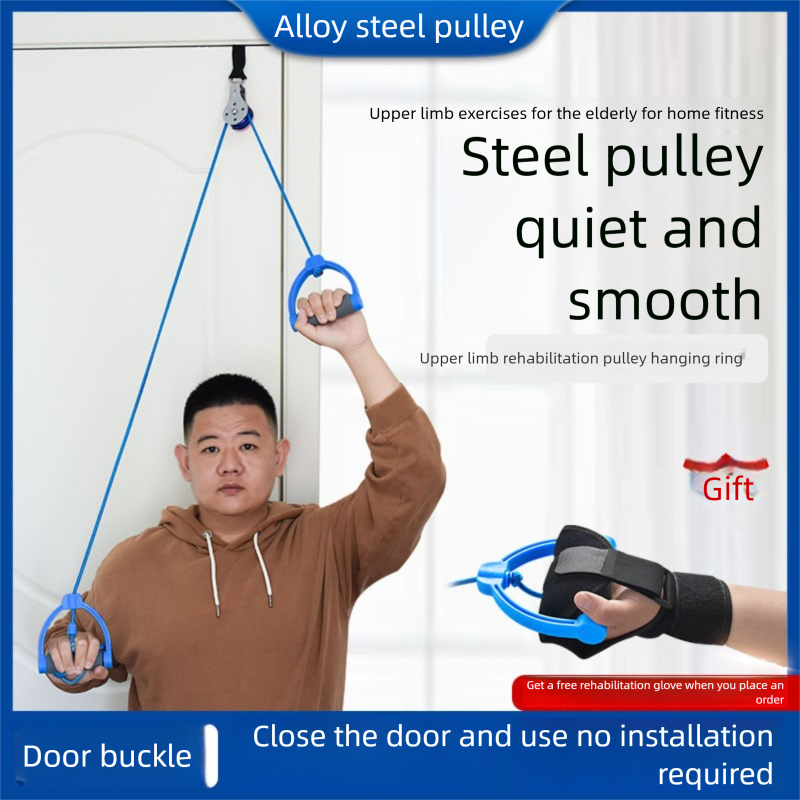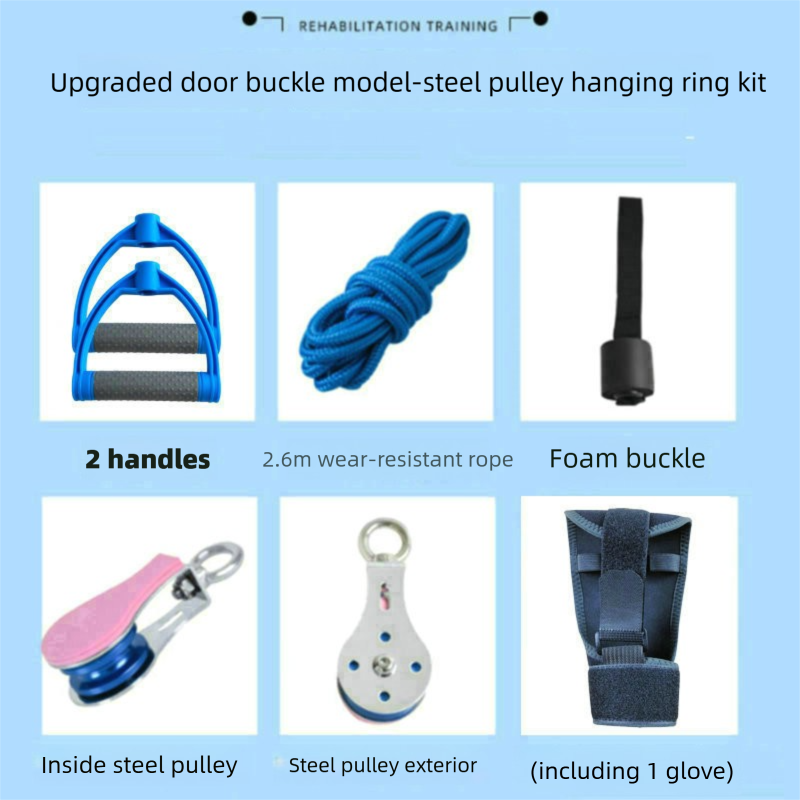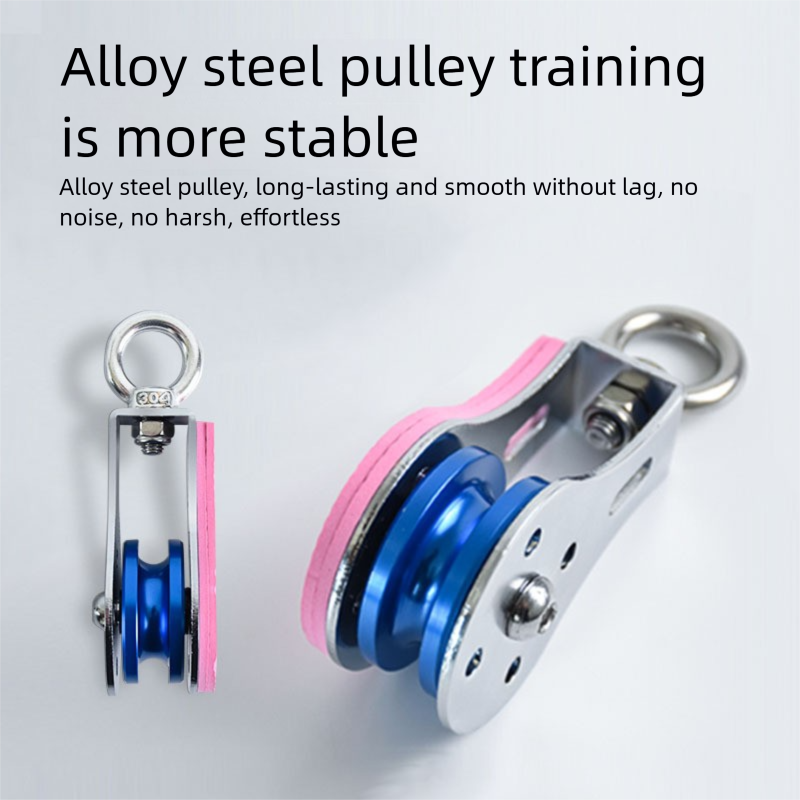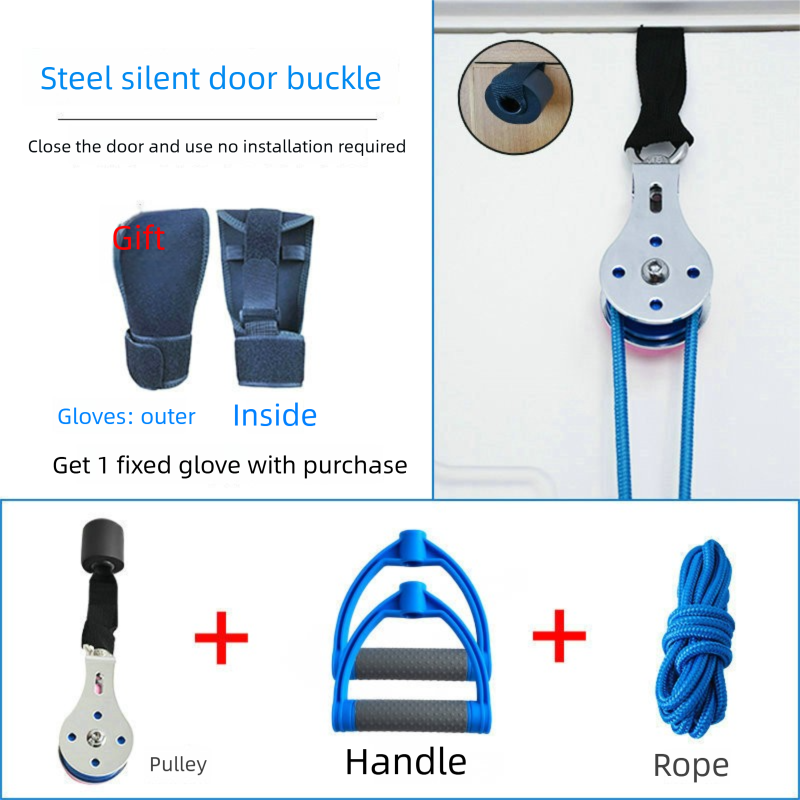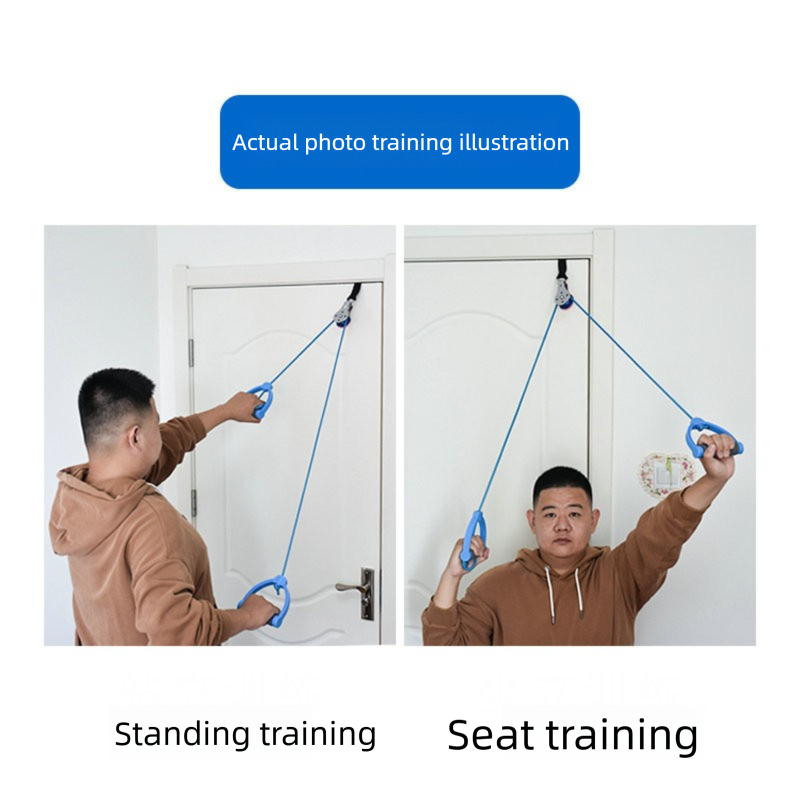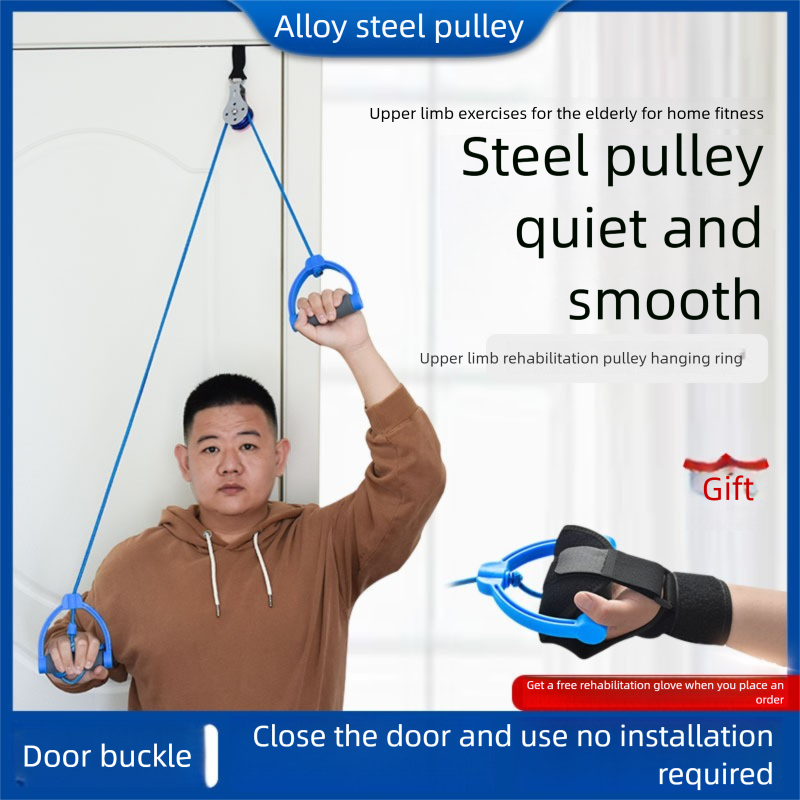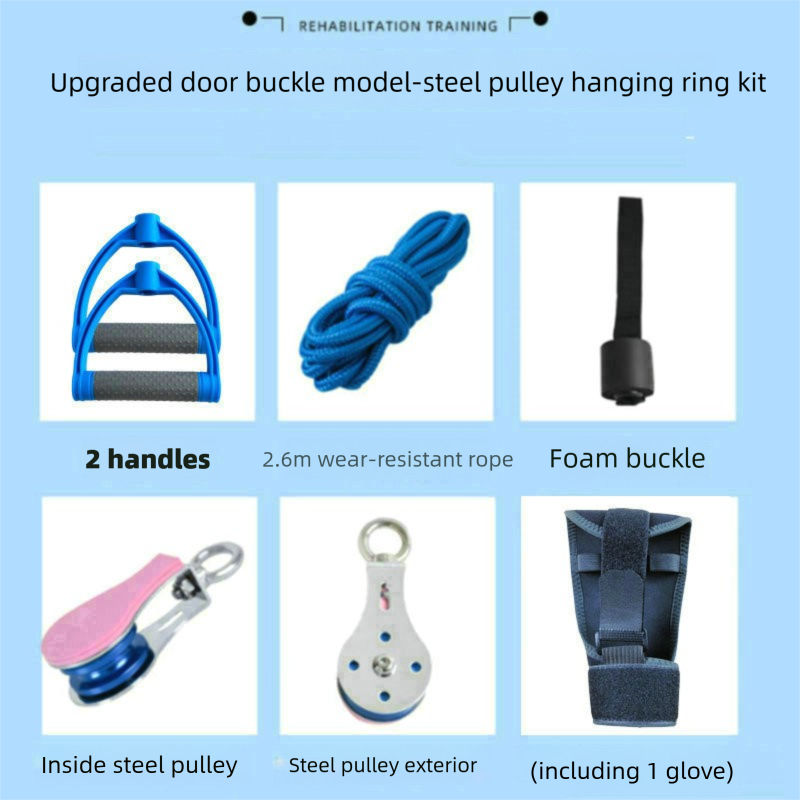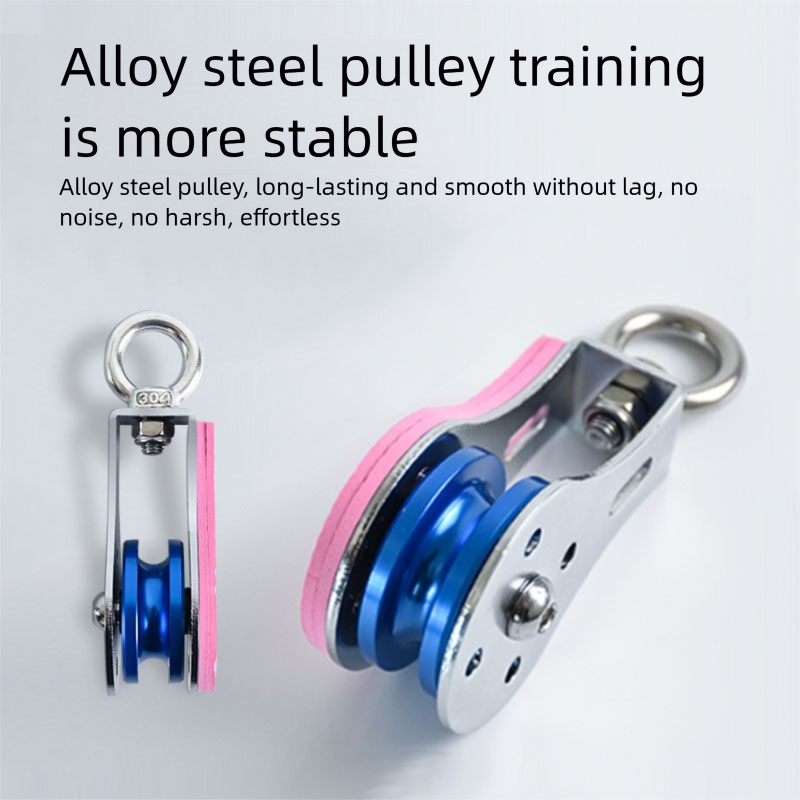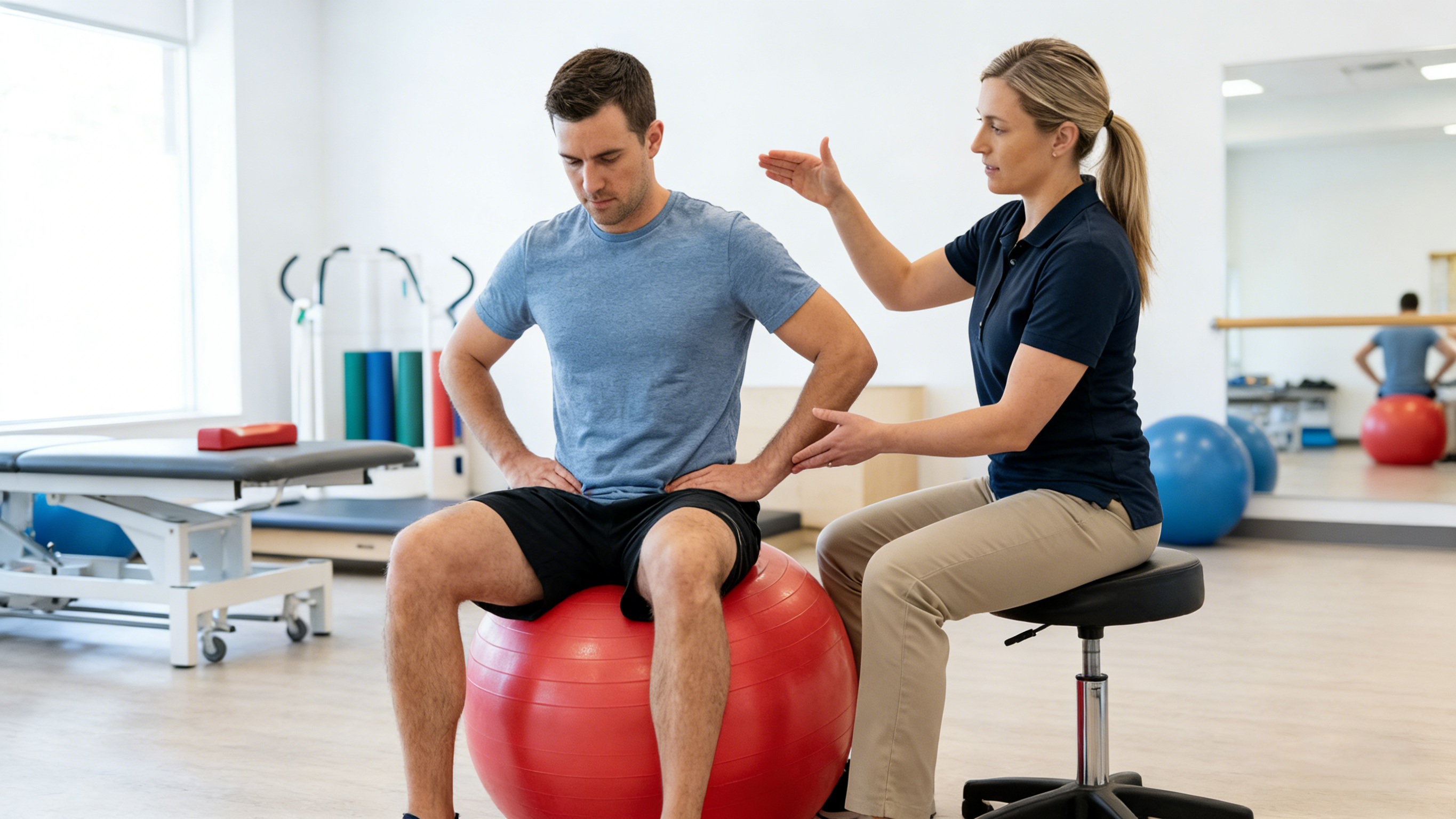

Stroke Hemiplegia Upper Limb Rehab Pulley
  • 也門(YER ﷼)
  • 土耳其(TRY ₤)
  • 土庫曼斯坦(TMT m)
  • 不丹(BTN Nu.)
  • 中非共和國(XAF ₣)
  • 中國(CNY ¥)
  • 丹麥(DKK kr)
  • 厄瓜多爾(USD $)
  • 厄立特里亞(ERN Nfk)
  • 巴巴多斯島(BBD BBD)
  • 巴布亞新幾內亞(PGK K)
  • 巴西(USD $)
  • 巴拉圭(PYG ₲)
  • 巴林(BHD .د.ب)
  • 巴哈馬(BSD BSD)
  • 巴拿馬(USD $)
  • 巴勒斯坦(ILS ₪)
  • 巴基斯坦(PKR ₨)
  • 文萊(BND B$)
  • 日本(JPY ¥)
  • 比利時(EUR €)
  • 毛里求斯(MUR ₨)
  • 毛里塔尼亞(USD $)
  • 牙買加(JMD $)
  • 乍得(XAF ₣)
  • 以色列(ILS ₪)
  • 加拿大(CAD $)
  • 加納(GHS ₵)
  • 加蓬(XOF Fr)
  • 北馬里亞納群島(USD $)
  • 卡塔爾(QAR ر.ق)
  • 台灣(TWD NT$)
  • 尼日利亞(NGN ₦)
  • 尼日爾(XOF Fr)
  • 尼加拉瓜(NIO C$)
  • 尼泊爾(NPR ₨)
  • 布韋島(USD $)
  • 布基納法索(XOF Fr)
  • 布隆迪(BIF ₣)
  • 瓜德羅普(EUR €)
  • 瓦利斯和福圖納(XPF ₣)
  • 瓦努阿圖(VUV Vt)
  • 白俄羅斯(USD $)
  • 皮特凱恩(NZD $)
  • 立陶宛(EUR €)
  • 伊拉克(USD $)
  • 冰島(ISK Kr)
  • 列支敦士登(CHF ₣)
  • 匈牙利(HUF Ft)
  • 印度(INR ₹)
  • 印度尼西亞(IDR Rp)
  • 危地馬拉(GTQ Q)
  • 吉布提(DJF ₣)
  • 吉爾吉斯斯坦(KGS С̲)
  • 圭亞那(GYD $)
  • 多米尼加(XCD $)
  • 多米尼加共和國(DOP $)
  • 多哥(XOF Fr)
  • 安圭拉(XCD $)
  • 安哥拉(USD $)
  • 安提瓜島和巴布達(XCD $)
  • 安道爾(EUR €)
  • 托克勞(NZD $)
  • 百慕大(BMD BD$)
  • 老撾(LAK ₭)
  • 西班牙(EUR €)
  • 西撒哈拉(MAD د.م.)
  • 佛得角(CVE $)
  • 伯利茲(BZD Be)
  • 克羅地亞(EUR €)
  • 利比里亞(USD $)
  • 利比亞(USD $)
  • 希臘(EUR €)
  • 沙特阿拉伯(SAR ر.س)
  • 貝寧(XOF Fr)
  • 赤道幾內亞(XAF ₣)
  • 亞美尼亞(AMD Դ)
  • 坦桑尼亞(TZS Sh)
  • 委內瑞拉(USD $)
  • 孟加拉(BDT ৳)
  • 岡比亞(GMD D)
  • 帕勞群島(USD $)
  • 所羅門群島(SBD Si$)
  • 拉脫維亞(EUR €)
  • 東帝汶(USD $)
  • 波多黎各(USD $)
  • 波斯尼亞和黑塞哥維那(BAM КМ)
  • 波蘭(PLN zł)
  • 法國(EUR €)
  • 法羅群島(DKK kr)
  • 法屬圭亞那(EUR €)
  • 法屬波利尼西亞(XPF ₣)
  • 法屬南部領地(EUR €)
  • 直布羅陀(GBP £)
  • 肯尼亞(KES Sh)
  • 芬蘭(EUR €)
  • 阿拉伯聯合酋長國(AED د.إ)
  • 阿根廷(USD $)
  • 阿曼(OMR ر.ع.)
  • 阿富汗(AFN Af)
  • 阿森松島(SHP £)
  • 阿塞拜疆(AZN ман)
  • 阿爾及利亞(DZD د.ج)
  • 阿爾巴尼亞(ALL L)
  • 阿魯巴(AWG ƒ)
  • 保加利亞(BGN лв)
  • 俄羅斯(USD $)
  • 南非(USD $)
  • 南喬治亞和南桑威奇群島(GBP £)
  • 南極洲(USD $)
  • 哈薩克斯坦(KZT 〒)
  • 柬埔寨(KHR ៛)
  • 洪都拉斯(HNL L)
  • 津巴布韋(USD $)
  • 玻利維亞(BOB Bs.)
  • 科威特(KWD دينار)
  • 科科斯群島(AUD AU$)
  • 科特迪瓦(XOF Fr)
  • 科摩羅(KMF Fr)
  • 突尼斯(USD $)
  • 約旦(USD $)
  • 美國(USD $)
  • 美屬外島(USD $)
  • 美屬薩摩亞(USD $)
  • 英國(GBP £)
  • 英屬印度洋領地(USD $)
  • 香港特別行政區(TRY ₤)
  • 剛果(XAF ₣)
  • 剛果民主共和國(CDF ₣)
  • 哥倫比亞(USD $)
  • 哥斯達黎加(CRC ₡)
  • 埃及(EGP E£)
  • 埃塞俄比亞(ETB Br)
  • 庫克群島(NZD $)
  • 挪威(USD $)
  • 格林納達(XCD $)
  • 格恩西島(GBP £)
  • 格陵蘭(DKK kr)
  • 泰國(THB ฿)
  • 海地(USD $)
  • 烏干達(UGX Sh)
  • 烏克蘭(UAH ₴)
  • 烏拉圭(UYU $)
  • 烏茲別克斯坦(UZS лв)
  • 特立尼達和多巴哥(TTD TTD)
  • 特克斯和凱科斯群島(USD $)
  • 特里斯坦-達庫尼亞(GBP £)
  • 留尼旺島(EUR €)
  • 秘魯(PEN S/)
  • 索馬里(SOS Sh)
  • 紐埃(NZD $)
  • 納米比亞(USD $)
  • 馬耳他(EUR €)
  • 馬里(XOF Fr)
  • 馬來西亞(MYR RM)
  • 馬其頓(MKD ден)
  • 馬拉維(MWK MK)
  • 馬約特島(EUR €)
  • 馬紹爾群島(USD $)
  • 馬提尼克(EUR €)
  • 馬達加斯加(USD $)
  • 馬爾代夫(MVR ރ.)
  • 曼島(GBP £)
  • 基里巴斯(AUD AU$)
  • 密克羅尼西亞(USD $)
  • 捷克共和國(CZK Kč)
  • 梵蒂岡(EUR €)
  • 莫桑比克(USD $)
  • 荷屬安地列斯(USD $)
  • 荷蘭(EUR €)
  • 博茨瓦納(BWP P)
  • 喀麥隆(XAF ₣)
  • 喬治亞(USD $)
  • 幾內亞(GNF ₣)
  • 幾內亞比紹(XOF Fr)
  • 斐濟(FJD FJ$)
  • 斯瓦爾巴和揚馬廷(USD $)
  • 斯里蘭卡(LKR Rs)
  • 斯威士蘭(USD $)
  • 斯洛文尼亞(EUR €)
  • 斯洛伐克(EUR €)
  • 智利(USD $)
  • 湯加(TOP T$)
  • 萊索托(USD $)
  • 菲律賓(PHP ₱)
  • 越南(VND ₫)
  • 開曼群島(KYD $)
  • 黑山(EUR €)
  • 塞內加爾(XOF Fr)
  • 塞舌爾(USD $)
  • 塞拉利昂(SLL Le)
  • 塞浦路斯(EUR €)
  • 塞爾維亞(RSD din)
  • 塔吉克斯坦(TJS ЅМ)
  • 奧地利(EUR €)
  • 奧蘭群島(EUR €)
  • 意大利(EUR €)
  • 愛沙尼亞(EUR €)
  • 愛爾蘭(EUR €)
  • 新加坡(SGD S$)
  • 新西蘭(NZD $)
  • 新喀裡多尼亞(XPF ₣)
  • 瑞士(CHF ₣)
  • 瑞典(SEK kr)
  • 瑙魯(AUD AU$)
  • 聖文森特和格林納丁斯(XCD $)
  • 聖皮埃爾和米克隆群島(EUR €)
  • 聖多美和普林西比(USD $)
  • 聖馬丁(EUR €)
  • 聖馬力諾(EUR €)
  • 聖基茨和尼維斯(XCD $)
  • 聖赫勒拿(SHP £)
  • 聖誕島(AUD AU$)
  • 聖盧西亞(XCD $)
  • 葡萄牙(EUR €)
  • 圖瓦盧(AUD AU$)
  • 福克蘭群島(FKP FKP)
  • 維爾京群島,美屬(USD $)
  • 維爾京群島,英屬(USD $)
  • 蒙古(MNT ₮)
  • 蒙特塞拉特(XCD $)
  • 赫德和麥克唐納群島(AUD AU$)
  • 德國(EUR €)
  • 摩洛哥(MAD د.م.)
  • 摩納哥(EUR €)
  • 摩爾多瓦(MDL L)
  • 緬甸(MMK K)
  • 黎巴嫩(LBP ل.ل)
  • 墨西哥(USD $)
  • 澤西島(GBP £)
  • 澳大利亞(AUD AU$)
  • 澳門特別行政區(MOP P)
  • 盧旺達(RWF ₣)
  • 盧森堡(EUR €)
  • 諾福克(AUD AU$)
  • 韓國(KRW ₩)
  • 薩爾瓦多(USD $)
  • 薩摩亞(WST T)
  • 羅馬尼亞(RON L)
  • 贊比亞(USD $)
  • 關島(USD $)
  • 蘇丹(SDG ج.س.)
  • 蘇里南(USD $)
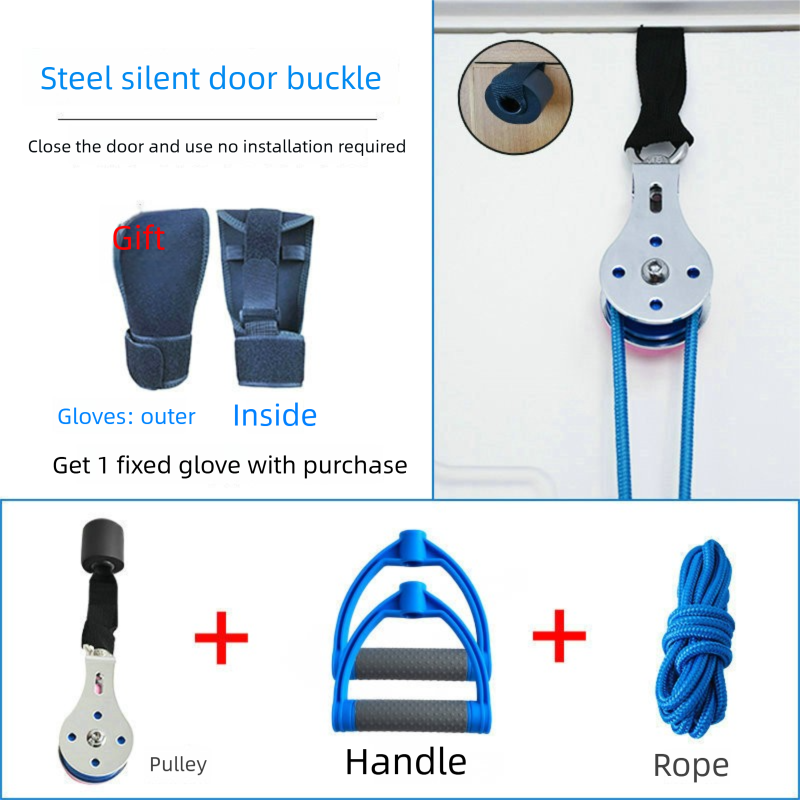
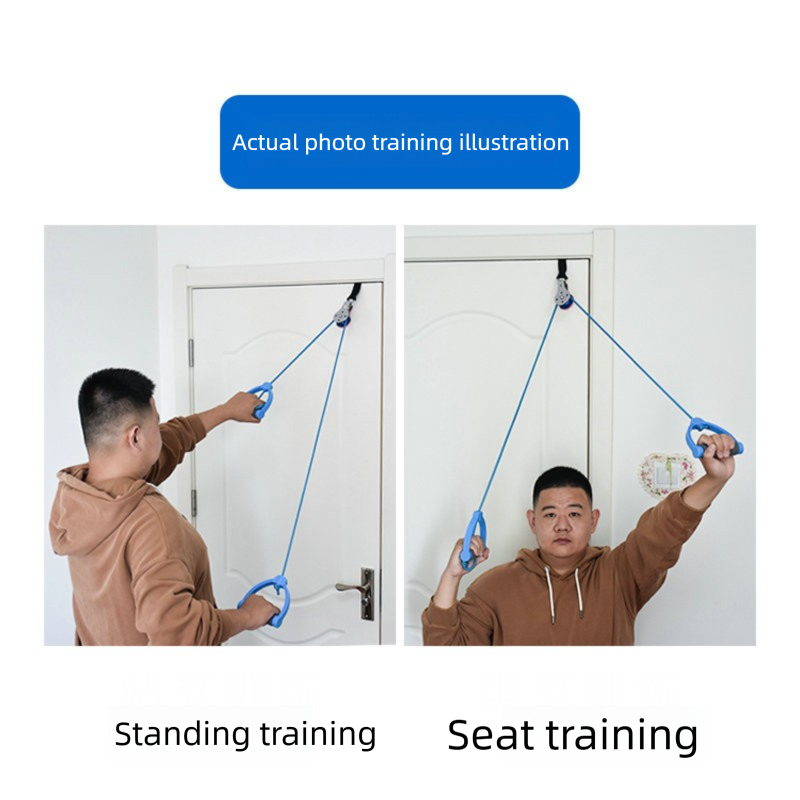
Rehabilitation training device for hemiplegic upper limbs after stroke

Stroke Hemiplegia Upper Limb Rehab Pulley

A medical rehabilitation device designed for patients who have suffered hemiplegia after a stroke to restore the function and motor control of the upper limbs (arms, hands).
$68.00 USD $0.00 USD

🟢 Product parameters

Applicable scenarios Fitness equipment Specification Silent door deduction
Weight (g) 500    

🟢 Main features and functions

  • Passive training mode: For patients with no active movement ability at all, the affected limb is driven by an electric motor or mechanical structure to perform regular, full-joint range reciprocating movements to prevent muscle atrophy and joint contracture.
  • Active assistance training mode: When a patient experiences weak muscle strength, the device detects the patient's movement intention through sensors, provides assistance, and "rewards" any minor active effort, greatly enhancing the confidence in recovery.
  • Active resistance training mode: For patients with a certain degree of active movement ability, the equipment provides adjustable resistance for strength strengthening training.
  • Task-oriented and gamification: Modern devices often integrate software systems, which increase the fun and engagement of training by simulating real-life tasks (such as window cleaning and balloon popping) or interactive games. This is the key to improving rehabilitation effects.
  • Data monitoring and feedback: Record data such as training time, joint range of motion, force application intensity, and number of completions to provide objective assessment of rehabilitation progress for therapists and patients.
  • Safety design: Equipped with safety mechanisms such as emergency stop, movement range limit, and overload protection, it is suitable for possible conditions such as convulsions and sensory dullness in patients.

🟢 Core advantage

  • Scientifically effective: Based on modern rehabilitation medicine theories (such as compulsory use therapy and task-oriented training), the training efficiency is much higher than that of unguided autonomous activities.
  • Motivation-driven: Gamification and immediate feedback mechanisms can significantly enhance patients' compliance and overcome the boredom and frustration during the rehabilitation process.
  • Reduce the burden on therapists: Under the guidance of therapists, patients can carry out some self-training to improve the rehabilitation efficiency per unit time.
  • Feasibility of home rehabilitation: Extending high-intensity repetitive training from hospitals to homes is the key to continuous rehabilitation.

⚠Precautions and limitations

  • Non-substitutability: It cannot completely replace the assessment of professional rehabilitation therapists and one-on-one manual therapy. It is the best auxiliary tool.
  • Individual differences: The therapist must select the most suitable equipment and plan based on the patient's specific stage, degree of spasm, and cognitive status.
  • Cost issue: High-tech products are expensive, and economic affordability and medical insurance policies need to be taken into consideration.
  • Learning curve: Some products are complex to operate and require patients or their families to learn how to use them.

🟢 Summary

The hemiplegic upper limb rehabilitation trainer for stroke is a specialized tool in the field of neurorehabilitation. Its value lies in transforming scientific rehabilitation principles into quantifiable, sustainable and attractive daily training. The key to success lies in close cooperation with professional medical personnel, achieving a closed loop of "assessment - training - re-assessment", and ultimately helping patients regain upper limb function to the greatest extent and improve their quality of life.