Ankle Stretch & Foot Correction Board
  • 也門(YER ﷼)
  • 土耳其(TRY ₤)
  • 土庫曼斯坦(TMT m)
  • 不丹(BTN Nu.)
  • 中非共和國(XAF ₣)
  • 中國(CNY ¥)
  • 丹麥(DKK kr)
  • 厄瓜多爾(USD $)
  • 厄立特里亞(ERN Nfk)
  • 巴巴多斯島(BBD BBD)
  • 巴布亞新幾內亞(PGK K)
  • 巴西(USD $)
  • 巴拉圭(PYG ₲)
  • 巴林(BHD .د.ب)
  • 巴哈馬(BSD BSD)
  • 巴拿馬(USD $)
  • 巴勒斯坦(ILS ₪)
  • 巴基斯坦(PKR ₨)
  • 文萊(BND B$)
  • 日本(JPY ¥)
  • 比利時(EUR €)
  • 毛里求斯(MUR ₨)
  • 毛里塔尼亞(USD $)
  • 牙買加(JMD $)
  • 乍得(XAF ₣)
  • 以色列(ILS ₪)
  • 加拿大(CAD $)
  • 加納(GHS ₵)
  • 加蓬(XOF Fr)
  • 北馬里亞納群島(USD $)
  • 卡塔爾(QAR ر.ق)
  • 台灣(TWD NT$)
  • 尼日利亞(NGN ₦)
  • 尼日爾(XOF Fr)
  • 尼加拉瓜(NIO C$)
  • 尼泊爾(NPR ₨)
  • 布韋島(USD $)
  • 布基納法索(XOF Fr)
  • 布隆迪(BIF ₣)
  • 瓜德羅普(EUR €)
  • 瓦利斯和福圖納(XPF ₣)
  • 瓦努阿圖(VUV Vt)
  • 白俄羅斯(USD $)
  • 皮特凱恩(NZD $)
  • 立陶宛(EUR €)
  • 伊拉克(USD $)
  • 冰島(ISK Kr)
  • 列支敦士登(CHF ₣)
  • 匈牙利(HUF Ft)
  • 印度(INR ₹)
  • 印度尼西亞(IDR Rp)
  • 危地馬拉(GTQ Q)
  • 吉布提(DJF ₣)
  • 吉爾吉斯斯坦(KGS С̲)
  • 圭亞那(GYD $)
  • 多米尼加(XCD $)
  • 多米尼加共和國(DOP $)
  • 多哥(XOF Fr)
  • 安圭拉(XCD $)
  • 安哥拉(USD $)
  • 安提瓜島和巴布達(XCD $)
  • 安道爾(EUR €)
  • 托克勞(NZD $)
  • 百慕大(BMD BD$)
  • 老撾(LAK ₭)
  • 西班牙(EUR €)
  • 西撒哈拉(MAD د.م.)
  • 佛得角(CVE $)
  • 伯利茲(BZD Be)
  • 克羅地亞(EUR €)
  • 利比里亞(USD $)
  • 利比亞(USD $)
  • 希臘(EUR €)
  • 沙特阿拉伯(SAR ر.س)
  • 貝寧(XOF Fr)
  • 赤道幾內亞(XAF ₣)
  • 亞美尼亞(AMD Դ)
  • 坦桑尼亞(TZS Sh)
  • 委內瑞拉(USD $)
  • 孟加拉(BDT ৳)
  • 岡比亞(GMD D)
  • 帕勞群島(USD $)
  • 所羅門群島(SBD Si$)
  • 拉脫維亞(EUR €)
  • 東帝汶(USD $)
  • 波多黎各(USD $)
  • 波斯尼亞和黑塞哥維那(BAM КМ)
  • 波蘭(PLN zł)
  • 法國(EUR €)
  • 法羅群島(DKK kr)
  • 法屬圭亞那(EUR €)
  • 法屬波利尼西亞(XPF ₣)
  • 法屬南部領地(EUR €)
  • 直布羅陀(GBP £)
  • 肯尼亞(KES Sh)
  • 芬蘭(EUR €)
  • 阿拉伯聯合酋長國(AED د.إ)
  • 阿根廷(USD $)
  • 阿曼(OMR ر.ع.)
  • 阿富汗(AFN Af)
  • 阿森松島(SHP £)
  • 阿塞拜疆(AZN ман)
  • 阿爾及利亞(DZD د.ج)
  • 阿爾巴尼亞(ALL L)
  • 阿魯巴(AWG ƒ)
  • 保加利亞(BGN лв)
  • 俄羅斯(USD $)
  • 南非(USD $)
  • 南喬治亞和南桑威奇群島(GBP £)
  • 南極洲(USD $)
  • 哈薩克斯坦(KZT 〒)
  • 柬埔寨(KHR ៛)
  • 洪都拉斯(HNL L)
  • 津巴布韋(USD $)
  • 玻利維亞(BOB Bs.)
  • 科威特(KWD دينار)
  • 科科斯群島(AUD AU$)
  • 科特迪瓦(XOF Fr)
  • 科摩羅(KMF Fr)
  • 突尼斯(USD $)
  • 約旦(USD $)
  • 美國(USD $)
  • 美屬外島(USD $)
  • 美屬薩摩亞(USD $)
  • 英國(GBP £)
  • 英屬印度洋領地(USD $)
  • 香港特別行政區(TRY ₤)
  • 剛果(XAF ₣)
  • 剛果民主共和國(CDF ₣)
  • 哥倫比亞(USD $)
  • 哥斯達黎加(CRC ₡)
  • 埃及(EGP E£)
  • 埃塞俄比亞(ETB Br)
  • 庫克群島(NZD $)
  • 挪威(USD $)
  • 格林納達(XCD $)
  • 格恩西島(GBP £)
  • 格陵蘭(DKK kr)
  • 泰國(THB ฿)
  • 海地(USD $)
  • 烏干達(UGX Sh)
  • 烏克蘭(UAH ₴)
  • 烏拉圭(UYU $)
  • 烏茲別克斯坦(UZS лв)
  • 特立尼達和多巴哥(TTD TTD)
  • 特克斯和凱科斯群島(USD $)
  • 特里斯坦-達庫尼亞(GBP £)
  • 留尼旺島(EUR €)
  • 秘魯(PEN S/)
  • 索馬里(SOS Sh)
  • 紐埃(NZD $)
  • 納米比亞(USD $)
  • 馬耳他(EUR €)
  • 馬里(XOF Fr)
  • 馬來西亞(MYR RM)
  • 馬其頓(MKD ден)
  • 馬拉維(MWK MK)
  • 馬約特島(EUR €)
  • 馬紹爾群島(USD $)
  • 馬提尼克(EUR €)
  • 馬達加斯加(USD $)
  • 馬爾代夫(MVR ރ.)
  • 曼島(GBP £)
  • 基里巴斯(AUD AU$)
  • 密克羅尼西亞(USD $)
  • 捷克共和國(CZK Kč)
  • 梵蒂岡(EUR €)
  • 莫桑比克(USD $)
  • 荷屬安地列斯(USD $)
  • 荷蘭(EUR €)
  • 博茨瓦納(BWP P)
  • 喀麥隆(XAF ₣)
  • 喬治亞(USD $)
  • 幾內亞(GNF ₣)
  • 幾內亞比紹(XOF Fr)
  • 斐濟(FJD FJ$)
  • 斯瓦爾巴和揚馬廷(USD $)
  • 斯里蘭卡(LKR Rs)
  • 斯威士蘭(USD $)
  • 斯洛文尼亞(EUR €)
  • 斯洛伐克(EUR €)
  • 智利(USD $)
  • 湯加(TOP T$)
  • 萊索托(USD $)
  • 菲律賓(PHP ₱)
  • 越南(VND ₫)
  • 開曼群島(KYD $)
  • 黑山(EUR €)
  • 塞內加爾(XOF Fr)
  • 塞舌爾(USD $)
  • 塞拉利昂(SLL Le)
  • 塞浦路斯(EUR €)
  • 塞爾維亞(RSD din)
  • 塔吉克斯坦(TJS ЅМ)
  • 奧地利(EUR €)
  • 奧蘭群島(EUR €)
  • 意大利(EUR €)
  • 愛沙尼亞(EUR €)
  • 愛爾蘭(EUR €)
  • 新加坡(SGD S$)
  • 新西蘭(NZD $)
  • 新喀裡多尼亞(XPF ₣)
  • 瑞士(CHF ₣)
  • 瑞典(SEK kr)
  • 瑙魯(AUD AU$)
  • 聖文森特和格林納丁斯(XCD $)
  • 聖皮埃爾和米克隆群島(EUR €)
  • 聖多美和普林西比(USD $)
  • 聖馬丁(EUR €)
  • 聖馬力諾(EUR €)
  • 聖基茨和尼維斯(XCD $)
  • 聖赫勒拿(SHP £)
  • 聖誕島(AUD AU$)
  • 聖盧西亞(XCD $)
  • 葡萄牙(EUR €)
  • 圖瓦盧(AUD AU$)
  • 福克蘭群島(FKP FKP)
  • 維爾京群島,美屬(USD $)
  • 維爾京群島,英屬(USD $)
  • 蒙古(MNT ₮)
  • 蒙特塞拉特(XCD $)
  • 赫德和麥克唐納群島(AUD AU$)
  • 德國(EUR €)
  • 摩洛哥(MAD د.م.)
  • 摩納哥(EUR €)
  • 摩爾多瓦(MDL L)
  • 緬甸(MMK K)
  • 黎巴嫩(LBP ل.ل)
  • 墨西哥(USD $)
  • 澤西島(GBP £)
  • 澳大利亞(AUD AU$)
  • 澳門特別行政區(MOP P)
  • 盧旺達(RWF ₣)
  • 盧森堡(EUR €)
  • 諾福克(AUD AU$)
  • 韓國(KRW ₩)
  • 薩爾瓦多(USD $)
  • 薩摩亞(WST T)
  • 羅馬尼亞(RON L)
  • 贊比亞(USD $)
  • 關島(USD $)
  • 蘇丹(SDG ج.س.)
  • 蘇里南(USD $)
Foot inversion, foot inversion eight correction and rehabilitation, ankle joint stretching board

Ankle Stretch & Foot Correction Board

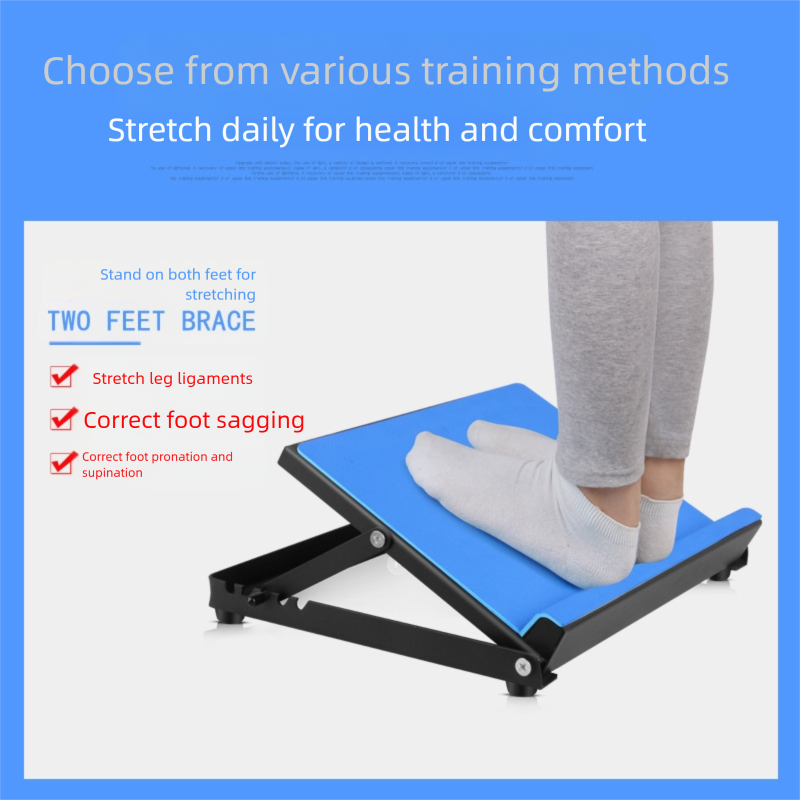
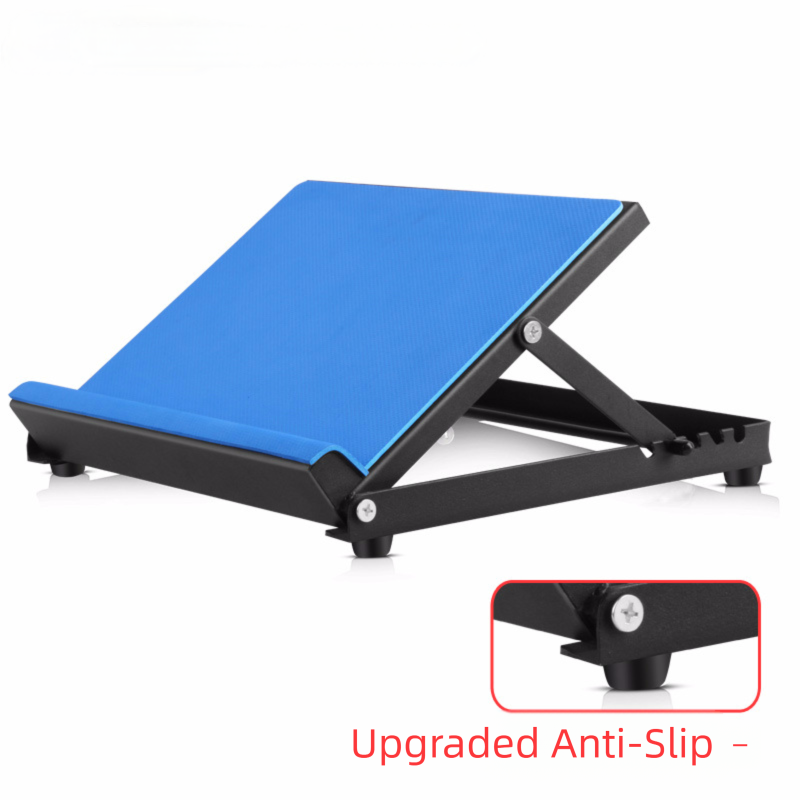
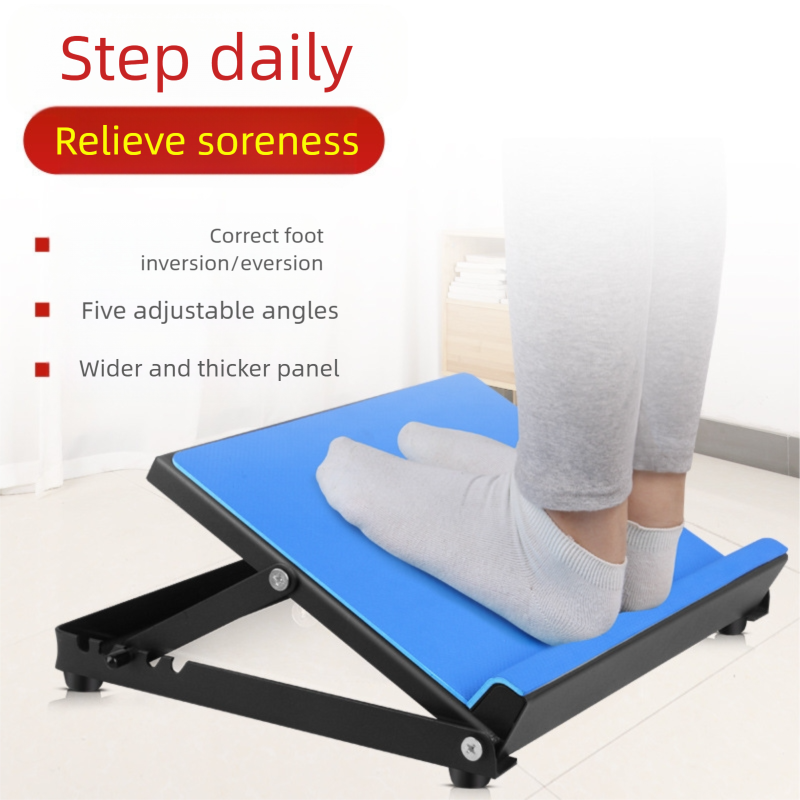
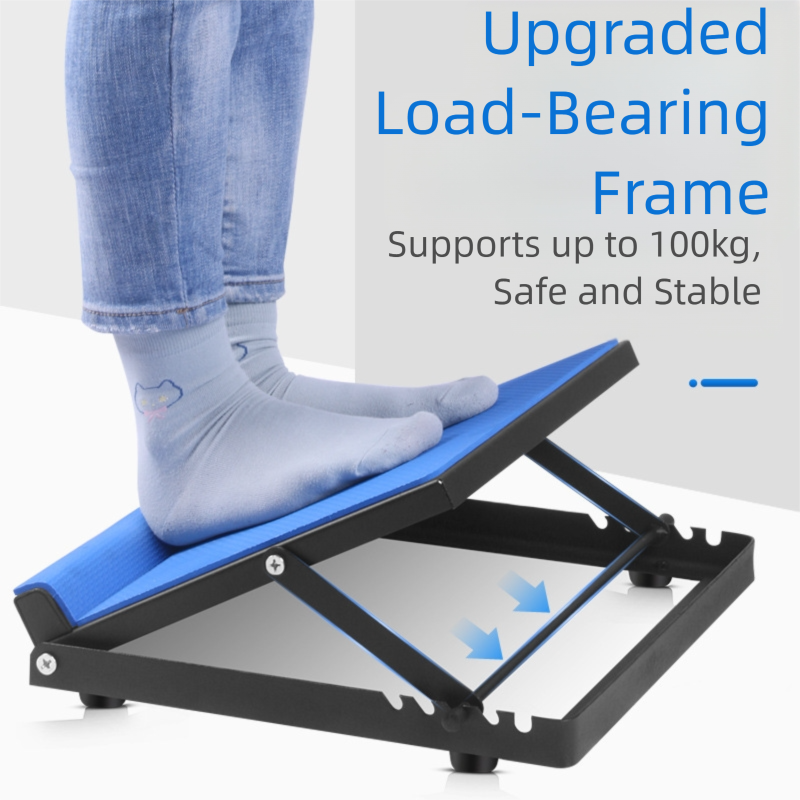
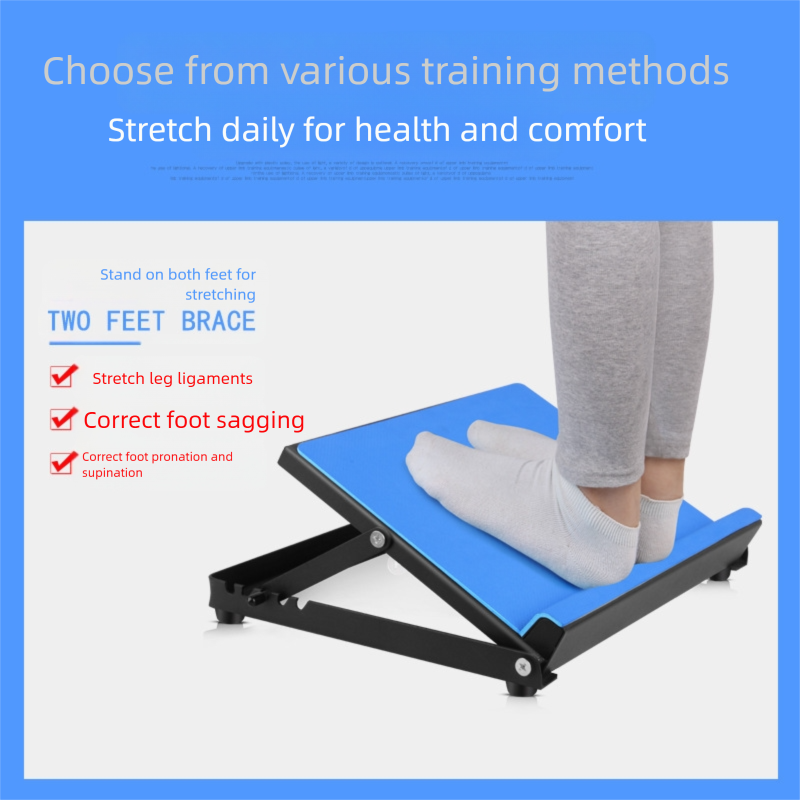
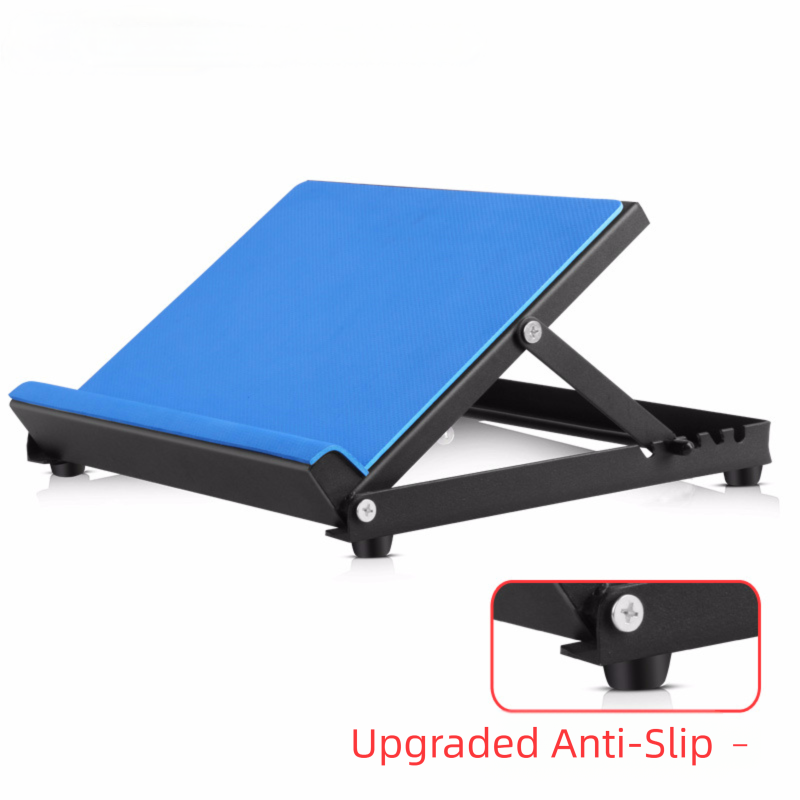
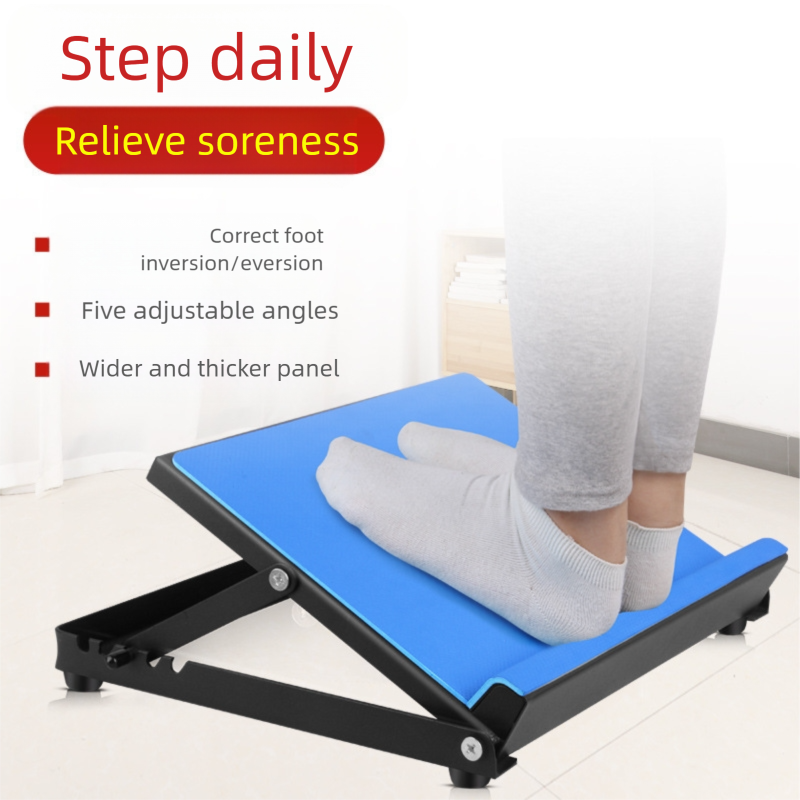
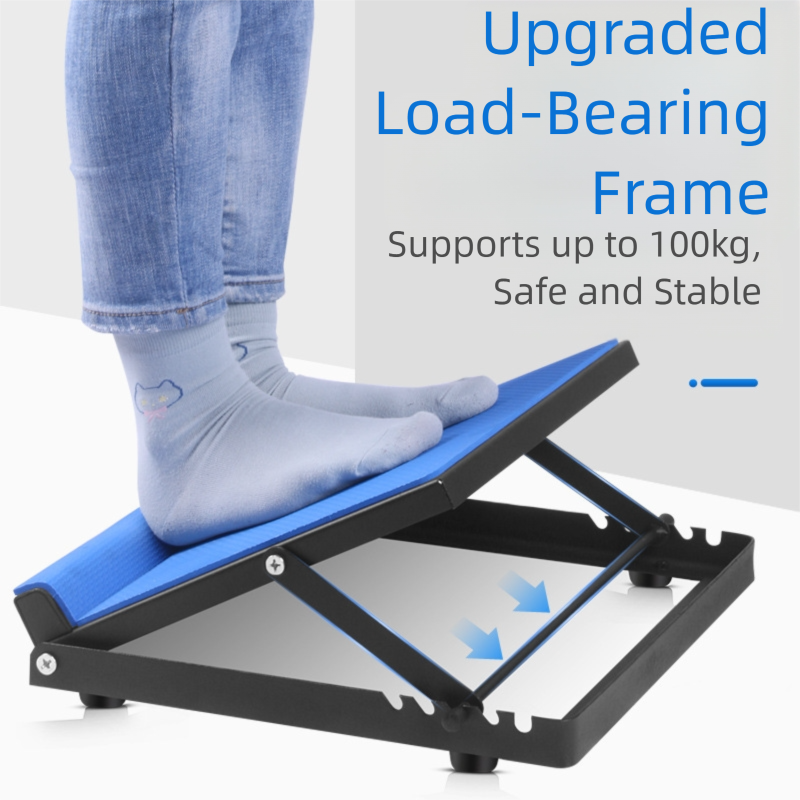
A device mainly used for correcting abnormal force lines in the feet and conducting ankle joint rehabilitation training. It is usually an inclined plate-shaped object with multiple gears or angles. By forcibly keeping the ankle at a specific Angle for stretching and weight-bearing training, it aims to achieve the purposes of correction, stretching, strengthening and rehabilitation.
$105.00 USD $0.00 USD

🟢 Product parameters

Applicable scenarios Fitness equipment, health care massage Material Stainless steel
Weight 4kg Specification Upgraded Version 18 - Blue

🟢 Main functions and claimed effects

Correct the force line of the foot:

  • Foot inversion/inward eight: By standing with an outward tilt, stretch and relax the tense tissues on the outer side, strengthen the inner muscle groups, and guide the foot to adjust towards a neutral position or a slightly outward inversion position.
  • Foot eversion/lateral eight: By standing with an inward tilt, stretch and relax the tense tissues on the inner side, strengthen the lateral muscle groups, and guide the foot to adjust towards a neutral position or a slight inward turn position.

Ankle rehabilitation:

  • Increase dorsiflexion range of motion: This is the most core function. By tilting at different angles, the gastrocnemius and soleus muscles at the back of the lower leg can be effectively stretched, improving the difficulty of hooking the toes caused by Achilles tendon contracture and ankle stiffness.
  • Increase plantar flexion range of motion: Some designs can also be used to stretch the tibialis anterior muscle.
  • Enhancing ankle stability: Standing on an unstable slope can activate and strengthen the stabilizing muscle groups around the ankle.
  • Relieve related pain: By improving the force line and increasing the range of motion, it is claimed to relieve problems such as plantar fasciitis, Achilles tendinitis, calf tension, and knee pain caused thereby.
  • Pre-exercise warm-up and post-exercise stretching: Used by athletes and fitness enthusiasts for deep stretching of the lower legs to enhance athletic performance and prevent injuries.

🟢 Common design types of products

  • Adjustable gear position type: The most common design. There are multiple slots on the board surface. Different tilt angles can be fixed by inserting pins to meet the progressive stretching requirements from beginner to advanced.
  • Arc-shaped surface type: An integrated arc-shaped plate. The tensile strength can be adjusted by moving the feet forward and backward. The operation is more continuous, but the strength control is not as precise as that of the gear type.
  • Left and right foot design: For the correction of varus and valgus, the board surface will have clear "L" and "R" markings to ensure that both feet use the correct tilt direction.
  • Material: Usually high-strength plastic or wood, with anti-slip patterns on the surface.

 ⚠Important Precautions and potential risks

  • The causes of varus or valgus of the foot are very complex and may originate from the foot itself, the ankle joint, rotation of the lower leg, or even the hip joint. It must be clearly diagnosed by a rehabilitation therapist, physical therapist or foot and ankle surgeon to determine whether this product is suitable. Blind use may aggravate the problem.
  • The correction plans for structural problems (such as skeletal deformities) and functional problems (muscle strength imbalance) are completely different. This product is mainly effective for the adjustment and auxiliary rehabilitation of functional problems.
  • Excessive stretching: Being overly eager for quick results and using an overly large Angle may lead to muscle and ligament strains.
  • Poor balance leading to falls: Especially for the elderly or patients with poor neural control ability, it should be used in an environment with handrails or against a wall.
  • Correcting the wrong direction: This is the greatest risk. If one cannot distinguish between inversion and inversion or uses the wrong direction, they will go in the opposite direction and aggravate the deformity.

🟢 Applicable population

  • Adults and adolescents who, after professional assessment, have functional foot inversion, foot eversion, or eight-legged inversion.
  • People with limited dorsiflexion range of motion of the ankle joint (difficulty in squatting, feeling the ankle joint stuck when going down stairs).
  • Runners and fitness enthusiasts with tense calf muscles who need deep stretching.
  • Patients with plantar fasciitis and Achilles tendinitis (should be used as rehabilitation AIDS under the guidance of a doctor).

🟢 Summary

The valgus and varus correction stretching board is a ingeniously designed and functionally clear tool that has potential benefits for improving ankle flexibility and assisting in the correction of functional foot problems. However, it is highly professional and by no means an ordinary fitness equipment that can be simply bought and used. The greatest risk lies in misuse. The primary prerequisite for successful application is a clear medical diagnosis and professional guidance, which should be regarded as part of a comprehensive rehabilitation plan rather than the sole solution.