 Marie Claire.and 34,342 Customers trust rehabify™.
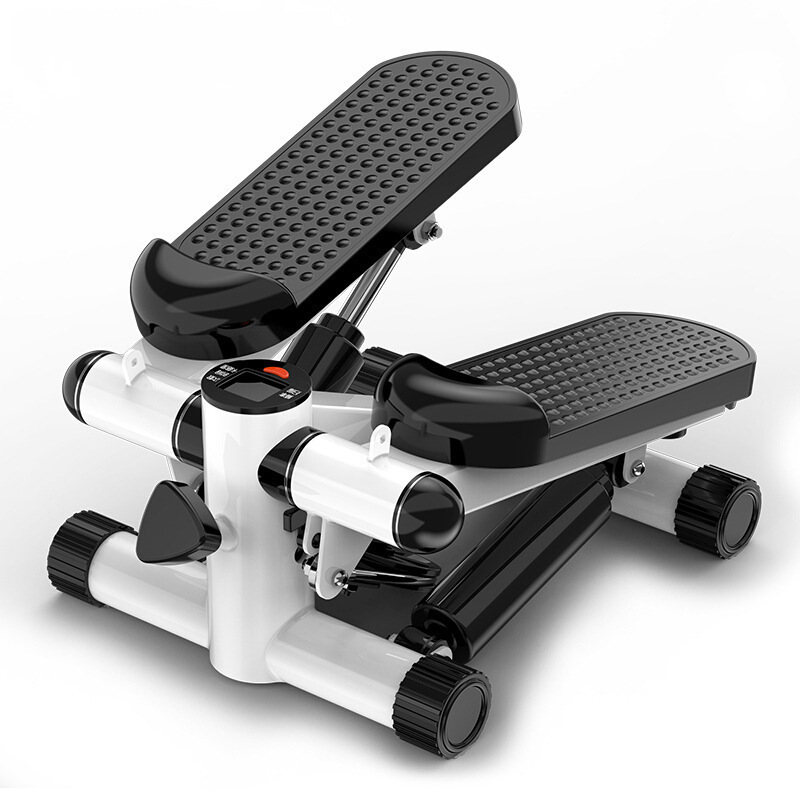
Training stepper
Product Introduction
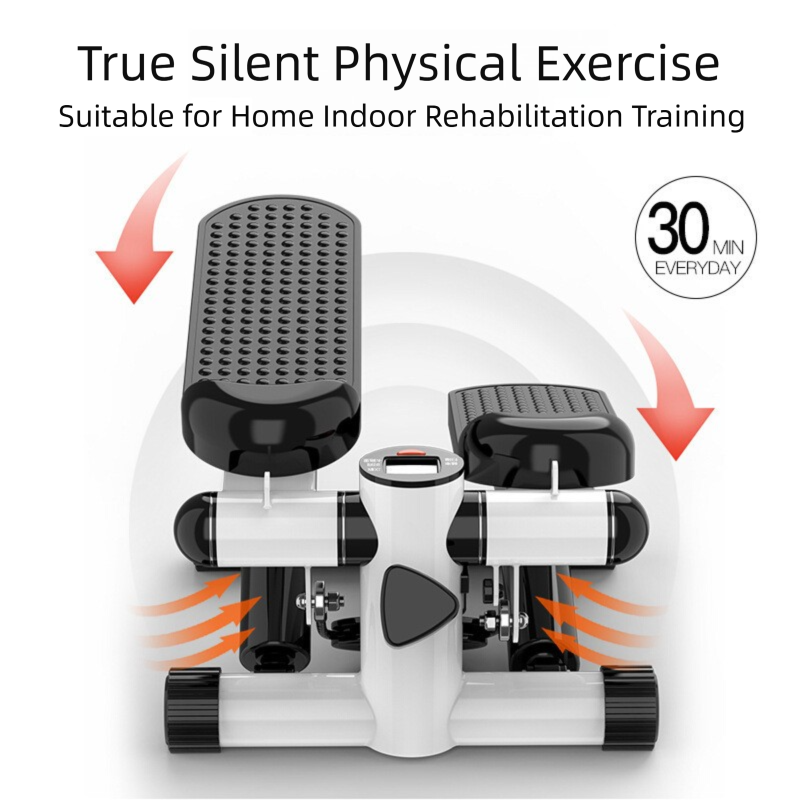
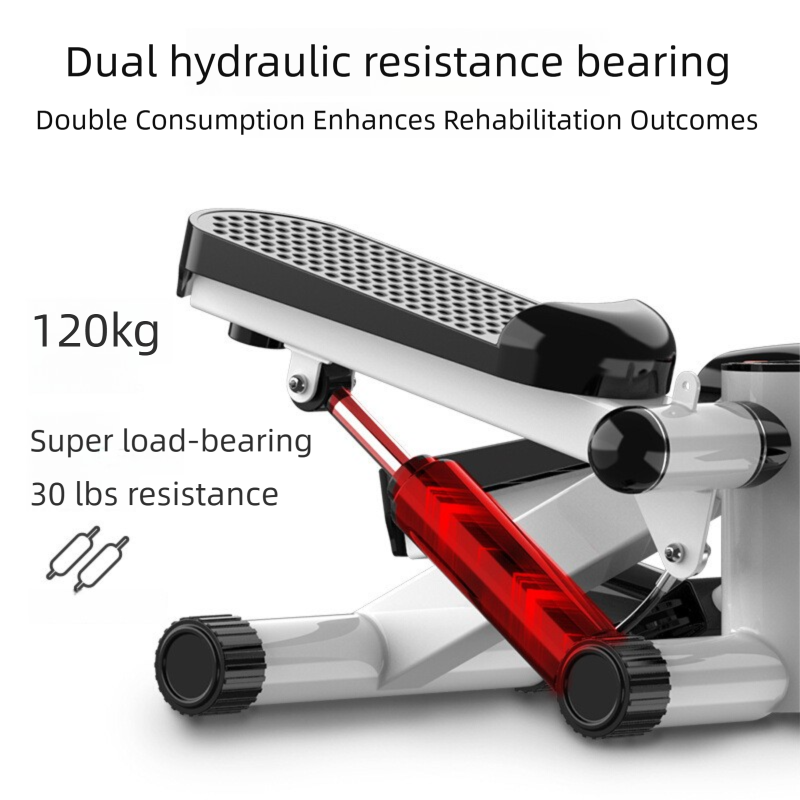
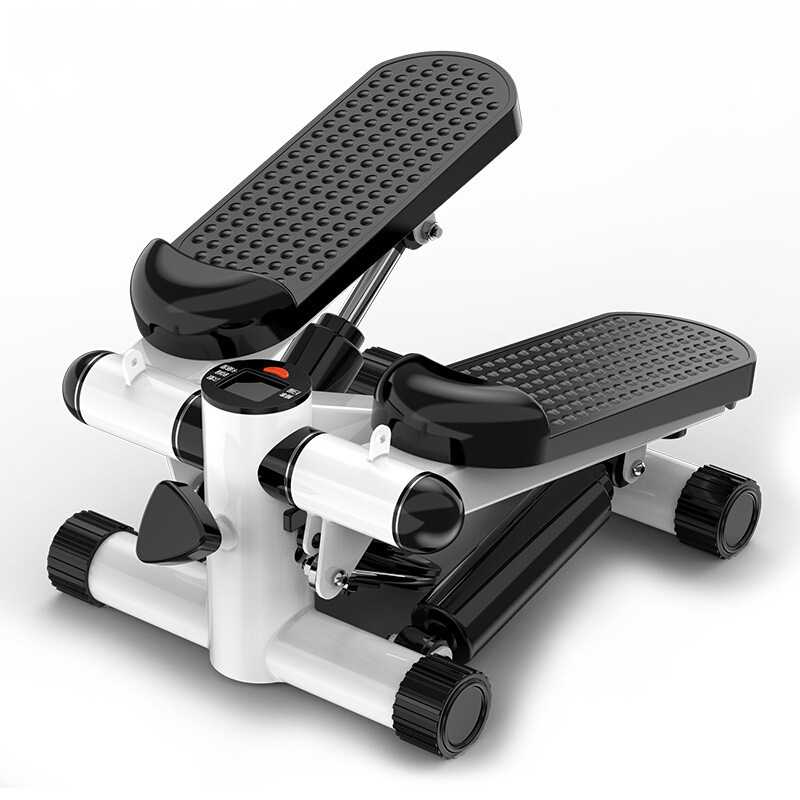
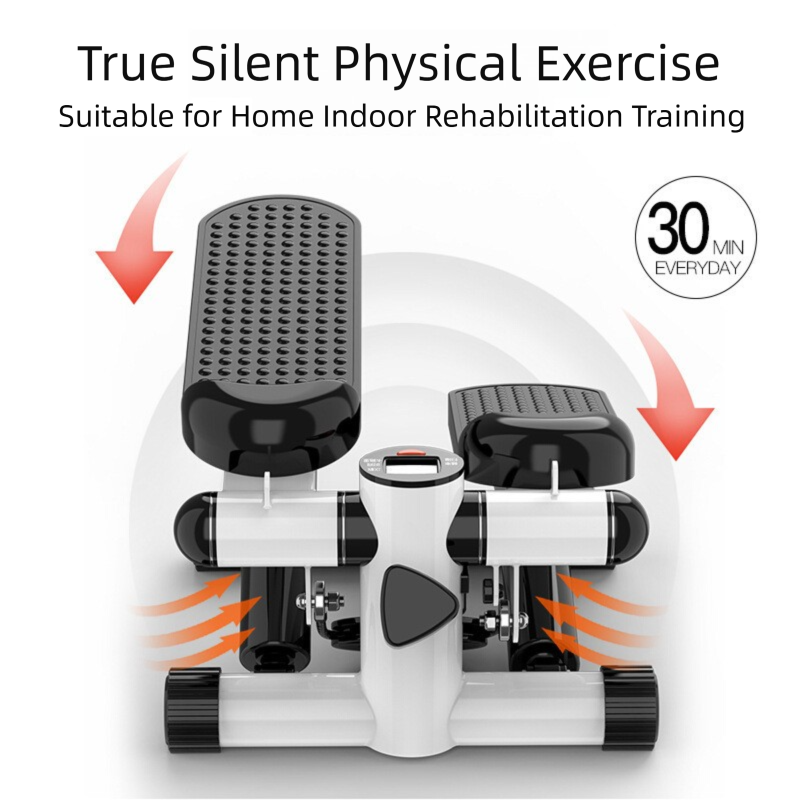
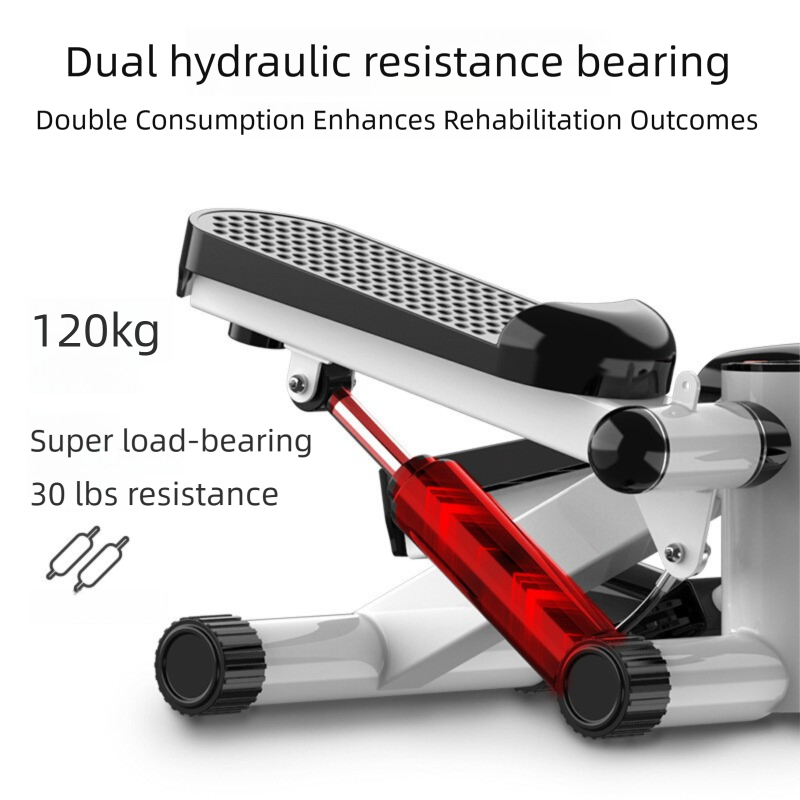
This training stepper is designed for lower limb rehabilitation and low-intensity daily exercise, making it suitable for patients in recovery as well as elderly users with reduced mobility. The adjustable resistance system allows users to control training intensity precisely, supporting different rehabilitation stages and fitness levels.
Equipped with a triangular nut resistance adjustment, the stepper enables smooth and gradual resistance changes. The built-in electronic display tracks real-time exercise data, helping users monitor progress and follow a structured, scientific training routine.
Regular use helps improve joint flexibility, strengthen lower limb muscles, promote blood circulation, and enhance endurance. For seniors, it supports muscle activation, reduces stiffness caused by inactivity, and helps maintain overall mobility—making it an ideal rehabilitation and home fitness solution.
Product specification
-
Product Type: Rehabilitation Training Stepper
-
Resistance Adjustment: Manual triangular nut adjustment
-
Display: Electronic monitor for real-time workout data
-
Training Mode: Low-impact stepping motion
-
Usage Environment: Indoor, home or rehabilitation setting
-
Suitable Positions: Seated use (chair or bedside recommended)
Target audience of the product
-
Hemiplegic patients (stroke or post-stroke rehabilitation)
-
Patients recovering from lower limb surgery or fractures
-
Elderly individuals with muscle weakness or joint stiffness due to inactivity
-
Individuals with weak cardiopulmonary function requiring low-intensity aerobic exercise
How to Use
-
Place the training stepper on a flat and stable surface.
-
Sit on a chair or bedside and place both feet firmly on the pedals.
-
Adjust the resistance level by rotating the triangular nut according to your condition.
-
Start stepping rhythmically at a comfortable pace.
-
Gradually increase exercise duration and resistance as strength and endurance improve.
Safety tips
-
First-time users should exercise under the supervision of a family member or therapist.
-
Do not use if you have unhealed fractures or have recently undergone surgery without medical approval.
-
Stop immediately if you experience severe pain, dizziness, or shortness of breath.
-
Elderly or mobility-impaired users should ensure anti-slip measures are in place.
-
Increase training intensity gradually to avoid joint strain or muscle overuse.
You may also like
WHAT CAN WE OFFER YOU?
On your road to recovery, we walk with you.
VIEW MORE