 Marie Claire.and 34,342 Customers trust rehabify™.
1
/
5
Rheumatism Walking Booster
$280.00 USD
Calculul taxelor de expediere la finalizare
Cantitate
Product Introduction
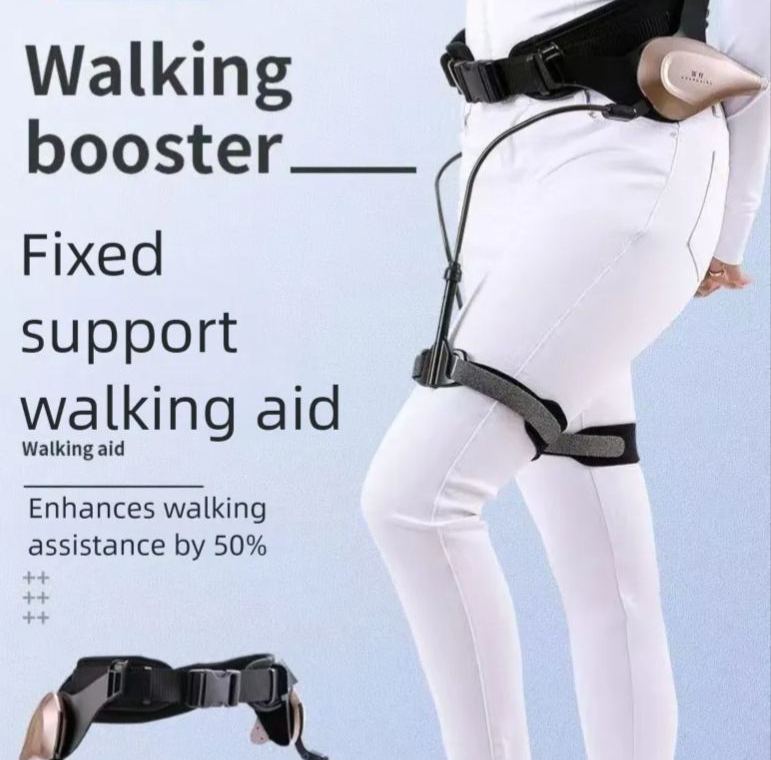
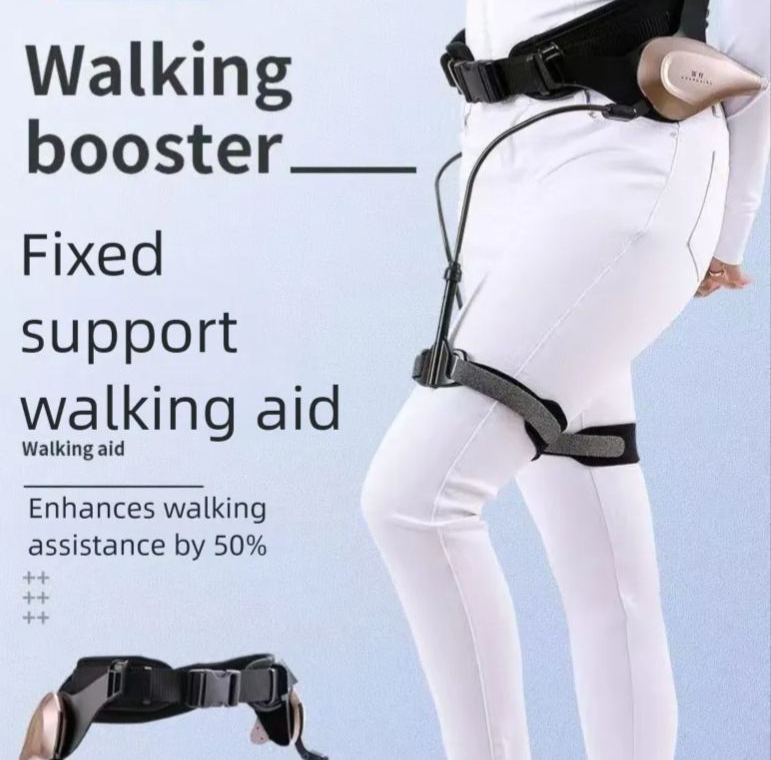
Walking Booster – Fixed Support Walking Aid
The Walking Booster is a wearable gait-assist device designed to provide fixed support to the hip and thigh, improving walking efficiency and reducing fatigue in users with lower limb weakness. By stabilizing the pelvis and assisting leg movement, it helps users restore proper gait, enhance mobility, and regain confidence during daily activities.
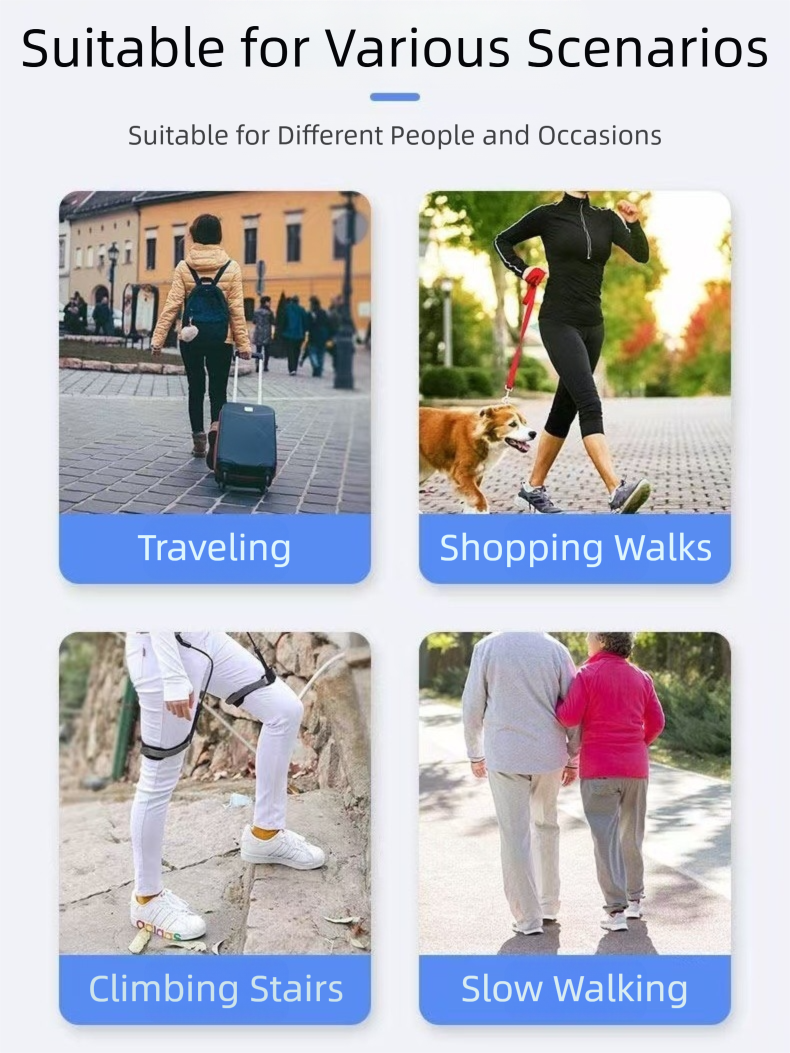
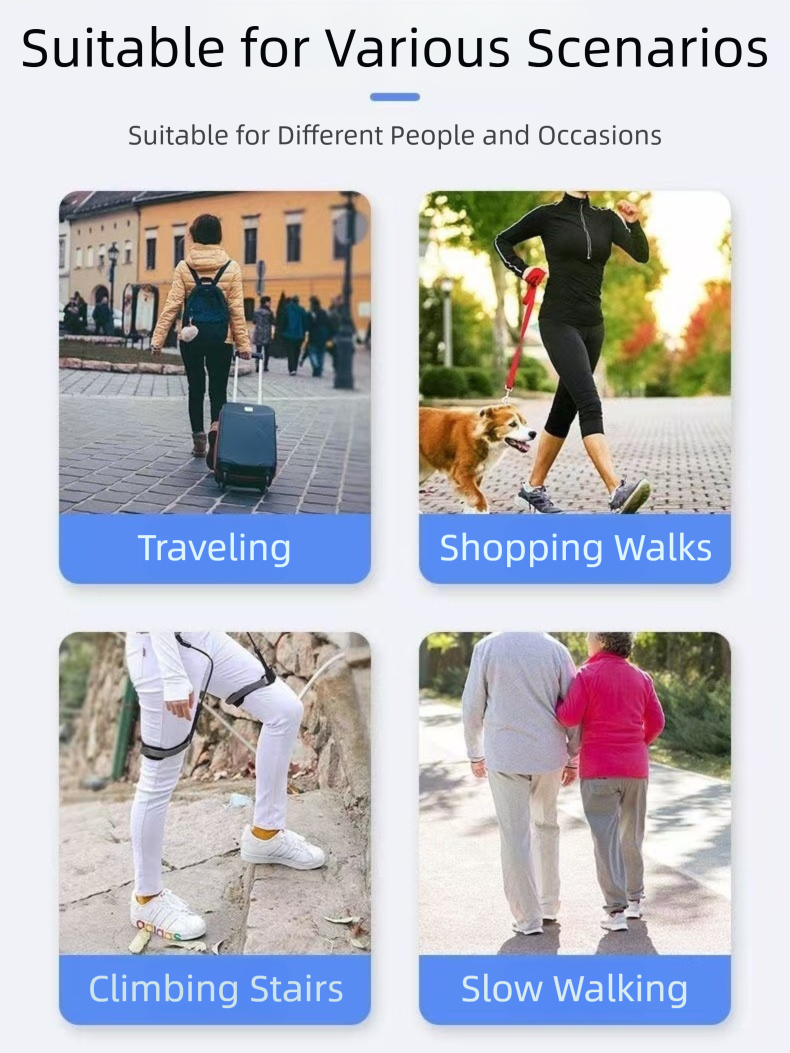
This device is particularly suitable for stroke patients, foot drop sufferers, elderly users with reduced leg strength, or those undergoing lower limb rehabilitation. Lightweight, portable, and adjustable, it can be used at home, in rehabilitation centers, or during short outdoor walks.
Product specification
| Item | Specification |
|---|---|
| Product Type | Walking Booster / Fixed Support Walking Aid |
| Material | High-strength plastic, fabric, elastic band |
| Weight | Approx. 0.5–1 kg |
| Applicable Height | Adjustable to fit most adults |
| Usage Position | Waist and thigh wearable |
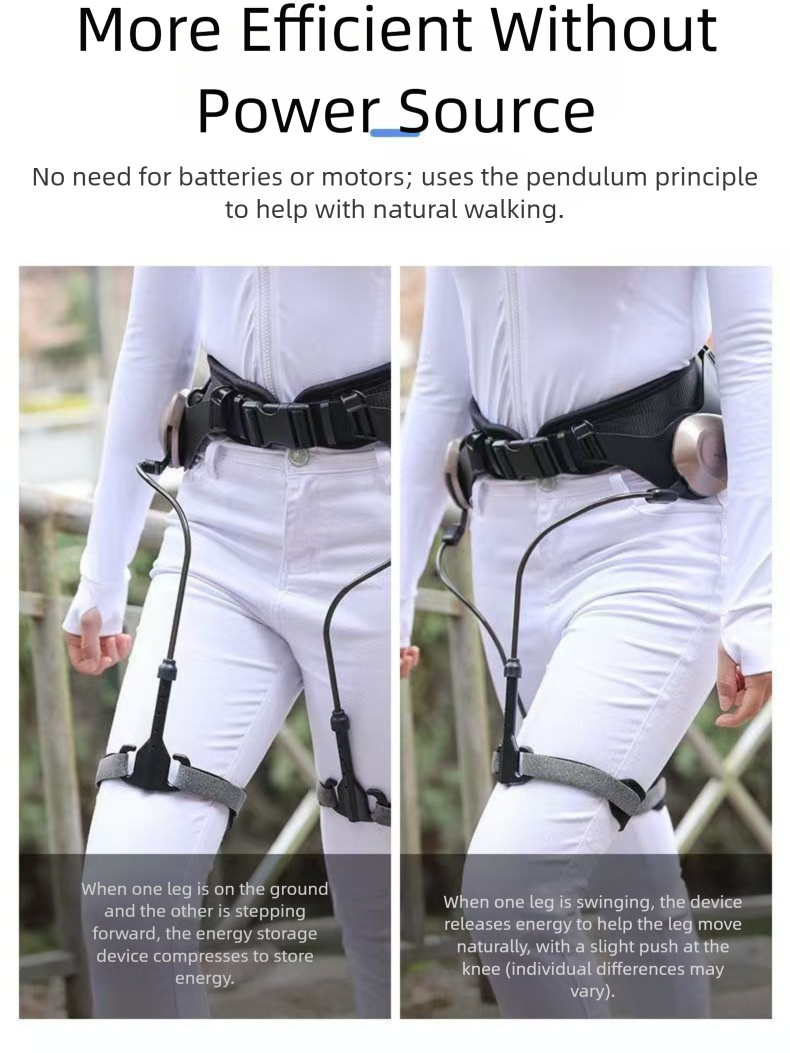
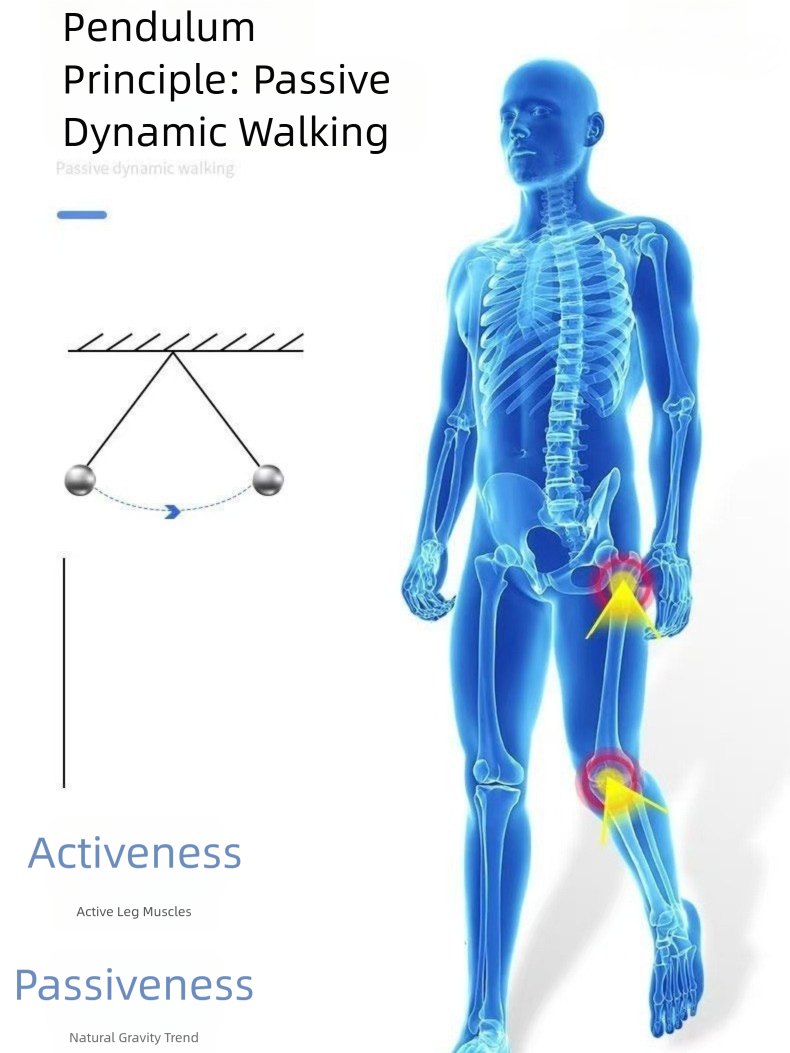
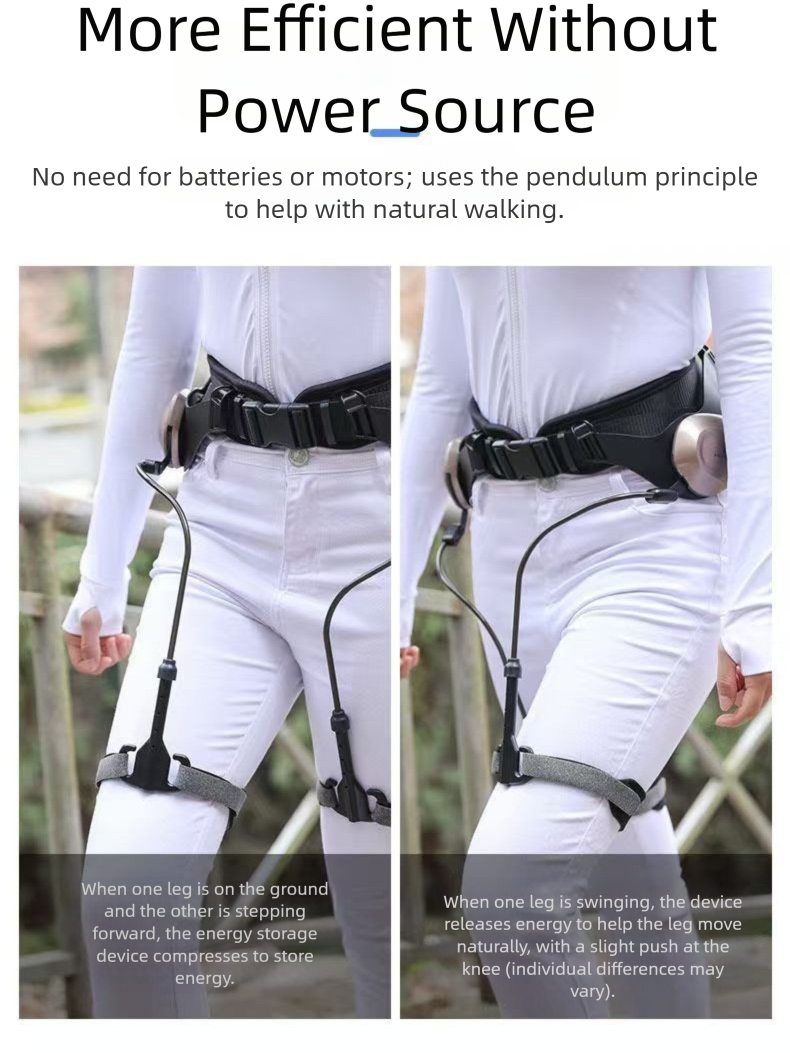
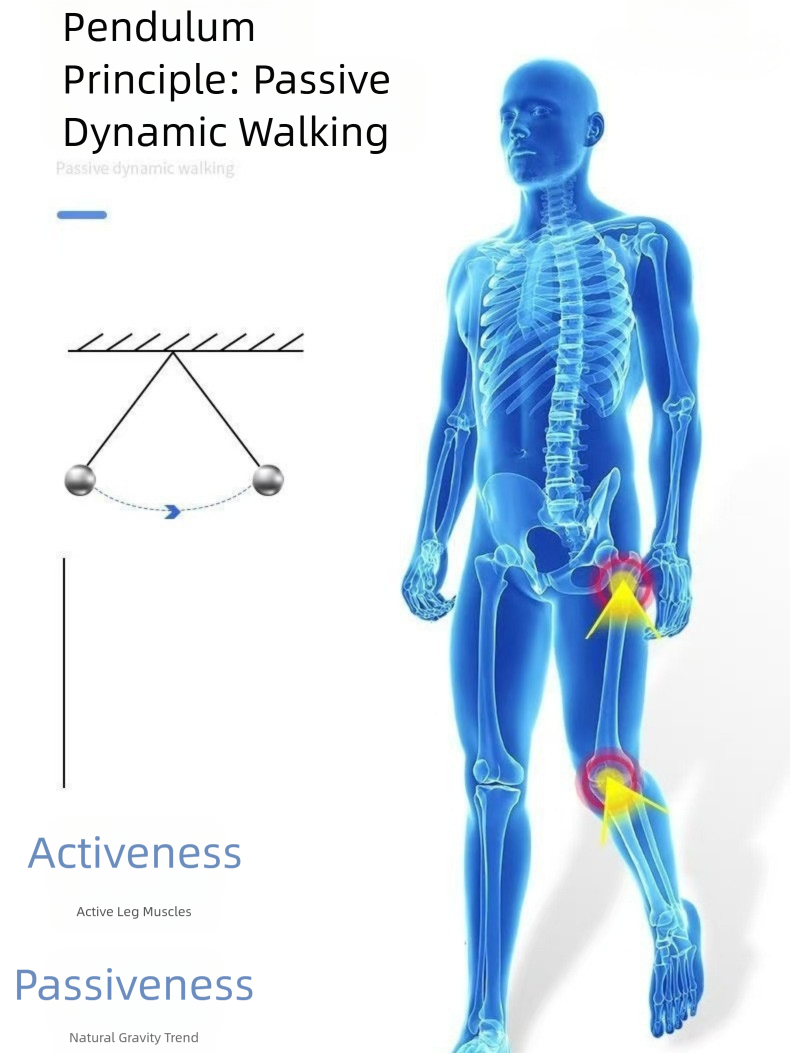
| Assistance Mode | Passive support via elastic tension |
Target audience of the product
- 🧑🦽 Stroke patients needing gait support
- 🦴 Individuals with foot drop or lower limb weakness
- 👴 Elderly users requiring walking assistance and stability
- 🦶 Rehabilitation patients seeking to improve walking efficiency
How to Use
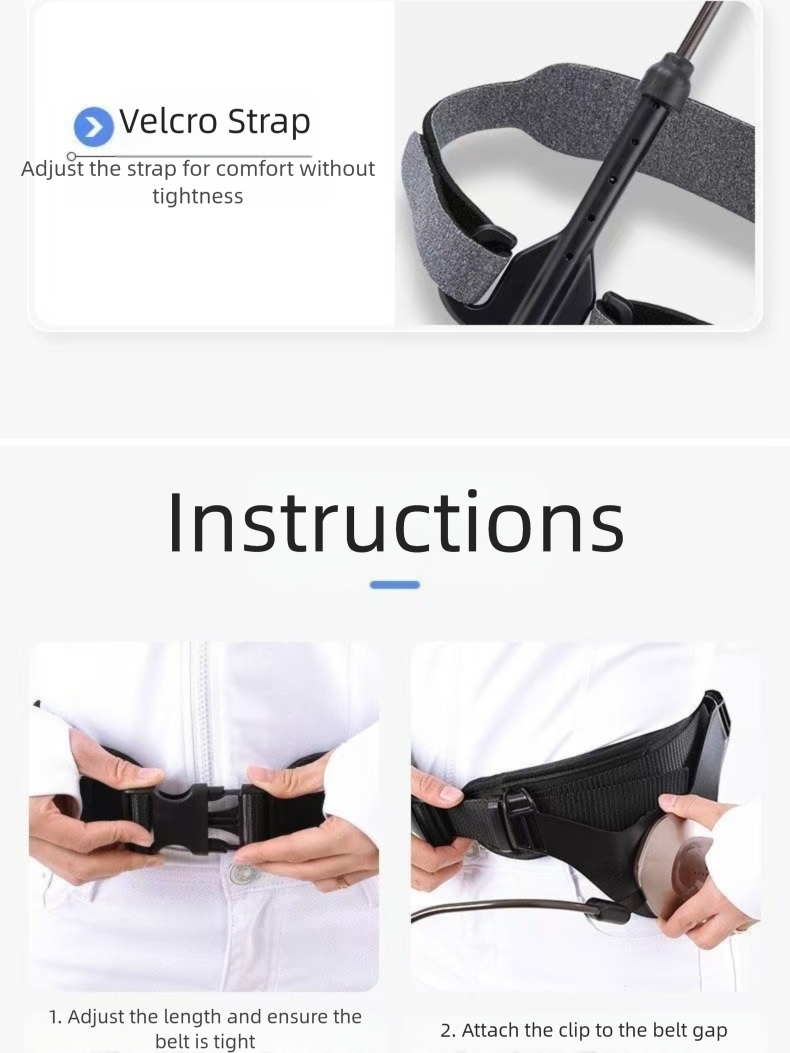
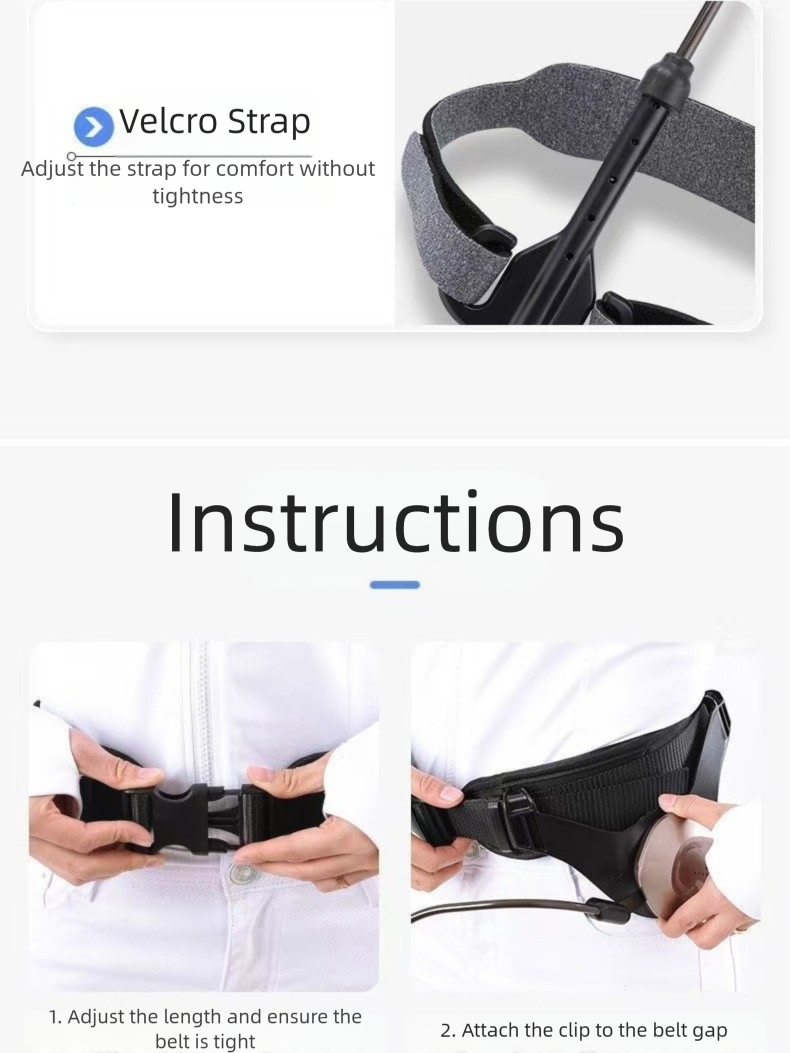
- Wrap the waist belt around the hips and secure with the buckle.
- Position the thigh strap on the upper leg and fasten snugly but comfortably.
- Connect the elastic support line from the waist to the thigh strap, adjusting tension as needed.
- Stand and begin walking slowly, ensuring proper posture and safe support.
- Use under supervision during initial sessions until familiar with the device.
Safety tips
- First-time use is recommended under the guidance of a rehabilitation therapist or caregiver.
- Adjust straps to avoid circulation restriction or discomfort.
- Do not use on unhealed fractures, severe osteoporosis, or infected skin areas without medical approval.
- Regularly inspect elastic bands and straps for wear or damage.
- This device is a rehabilitation aid and does not replace professional medical evaluation or treatment.
You may also like
WHAT CAN WE OFFER YOU?
On your road to recovery, we walk with you.
VIEW MORE