 Marie Claire.and 34,342 Customers trust rehabify™.
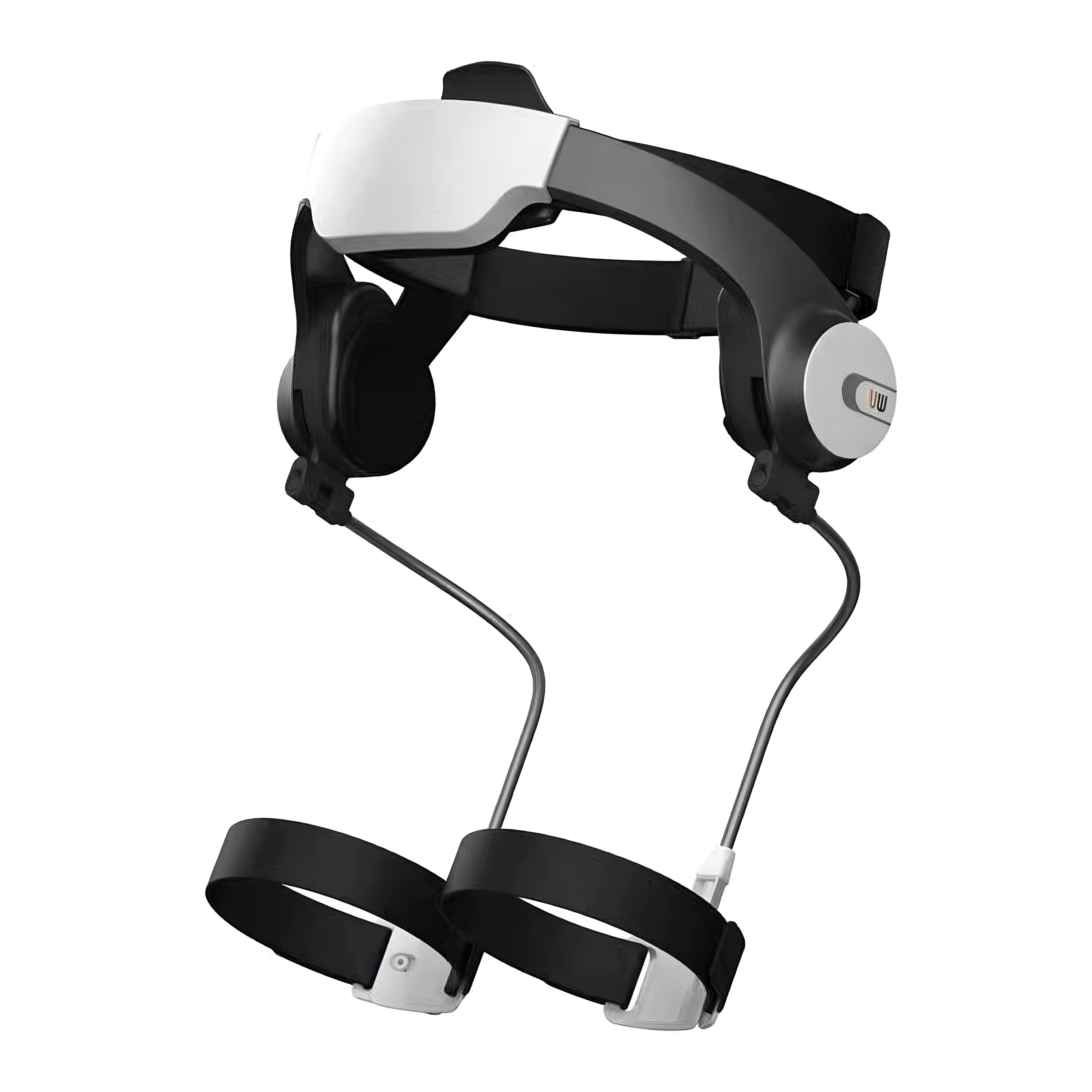
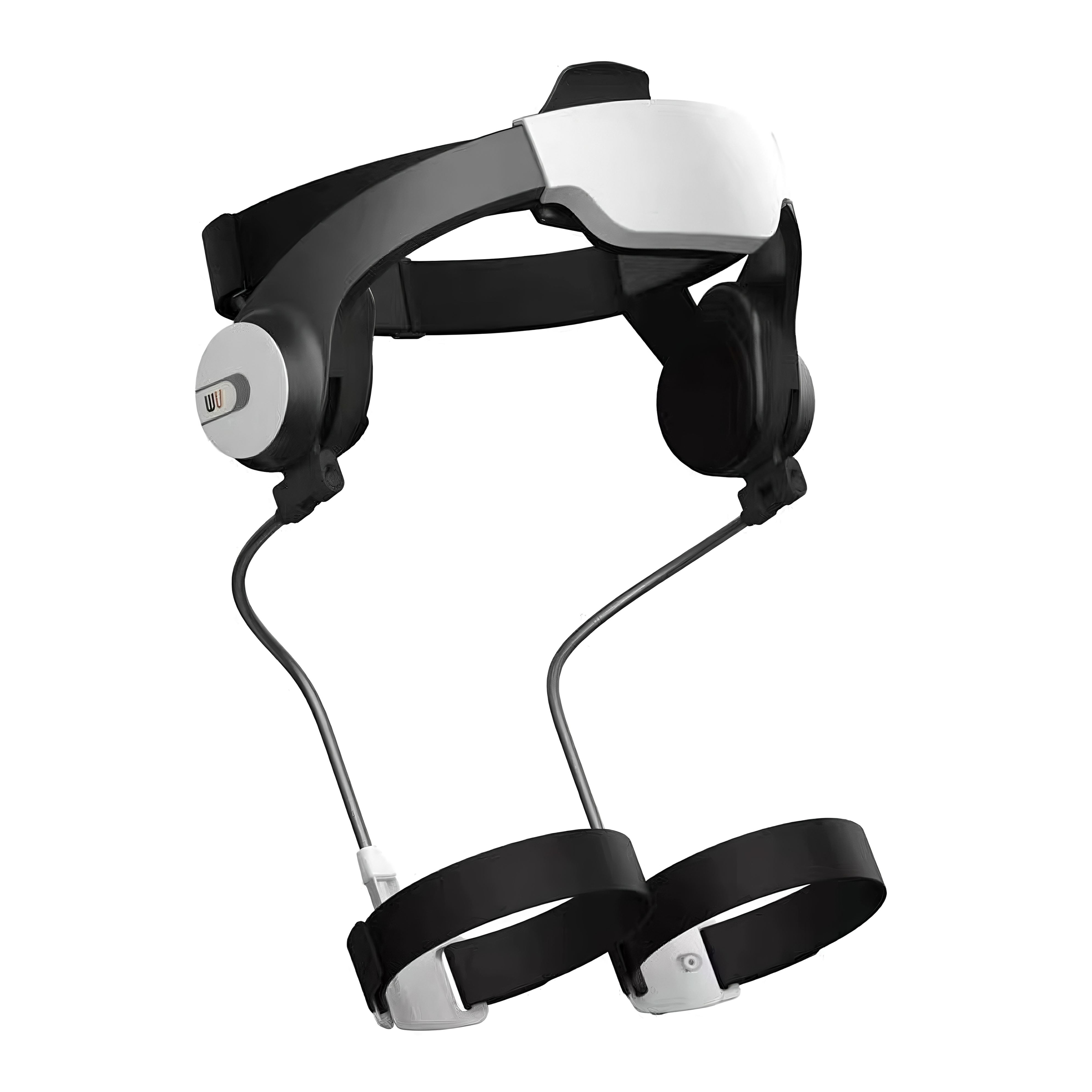
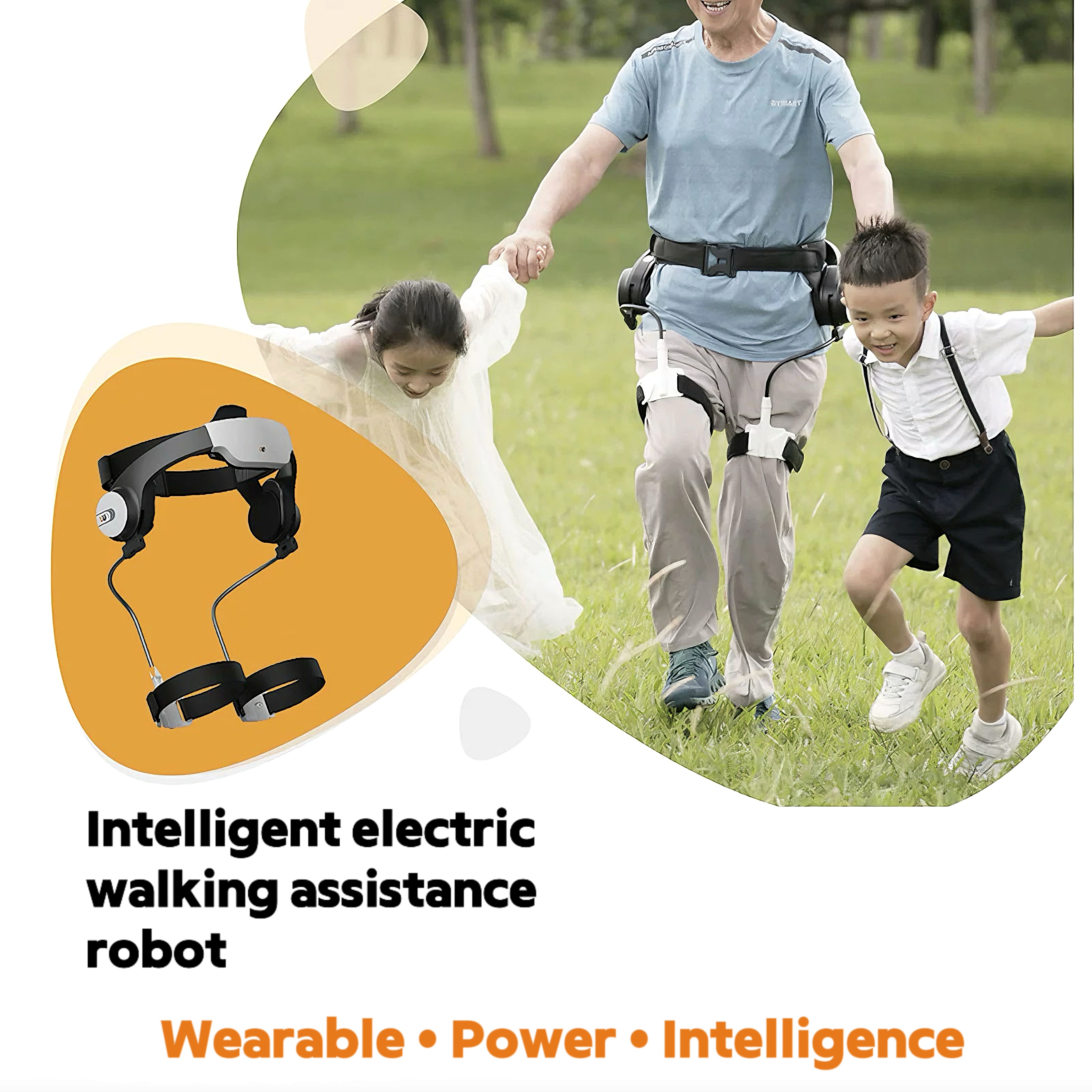
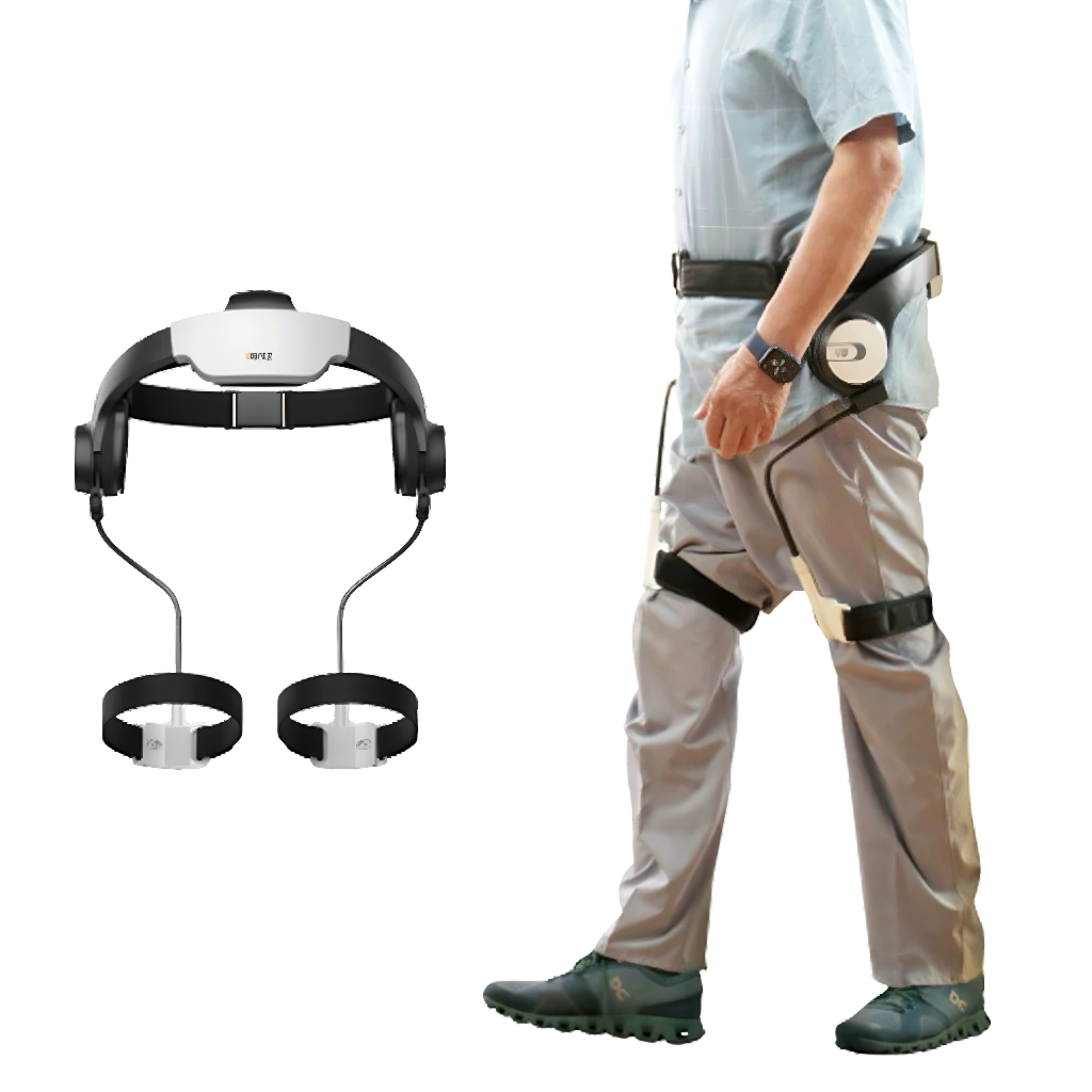
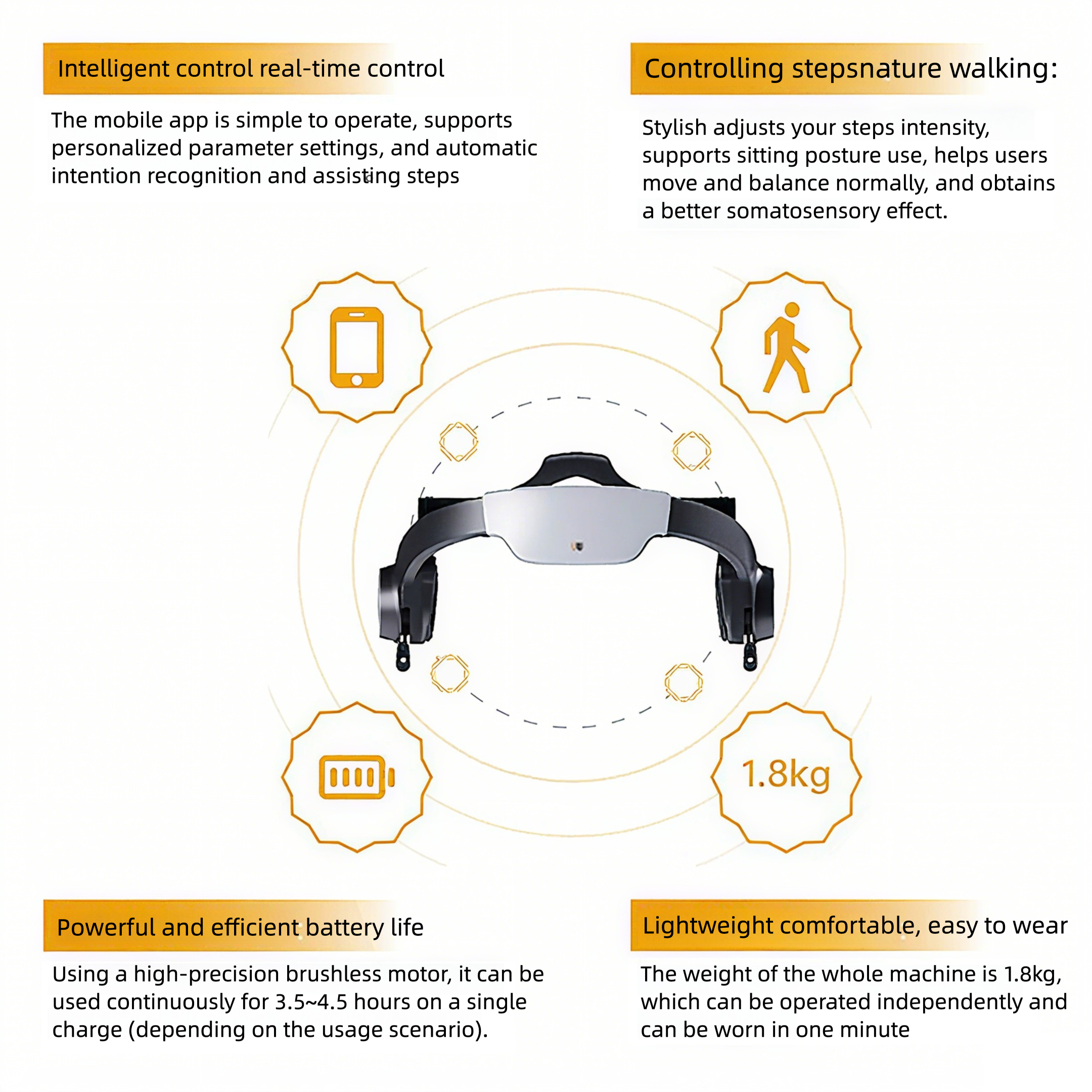
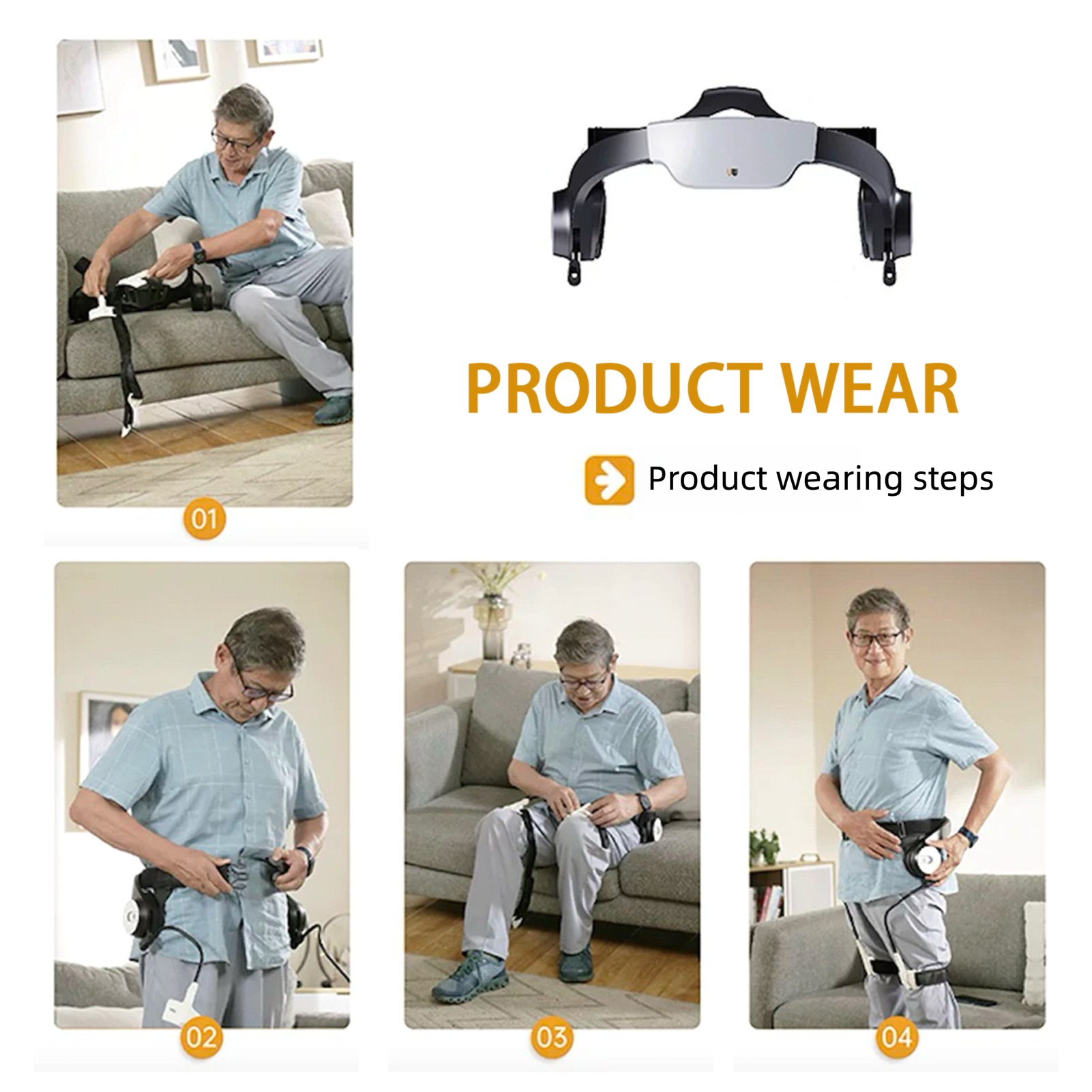
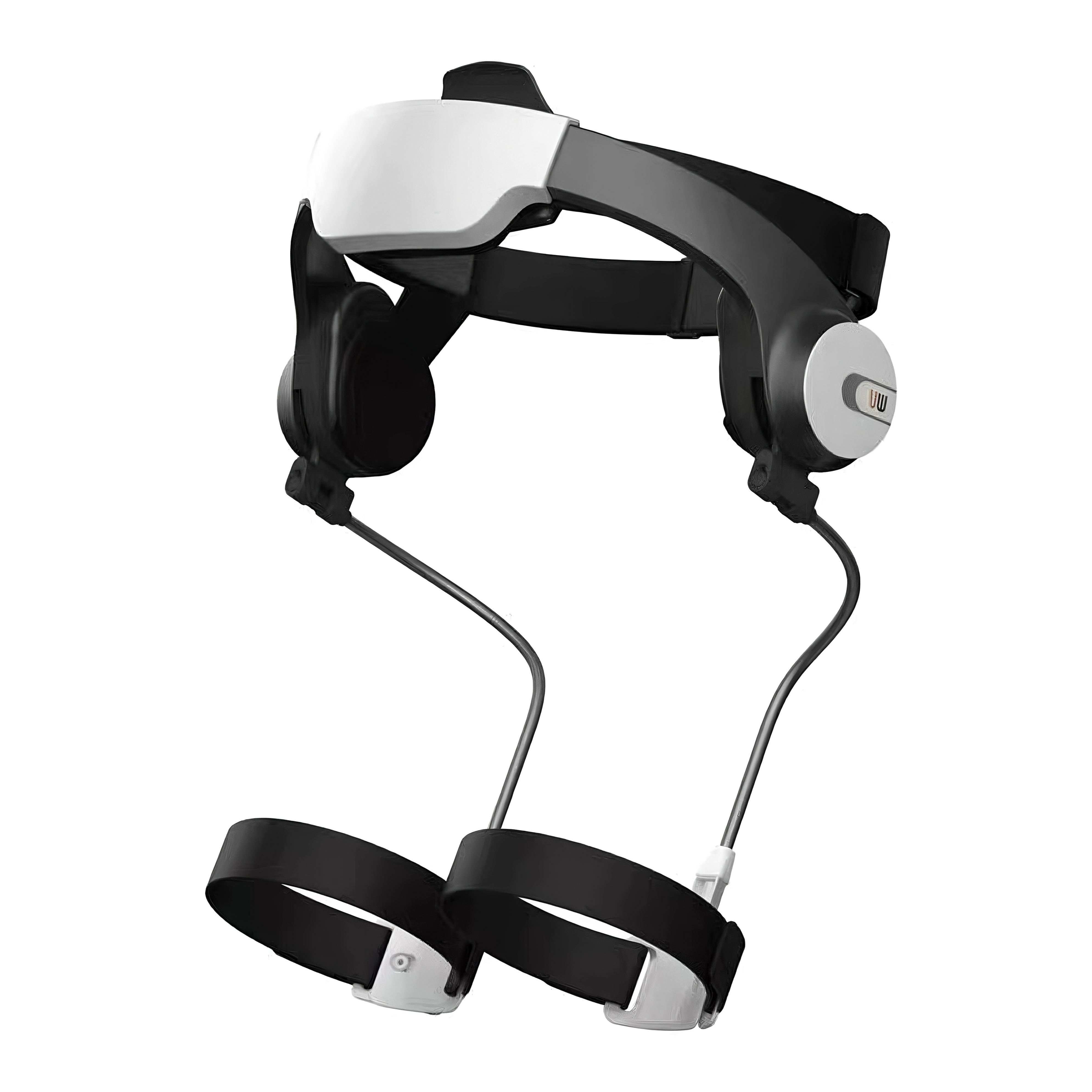
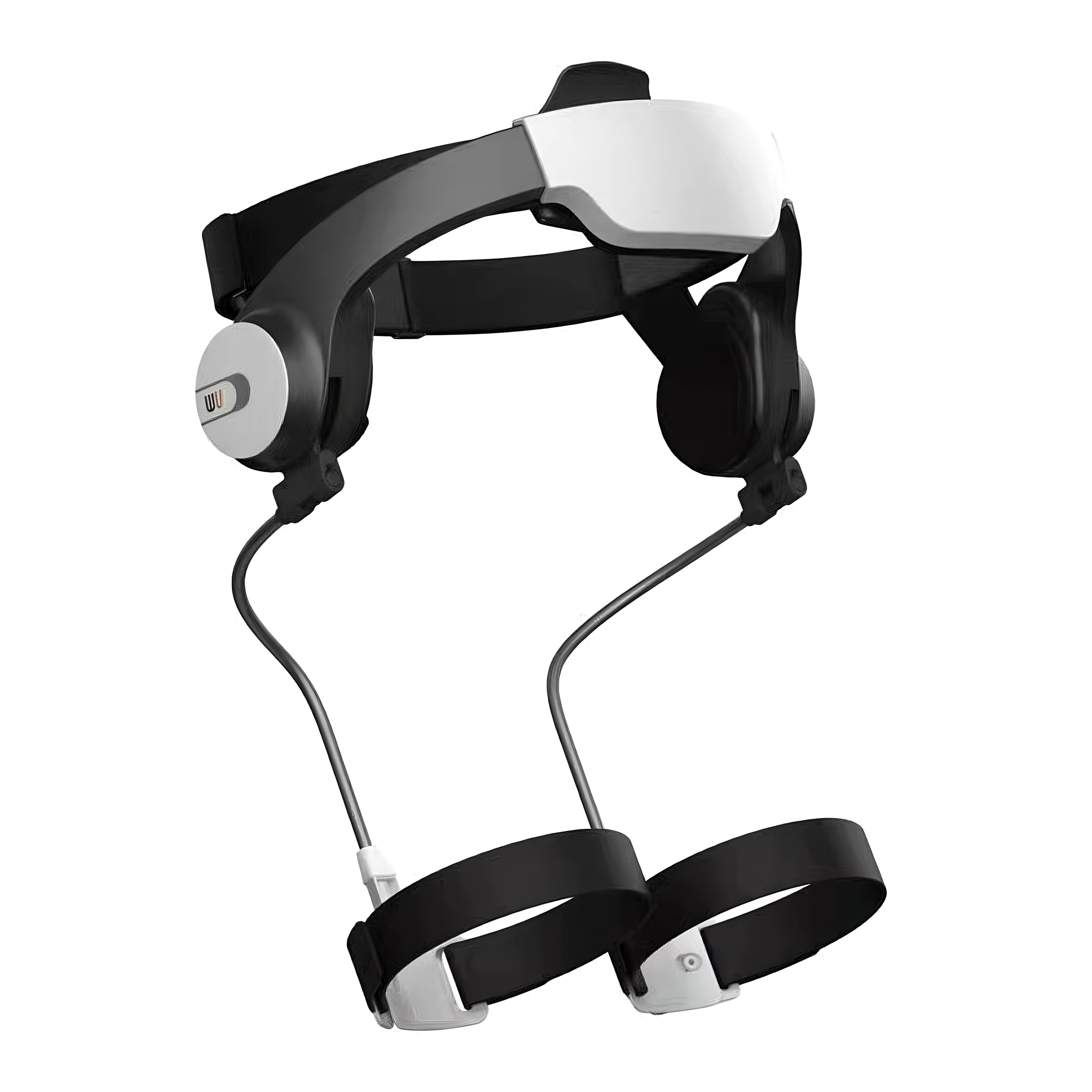
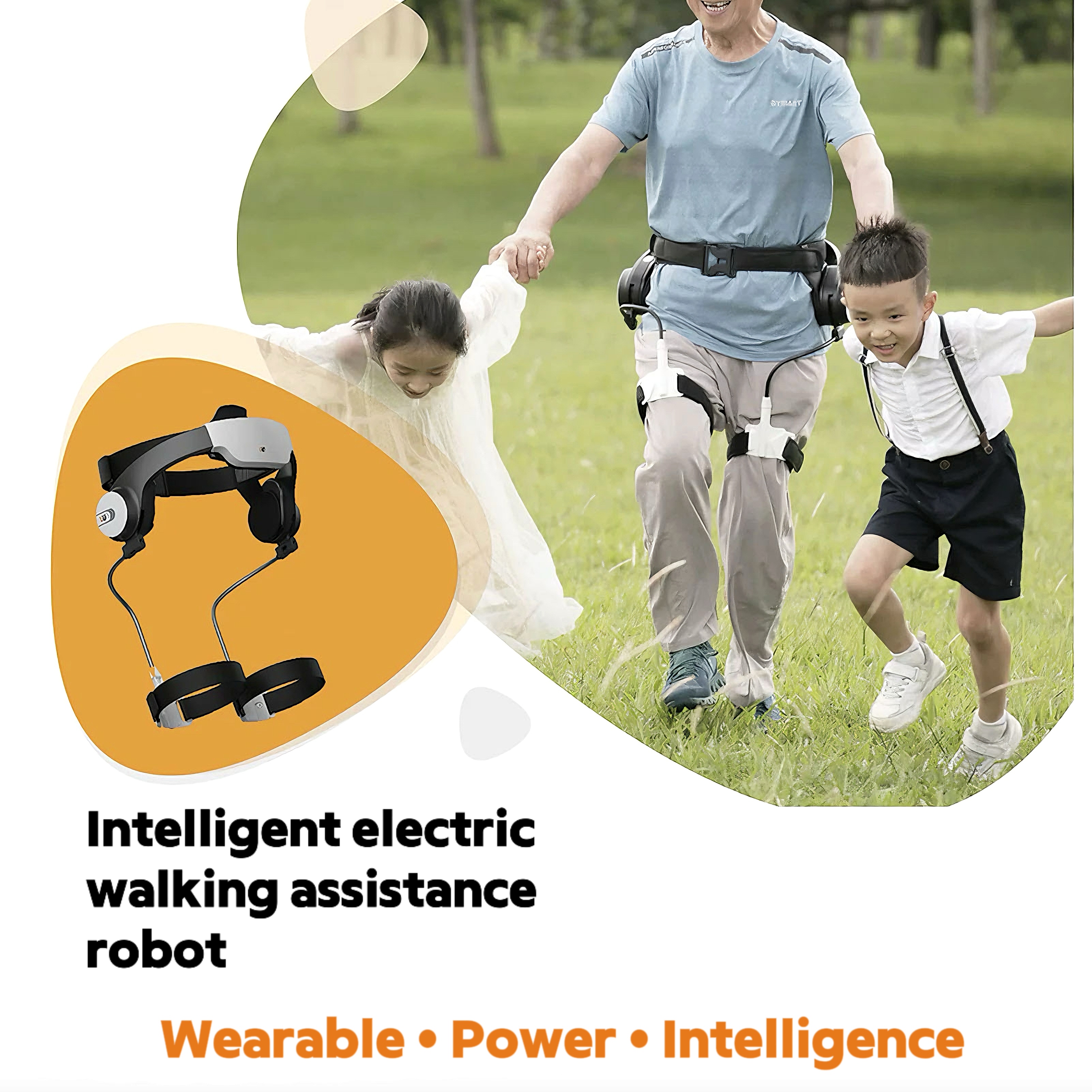
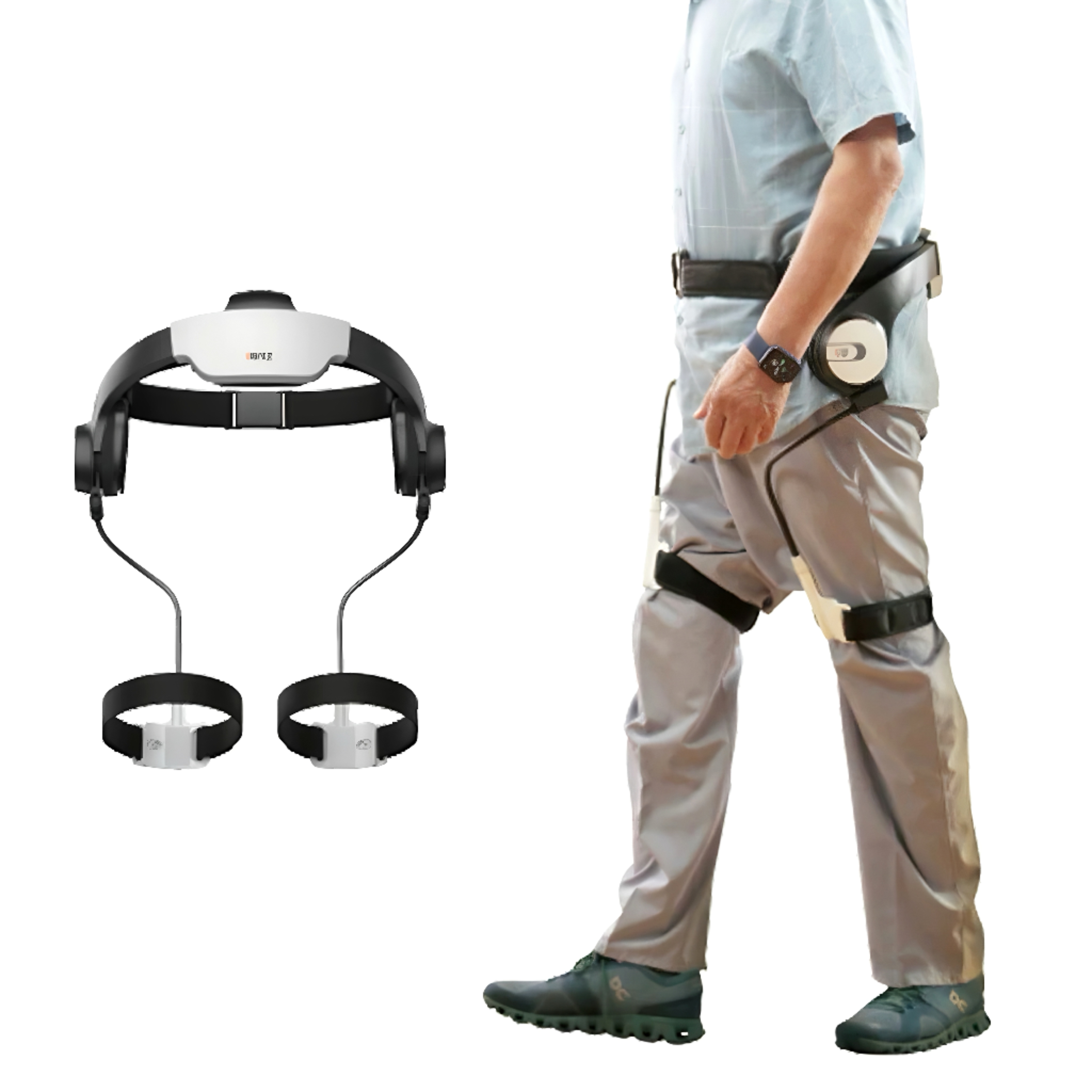
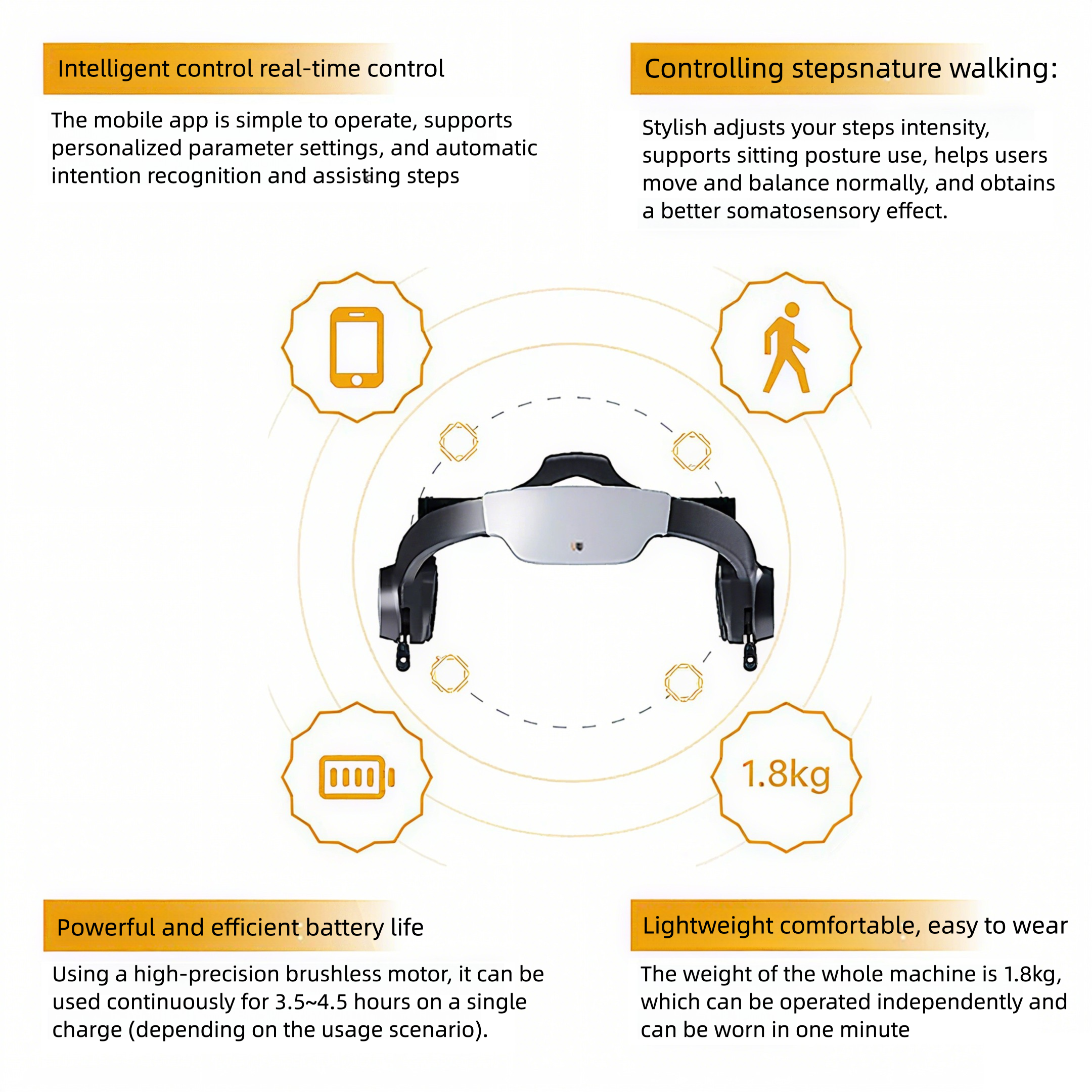
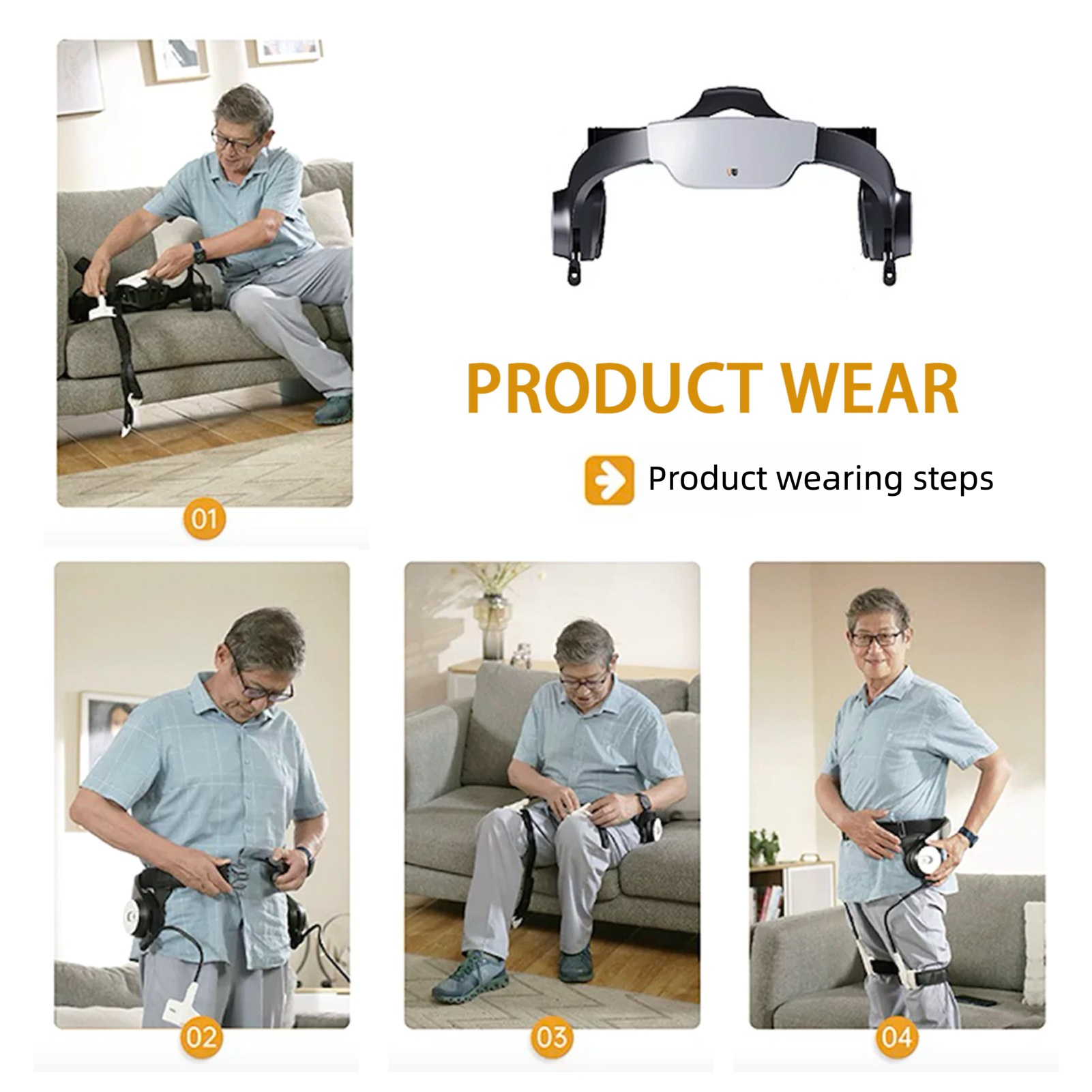
Intelligent electric walking assistance robot
Product Introduction
The Elbow Joint Trainer is a medical-grade rehabilitation device designed to restore mobility, relieve stiffness, and strengthen the elbow after injury or surgery. Its adjustable angles, speed, and resistance allow for tailored rehabilitation, supporting gradual recovery of joint function.
Suitable for home or clinical use, the device features soft, comfortable fixation straps to prevent secondary injuries and ensure safe, effective training. Regular use under professional guidance helps improve flexibility, reduce pain, and maintain long-term elbow health.
Product specification
| Property | Detail |
|---|---|
| Product Type | Elbow Joint Trainer |
| Material | Metal |
| Weight | 7200 g |
| Applicable Parts | Elbow / Upper Arm |
| Item Number | Elbow Joint Trainer |
| Fixation Method | Velcro / Soft Cushion Straps |
| Adjustable Settings | Angle, Speed, Resistance |
Target audience of the product
-
Postoperative patients: after elbow fractures, joint replacements, tendon or ligament repairs
-
Athletes with sports injuries: tennis elbow, golfer’s elbow, throwing injuries
-
Arthritis patients: to relieve stiffness and maintain joint range of motion
-
Stroke survivors: to reduce upper limb spasm and restore joint function
How to Use
-
Place the arm securely on the trainer and fasten the fixation straps.
-
Adjust the flexion/extension angle, resistance, and speed according to therapy goals.
-
Begin slow, controlled exercises under professional guidance.
-
Gradually increase training time, range, and intensity following the “painless or slightly painful” principle.
-
Maintain regular training sessions for optimal recovery.
Safety tips
-
Always follow the guidance of a doctor or rehabilitation therapist for equipment settings and usage.
-
Avoid forcing large angles or high resistance to prevent secondary injury.
-
Check straps and device stability before each session.
-
Rehabilitation requires persistence—regular, consistent training yields the best results.
-
Stop immediately if pain or discomfort occurs, and consult a professional.
You may also like
WHAT CAN WE OFFER YOU?
On your road to recovery, we walk with you.
VIEW MORE