
Stroke Hemiplegia Upper Limb Rehab Pulley
  • Afganistāna(AFN Af)
  • Ālandu salas(EUR €)
  • Albānija(ALL L)
  • Alžīrija(DZD د.ج)
  • amerikāņu Samoa(USD $)
  • Andora(EUR €)
  • Angola(USD $)
  • Anguilla(XCD $)
  • Antarktīda(USD $)
  • Antigva un Barbuda(XCD $)
  • Argentīna(USD $)
  • Armēnija(AMD Դ)
  • Aruba(AWG ƒ)
  • Debesbraukšanas sala(SHP £)
  • Austrālija(AUD AU$)
  • Austrija(EUR €)
  • Azerbaidžāna(AZN ман)
  • Bahamu salas(BSD BSD)
  • Bahreina(BHD .د.ب)
  • Bangladeša(BDT ৳)
  • Barbadosa(BBD BBD)
  • Baltkrievija(USD $)
  • Beļģija(EUR €)
  • Beliza(BZD Be)
  • Benina(XOF Fr)
  • Bermudu salas(BMD BD$)
  • Butāna(BTN Nu.)
  • Bolīvija(BOB Bs.)
  • Bosnija un Hercegovina(BAM КМ)
  • Botsvāna(BWP P)
  • Buvē sala(USD $)
  • Brazīlija(USD $)
  • Britu Indijas okeāna teritorija(USD $)
  • Bruneja(BND B$)
  • Bulgārija(BGN лв)
  • Burkinafaso(XOF Fr)
  • Burundi(BIF ₣)
  • Kambodža(KHR ៛)
  • Kamerūna(XAF ₣)
  • Kanāda(CAD $)
  • Kaboverde(CVE $)
  • Kaimanu salas(KYD $)
  • Centrālāfrikas Republika(XAF ₣)
  • Čada(XAF ₣)
  • Čīle(USD $)
  • Ķīna(CNY ¥)
  • Ziemassvētku sala(AUD AU$)
  • Kokosu (Kīlinga) salas(AUD AU$)
  • Kolumbija(USD $)
  • Komoru salas(KMF Fr)
  • Kongo-Brazavila(XAF ₣)
  • Kongo-Kinšasa(CDF ₣)
  • Sala(NZD $)
  • Kostarika(CRC ₡)
  • Kotdivuāra(XOF Fr)
  • Horvātija(EUR €)
  • Kipra(EUR €)
  • Čehu Republika(CZK Kč)
  • Dānija(DKK kr)
  • Džibutija(DJF ₣)
  • Dominika(XCD $)
  • Dominikānas republika(DOP $)
  • Ekvadora(USD $)
  • Ēģipte(EGP E£)
  • Salvadora(USD $)
  • Ekvatoriālā Gvineja(XAF ₣)
  • Eritreja(ERN Nfk)
  • Igaunija(EUR €)
  • Etiopija(ETB Br)
  • Folklenda salas(FKP FKP)
  • Fēru salas(DKK kr)
  • Fidži(FJD FJ$)
  • Somija(EUR €)
  • Francija(EUR €)
  • Franču Gviāna(EUR €)
  • Franču Polinēzija(XPF ₣)
  • Francijas dienvidu teritorija(EUR €)
  • Gabona(XOF Fr)
  • Gambija(GMD D)
  • Gruzija(USD $)
  • Vācija(EUR €)
  • Gana(GHS ₵)
  • Gibraltārs(GBP £)
  • Grieķija(EUR €)
  • Grenlande(DKK kr)
  • Grenāda(XCD $)
  • Gvadelupa(EUR €)
  • Guama(USD $)
  • Gvatemala(GTQ Q)
  • Gērnsija(GBP £)
  • Gvineja(GNF ₣)
  • Gvineja-Bisava(XOF Fr)
  • Gajāna(GYD $)
  • Haiti(USD $)
  • Hērda un Makdonalda salas(AUD AU$)
  • Hondurasa(HNL L)
  • Hongkonga Īpašā administratīvā zona(TRY ₤)
  • Ungārija(HUF Ft)
  • Islande(ISK Kr)
  • Indija(INR ₹)
  • Indonēzija(IDR Rp)
  • Irāka(USD $)
  • Īrija(EUR €)
  • cilvēka sala(GBP £)
  • Izraēla(ILS ₪)
  • Itālija(EUR €)
  • Jamaika(JMD $)
  • Japāna(JPY ¥)
  • Džērsija(GBP £)
  • Jordānija(USD $)
  • Kazahstāna(KZT 〒)
  • Kenija(KES Sh)
  • Kiribati(AUD AU$)
  • Dienvidkoreja(KRW ₩)
  • Kuveita(KWD دينار)
  • Kirgizstāna(KGS С̲)
  • Laosa(LAK ₭)
  • Latvija(EUR €)
  • Libāna(LBP ل.ل)
  • Lesoto(USD $)
  • Libērija(USD $)
  • Lībija(USD $)
  • Lihtenšteina(CHF ₣)
  • Lietuva(EUR €)
  • Luksemburga(EUR €)
  • Makao Īpašā administratīvā zona(MOP P)
  • Ziemeļmaķedonija(MKD ден)
  • Madagaskara(USD $)
  • Malāvija(MWK MK)
  • Malaizija(MYR RM)
  • Maldīvija(MVR ރ.)
  • Mali(XOF Fr)
  • Malta(EUR €)
  • Māršala salas(USD $)
  • Martinika(EUR €)
  • Mauritānija(USD $)
  • Maurīcija(MUR ₨)
  • Majota(EUR €)
  • Meksika(USD $)
  • Mikronēzija(USD $)
  • Moldova(MDL L)
  • Monako(EUR €)
  • Mongolija(MNT ₮)
  • Melnkalne(EUR €)
  • Montserrata(XCD $)
  • Maroka(MAD د.م.)
  • Mozambika(USD $)
  • Mjanma (Birma)(MMK K)
  • Namībija(USD $)
  • Nauru(AUD AU$)
  • Nepāla(NPR ₨)
  • Nīderlande(EUR €)
  • Nīderlandes Antiļas(USD $)
  • Jaunkaledonija(XPF ₣)
  • Jaunzēlande(NZD $)
  • Nikaragva(NIO C$)
  • Nigēra(XOF Fr)
  • Nigērija(NGN ₦)
  • Niue(NZD $)
  • Norfolkas sala(AUD AU$)
  • Ziemeļu Marianas salas(USD $)
  • Norvēģija(USD $)
  • Omāna(OMR ر.ع.)
  • Pakistāna(PKR ₨)
  • Palau(USD $)
  • Palestīnas teritorijas(ILS ₪)
  • Panama(USD $)
  • Papua Jaungvineja(PGK K)
  • Paragvaja(PYG ₲)
  • Peru(PEN S/)
  • Filipīnas(PHP ₱)
  • Pitkērnas salas(NZD $)
  • Polija(PLN zł)
  • Portugāle(EUR €)
  • Puertoriko(USD $)
  • Katara(QAR ر.ق)
  • Atkalapvienošanās(EUR €)
  • Rumānija(RON L)
  • Krievija(USD $)
  • Ruanda(RWF ₣)
  • Samoa(WST T)
  • Sanmarīno(EUR €)
  • Santome un Prinsipi(USD $)
  • Saūda Arābija(SAR ر.س)
  • Senegāla(XOF Fr)
  • Serbija(RSD din)
  • Seišelu salas(USD $)
  • Sjerraleone(SLL Le)
  • Singapūra(SGD S$)
  • Slovākija(EUR €)
  • Slovēnija(EUR €)
  • Zālamana salas(SBD Si$)
  • Somālija(SOS Sh)
  • Dienvidāfrika(USD $)
  • Dienviddžordžija un Dienvidsendviču salas(GBP £)
  • Spānija(EUR €)
  • Šrilanka(LKR Rs)
  • Svētā Helēna(SHP £)
  • Sentkitsa un Nevisa(XCD $)
  • Sentlūsija(XCD $)
  • Svētais Mārtiņš(EUR €)
  • Senpjēra un Mikelona(EUR €)
  • Sentvinsenta un Grenadīnas(XCD $)
  • Sudāna(SDG ج.س.)
  • Surinama(USD $)
  • Svalbāra un Jans Majens(USD $)
  • Esvatīni(USD $)
  • Zviedrija(SEK kr)
  • Šveice(CHF ₣)
  • Taivāna(TWD NT$)
  • Tadžikistāna(TJS ЅМ)
  • Tanzānija(TZS Sh)
  • Taizeme(THB ฿)
  • Austrumtimora(USD $)
  • Iet(XOF Fr)
  • Tokelau(NZD $)
  • Tonga(TOP T$)
  • Trinidada un Tobāgo(TTD TTD)
  • Tristans da Kunja(GBP £)
  • Tunisija(USD $)
  • Turcija(TRY ₤)
  • Turkmenistāna(TMT m)
  • Tērksas un Kaikosas salas(USD $)
  • Tuvalu(AUD AU$)
  • Uganda(UGX Sh)
  • Ukraina(UAH ₴)
  • Apvienotie Arābu Emirāti(AED د.إ)
  • U.K(GBP £)
  • Amerika(USD $)
  • ASV attālās salas(USD $)
  • Urugvaja(UYU $)
  • Uzbekistāna(UZS лв)
  • Vanuatu(VUV Vt)
  • Vatikāna pilsēta(EUR €)
  • Venecuēla(USD $)
  • Vjetnama(VND ₫)
  • Virdžīnu salas, ASV(USD $)
  • Britu Virdžīnu salas(USD $)
  • Volisa un Futunas salas(XPF ₣)
  • Rietumsahāra(MAD د.م.)
  • Jemena(YER ﷼)
  • Zambija(USD $)
  • Zimbabve(USD $)
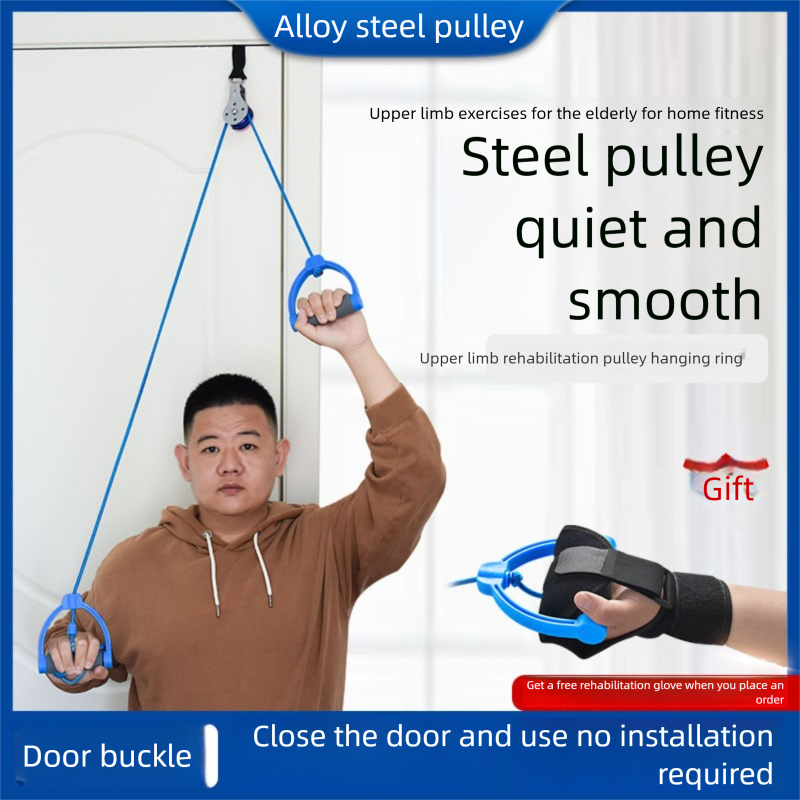
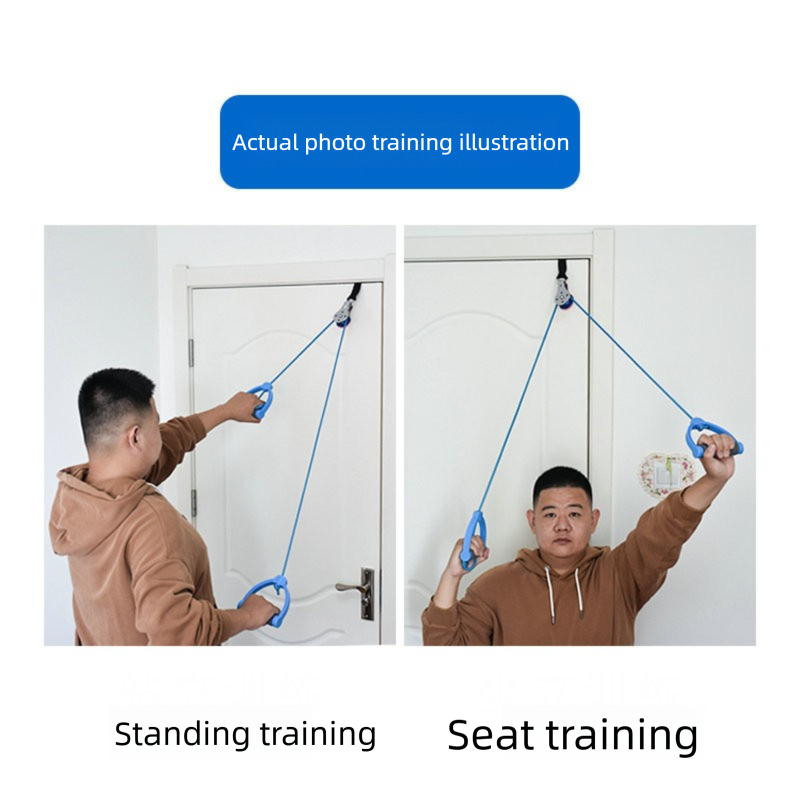
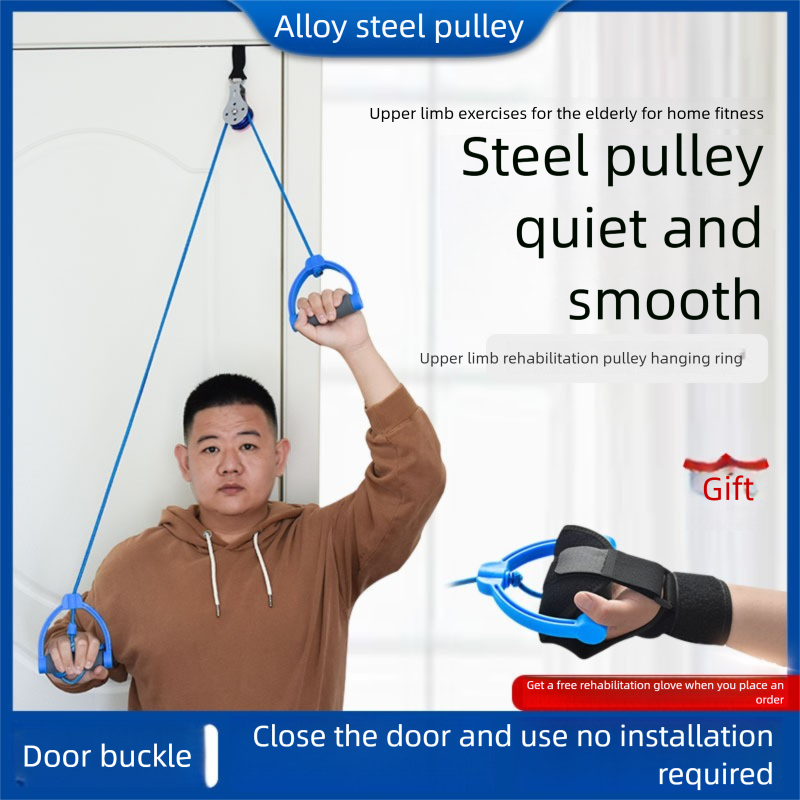
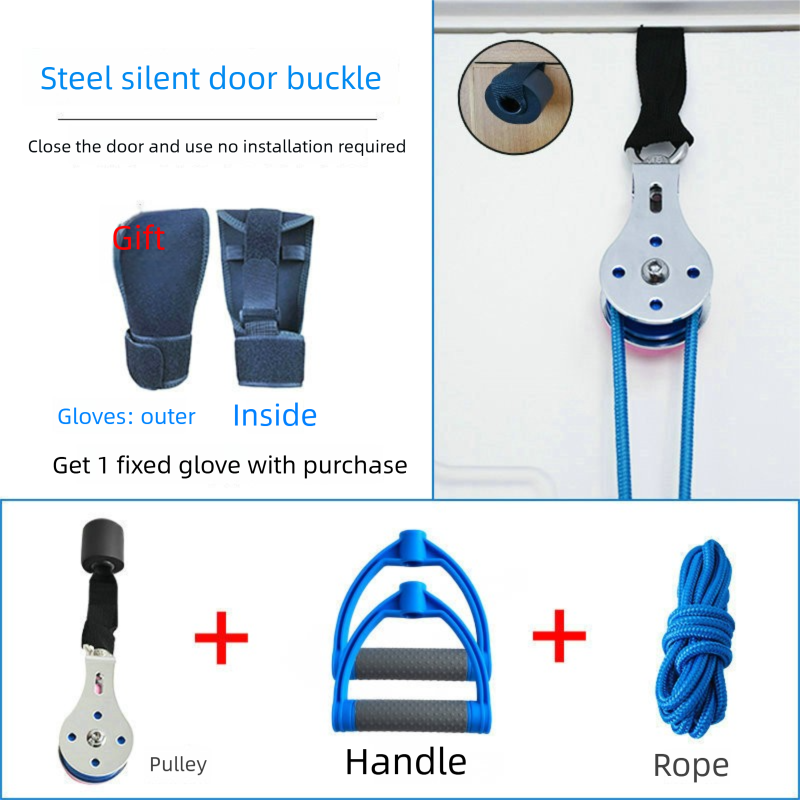
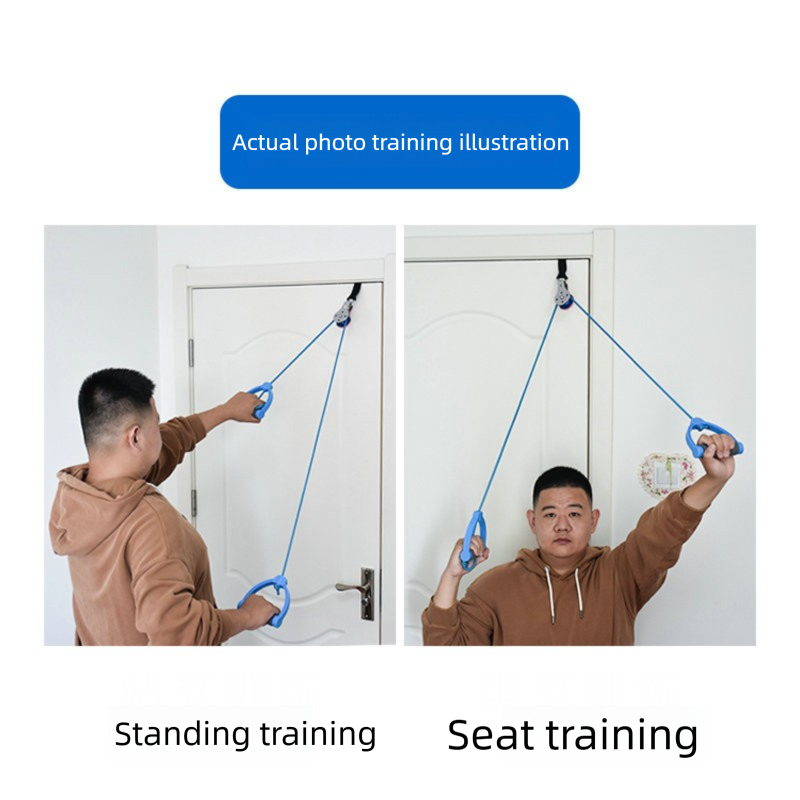
Rehabilitation training device for hemiplegic upper limbs after stroke

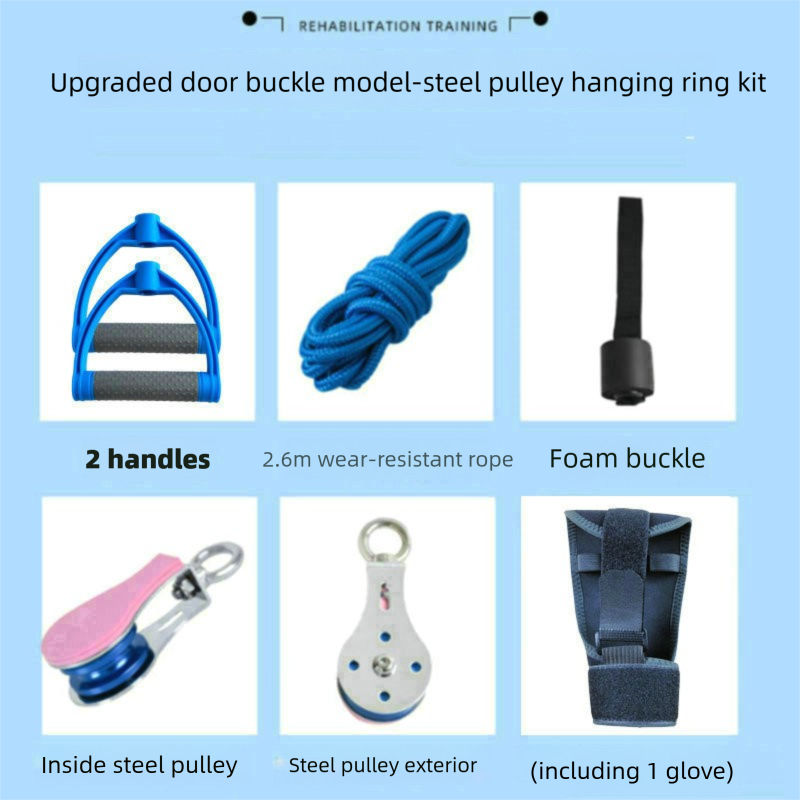
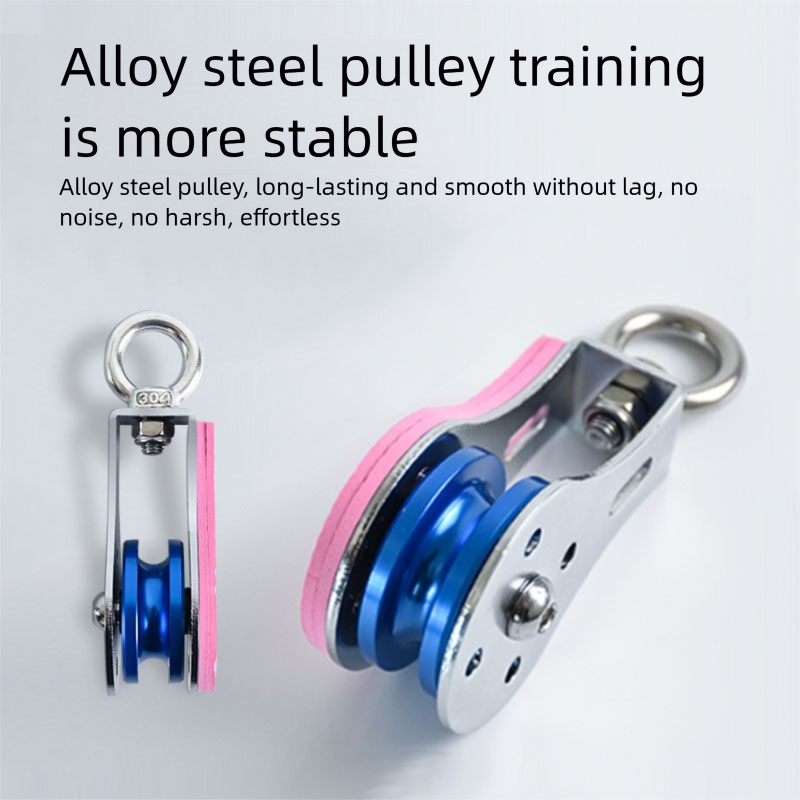
Stroke Hemiplegia Upper Limb Rehab Pulley

A medical rehabilitation device designed for patients who have suffered hemiplegia after a stroke to restore the function and motor control of the upper limbs (arms, hands).
$68.00 USD $0.00 USD

🟢 Product parameters

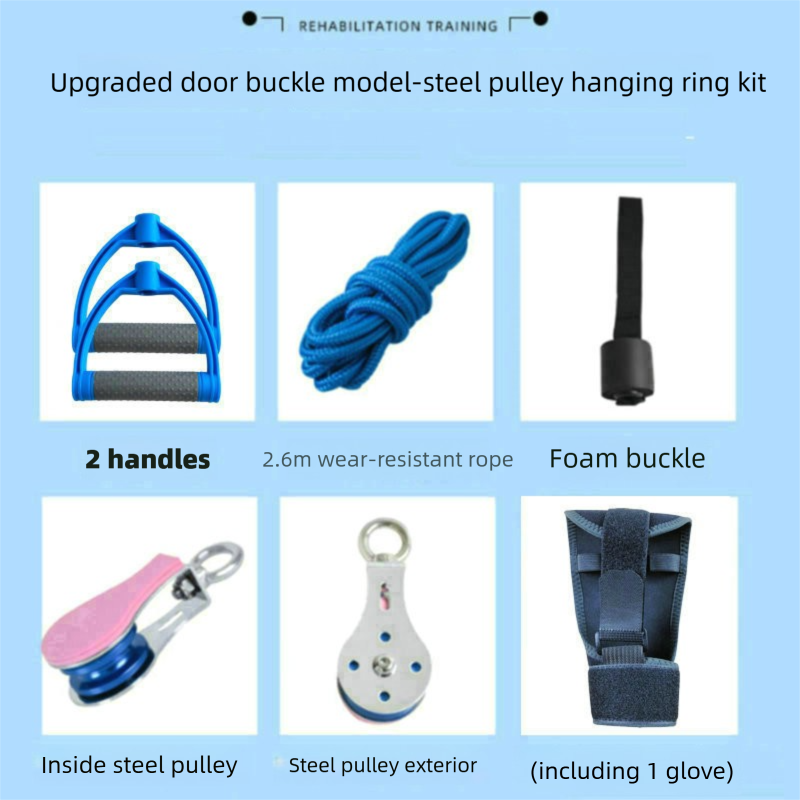
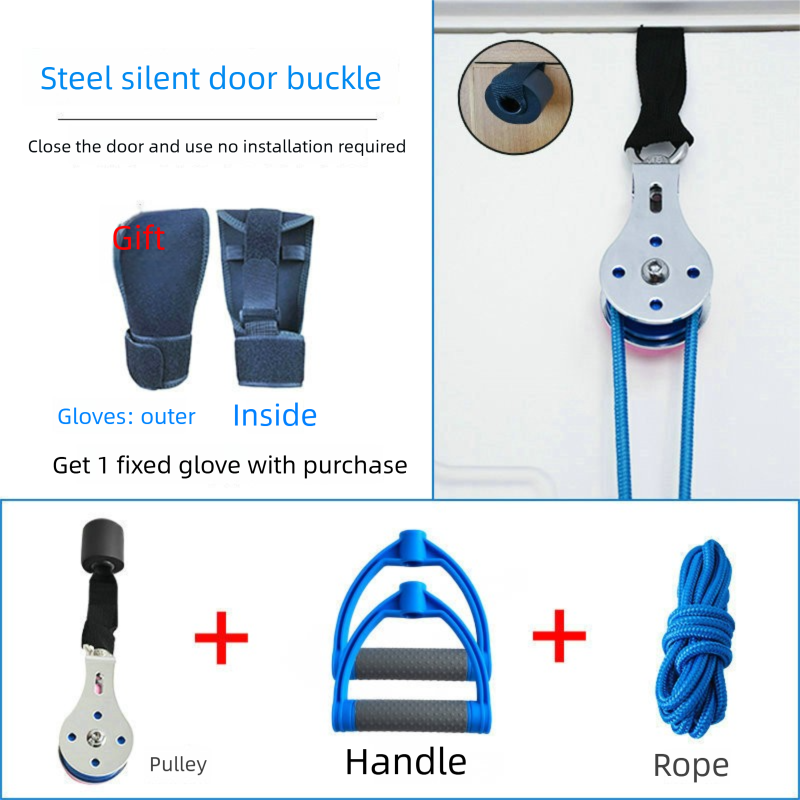
Applicable scenarios Fitness equipment Specification Silent door deduction
Weight (g) 500    

🟢 Main features and functions

  • Passive training mode: For patients with no active movement ability at all, the affected limb is driven by an electric motor or mechanical structure to perform regular, full-joint range reciprocating movements to prevent muscle atrophy and joint contracture.
  • Active assistance training mode: When a patient experiences weak muscle strength, the device detects the patient's movement intention through sensors, provides assistance, and "rewards" any minor active effort, greatly enhancing the confidence in recovery.
  • Active resistance training mode: For patients with a certain degree of active movement ability, the equipment provides adjustable resistance for strength strengthening training.
  • Task-oriented and gamification: Modern devices often integrate software systems, which increase the fun and engagement of training by simulating real-life tasks (such as window cleaning and balloon popping) or interactive games. This is the key to improving rehabilitation effects.
  • Data monitoring and feedback: Record data such as training time, joint range of motion, force application intensity, and number of completions to provide objective assessment of rehabilitation progress for therapists and patients.
  • Safety design: Equipped with safety mechanisms such as emergency stop, movement range limit, and overload protection, it is suitable for possible conditions such as convulsions and sensory dullness in patients.

🟢 Core advantage

  • Scientifically effective: Based on modern rehabilitation medicine theories (such as compulsory use therapy and task-oriented training), the training efficiency is much higher than that of unguided autonomous activities.
  • Motivation-driven: Gamification and immediate feedback mechanisms can significantly enhance patients' compliance and overcome the boredom and frustration during the rehabilitation process.
  • Reduce the burden on therapists: Under the guidance of therapists, patients can carry out some self-training to improve the rehabilitation efficiency per unit time.
  • Feasibility of home rehabilitation: Extending high-intensity repetitive training from hospitals to homes is the key to continuous rehabilitation.

⚠Precautions and limitations

  • Non-substitutability: It cannot completely replace the assessment of professional rehabilitation therapists and one-on-one manual therapy. It is the best auxiliary tool.
  • Individual differences: The therapist must select the most suitable equipment and plan based on the patient's specific stage, degree of spasm, and cognitive status.
  • Cost issue: High-tech products are expensive, and economic affordability and medical insurance policies need to be taken into consideration.
  • Learning curve: Some products are complex to operate and require patients or their families to learn how to use them.

🟢 Summary

The hemiplegic upper limb rehabilitation trainer for stroke is a specialized tool in the field of neurorehabilitation. Its value lies in transforming scientific rehabilitation principles into quantifiable, sustainable and attractive daily training. The key to success lies in close cooperation with professional medical personnel, achieving a closed loop of "assessment - training - re-assessment", and ultimately helping patients regain upper limb function to the greatest extent and improve their quality of life.