 Marie Claire.and 34,342 Customers trust rehabify™.
1
/
7
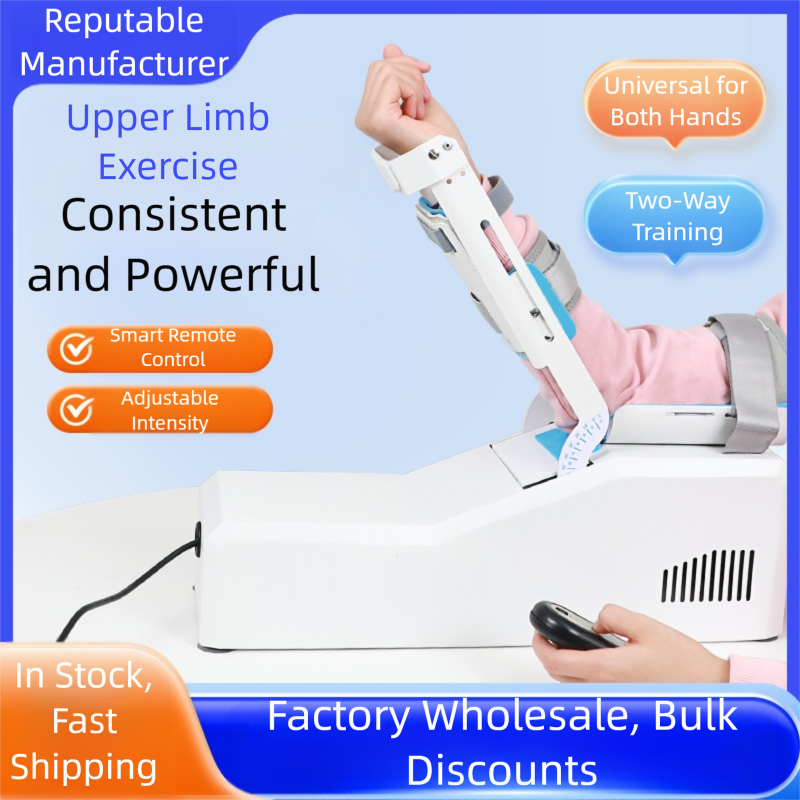
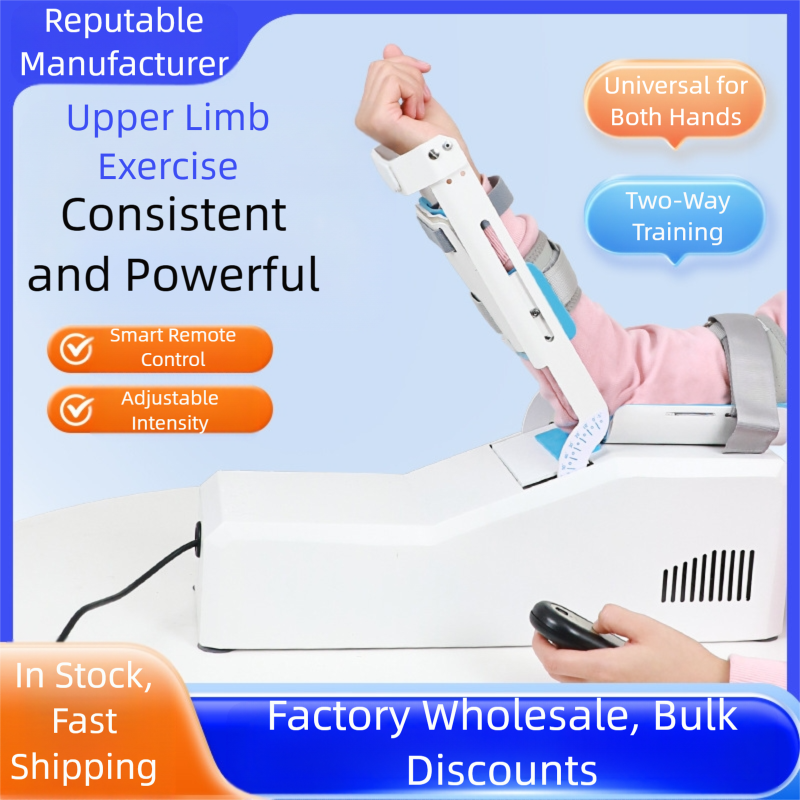
Electric elbow joint rehabilitation trainer
$268.00 USD
Apskaičiuokite siuntimo mokestį atsiskaitydami
Kiekis
Product Introduction
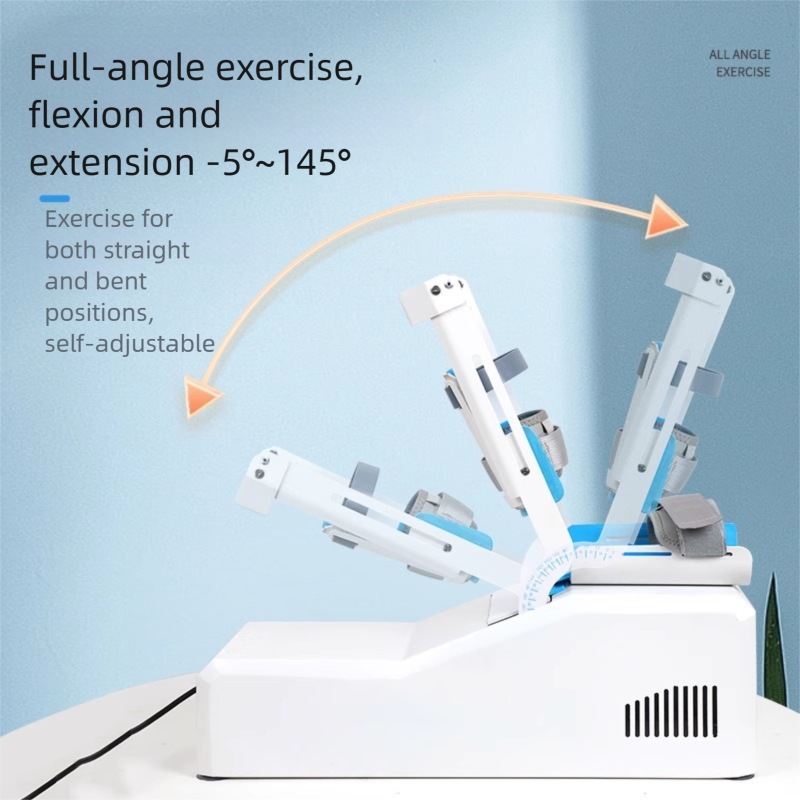
This motor-driven electric elbow rehab trainer—rooted in modern rehabilitation medicine—offers standardized passive, active-assisted, and active-resisted training modes for those with elbow movement disorders.
Product specification
| Material | Fabric | Product category | Protective gear |
| Specification | Uniform code | Applicable parts | Hand |
Target audience of the product
- Postoperative patients: such as those after internal fixation of elbow fractures, elbow joint replacement surgery, ligament reconstruction surgery, etc.
- People with sports injuries: such as tennis elbow, golfer's elbow, tendinitis and other chronic strain injuries.
- Patients with neurological diseases: such as elbow joint spasm and muscle weakness caused by stroke and brain trauma.
- Arthritis patients: Joint movement disorders caused by rheumatoid arthritis, osteoarthritis, etc.
- Long-term immobilized individuals: People whose elbow joint function declines due to reasons such as plaster immobilization.
How to Use
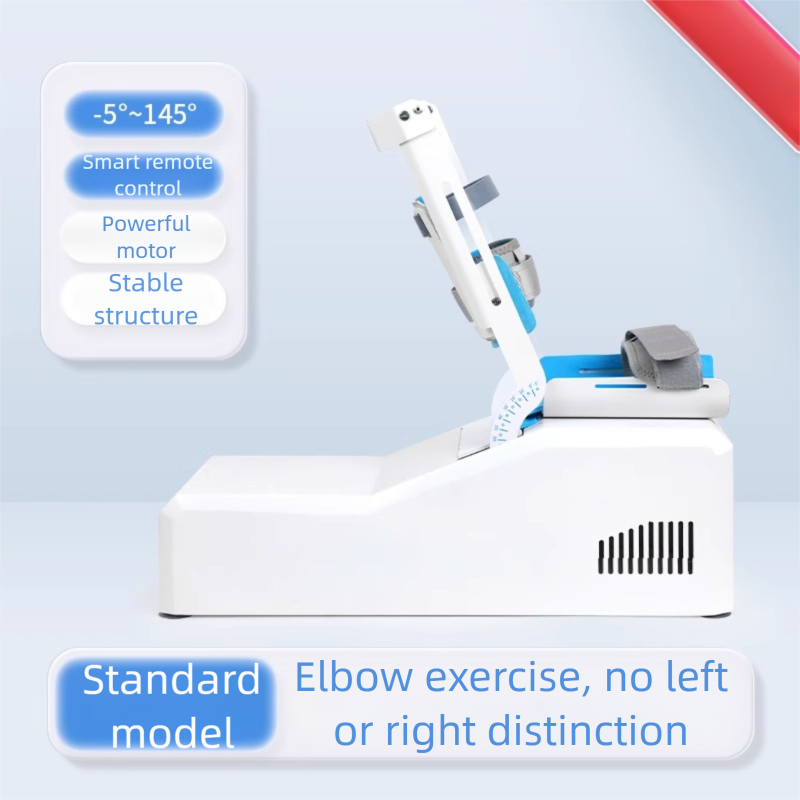
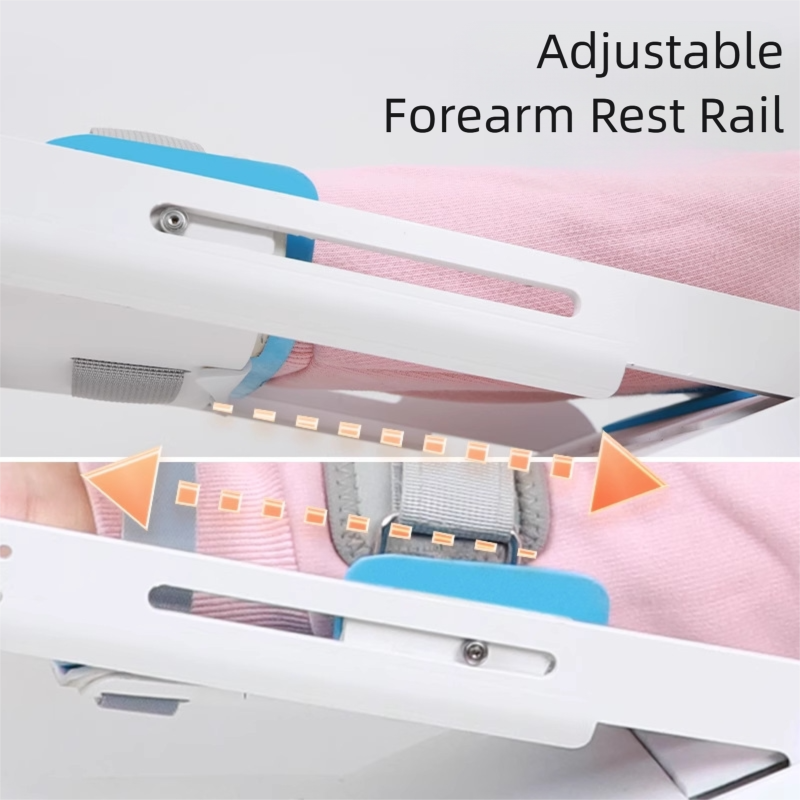
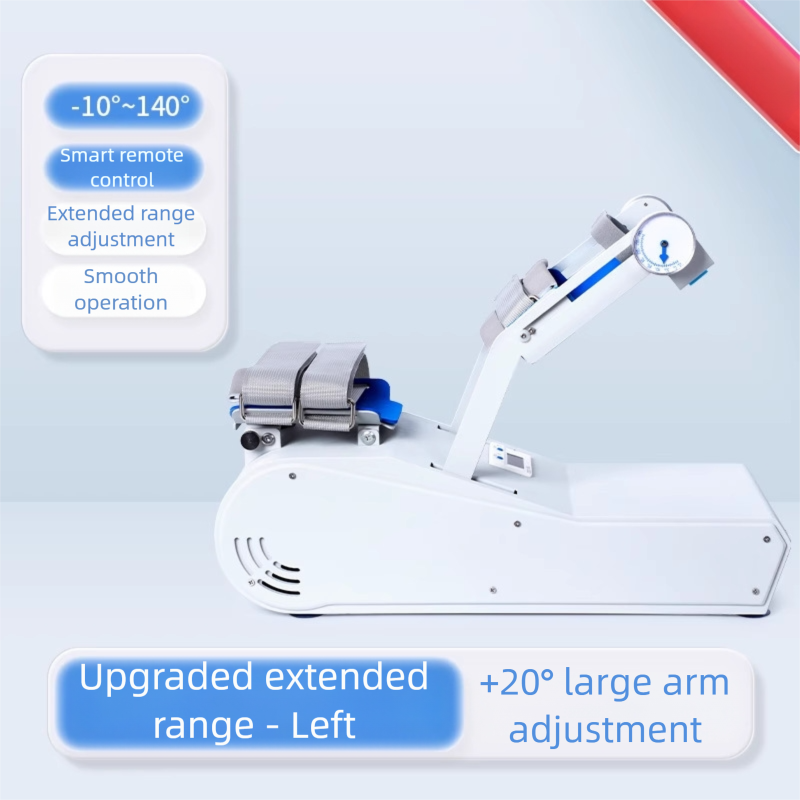
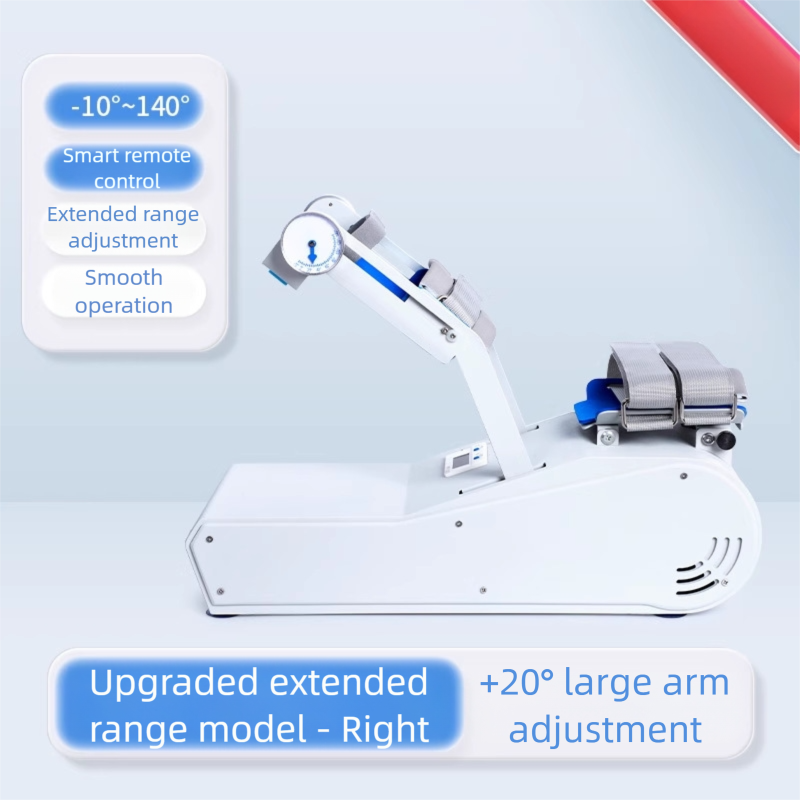
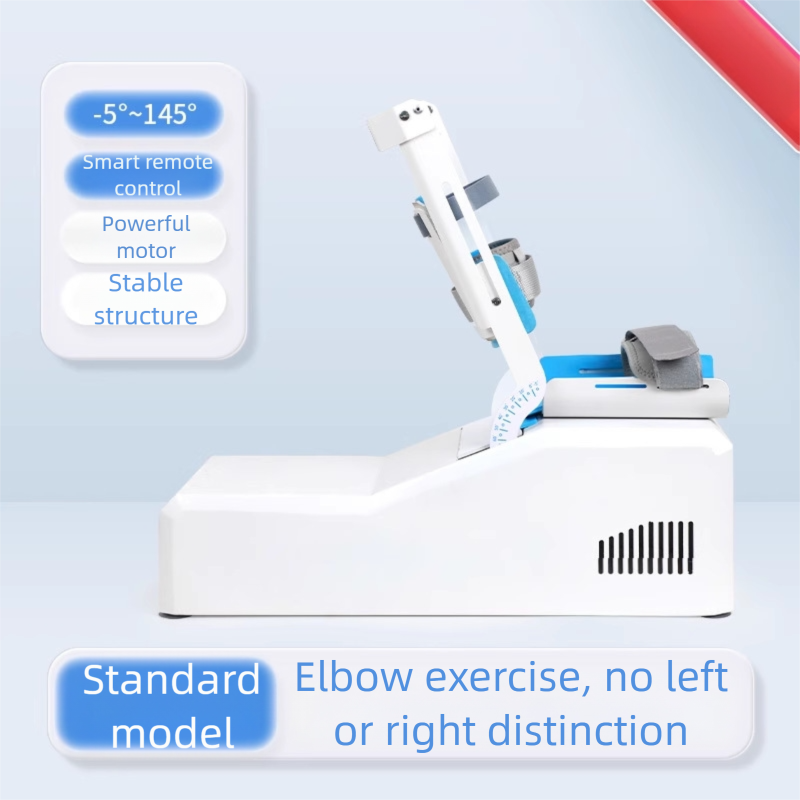
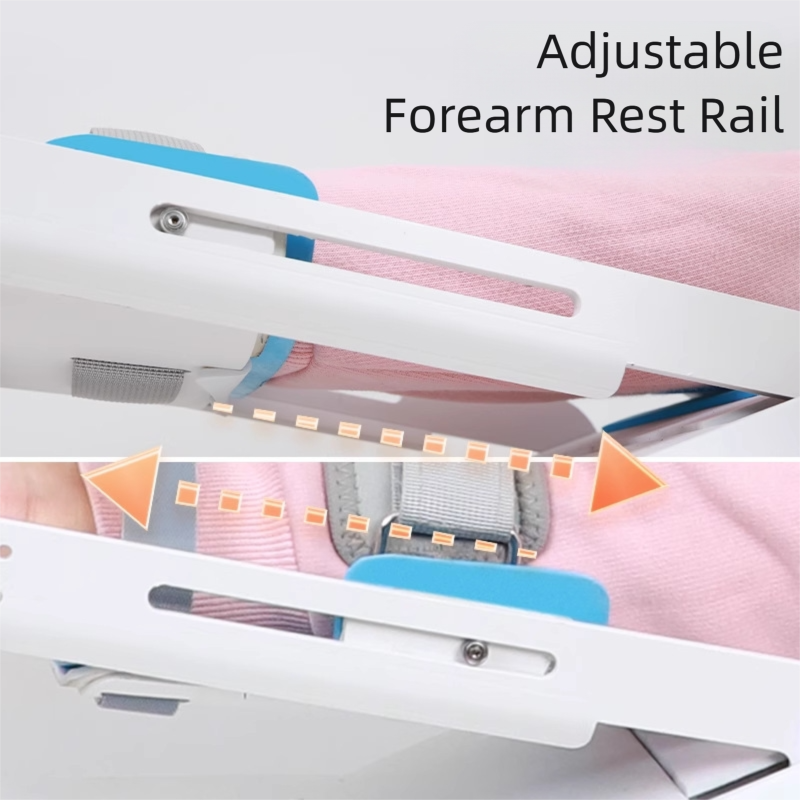
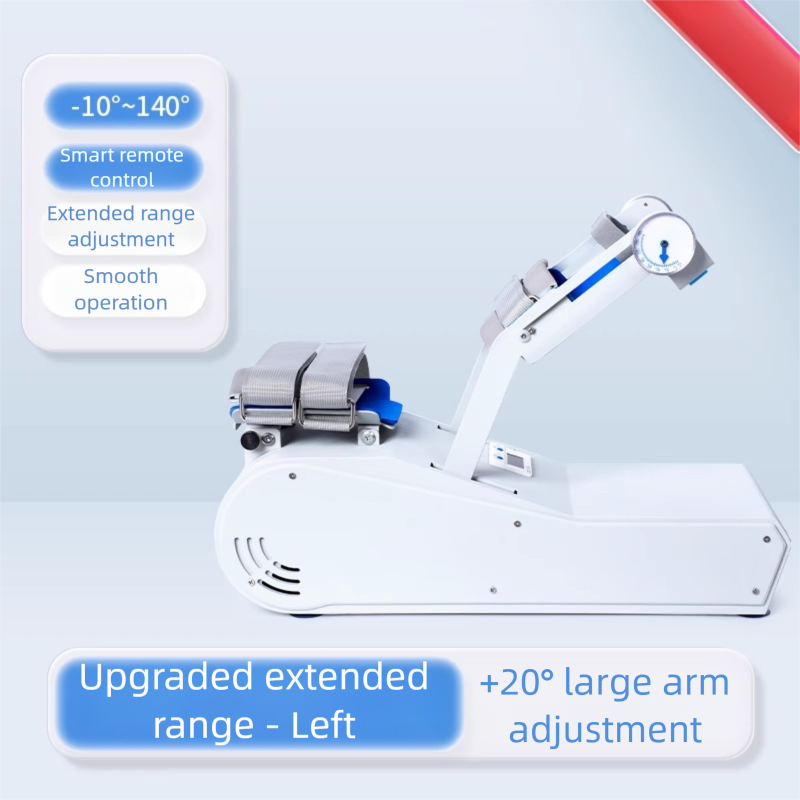
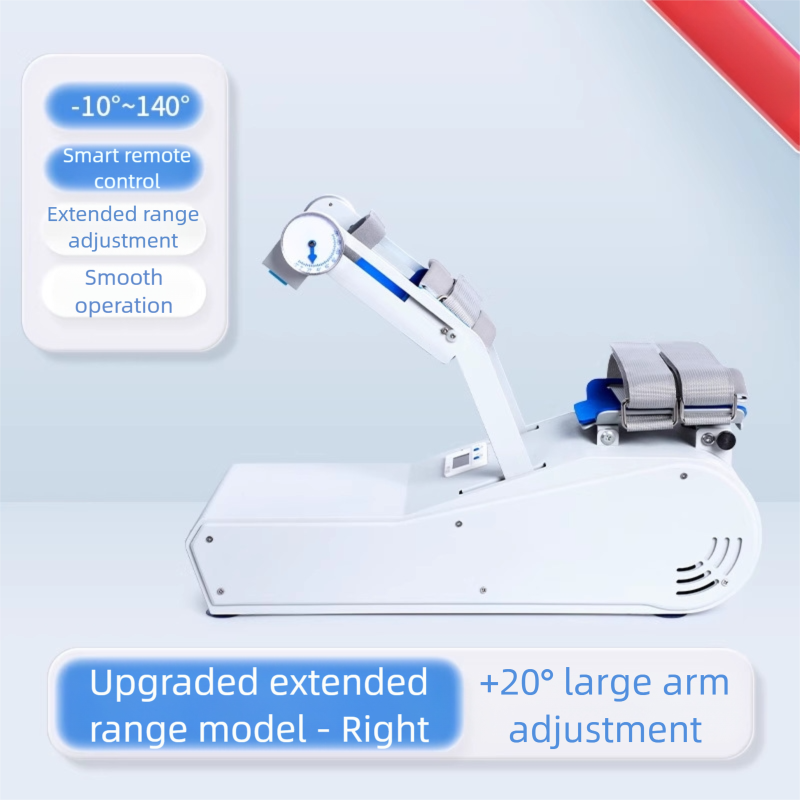
- Secure the Elbow:Position your elbow on the trainer, fasten the straps to ensure a stable, comfortable fit (works for either left or right elbow).
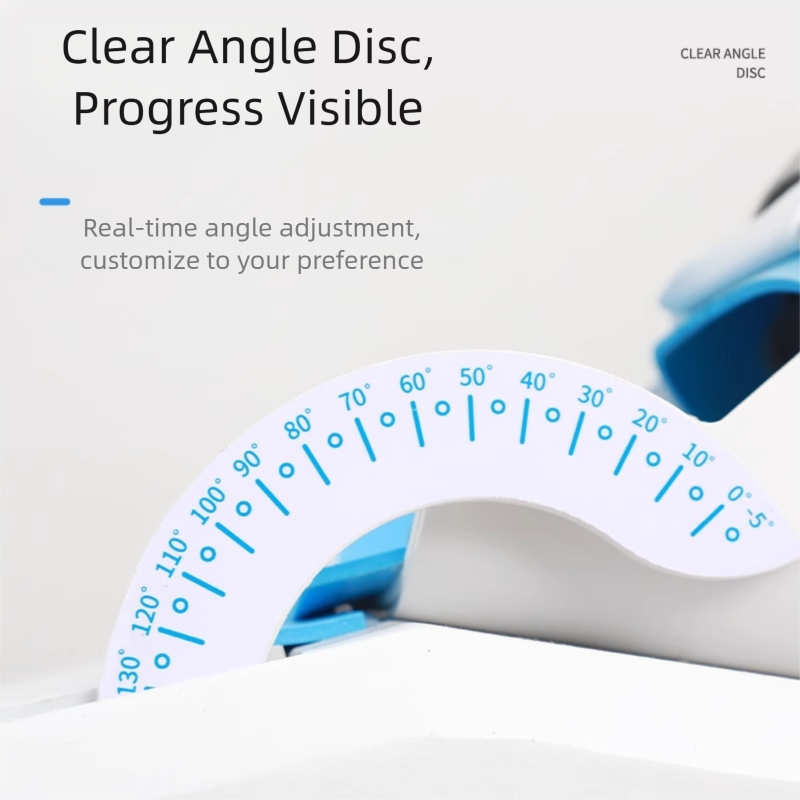
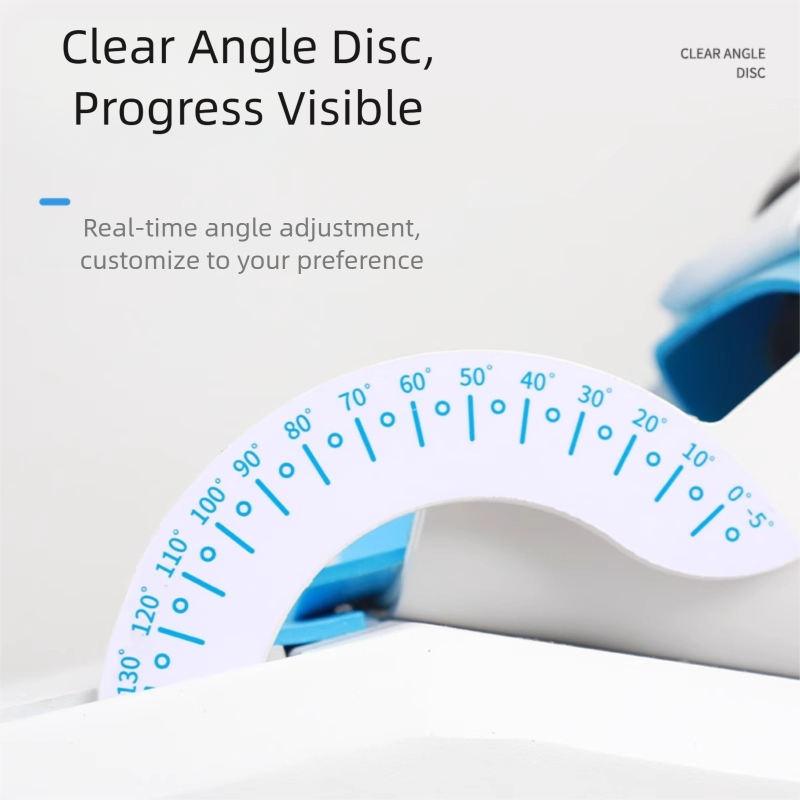
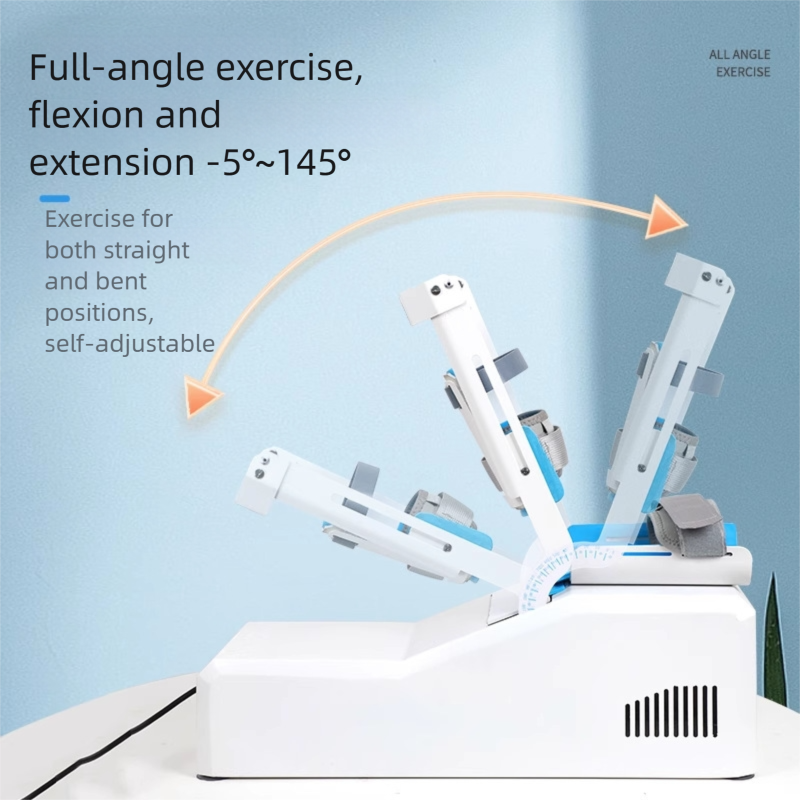
- Adjust Settings:Use the smart remote to set the desired motion range (-5°~145°) based on your rehabilitation needs.
- Start Training:Power on the device; the powerful motor will drive smooth elbow movements. Follow your therapist’s guidance for session duration.
- End & Detach:Turn off the device, loosen the straps, and gently remove your elbow from the trainer.
Safety tips
- Use as directed by a doctor: It must be used under the guidance of a doctor or rehabilitation therapist. Incorrect training angles, speeds or modes may cause secondary injuries.
- Gradual progress: Recovery is a slow process. Do not be eager for quick results and suddenly increase the intensity.
- If severe pain occurs during training, stop immediately and consult a professional.
- Regular maintenance: Check if the screws of the equipment are loose and if the transmission is smooth to ensure safe use.
You may also like
WHAT CAN WE OFFER YOU?
On your road to recovery, we walk with you.
VIEW MORE