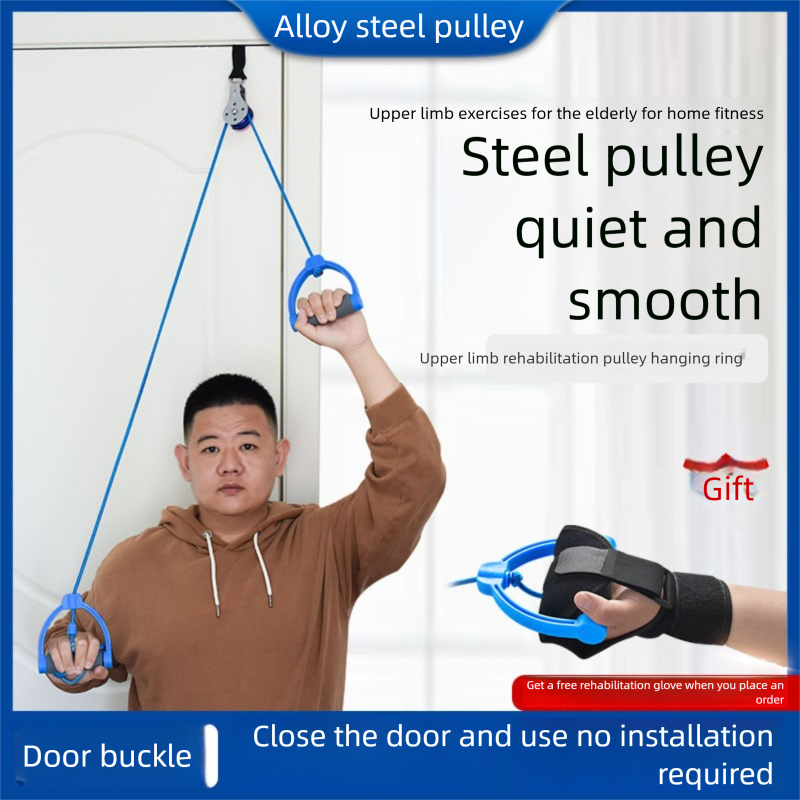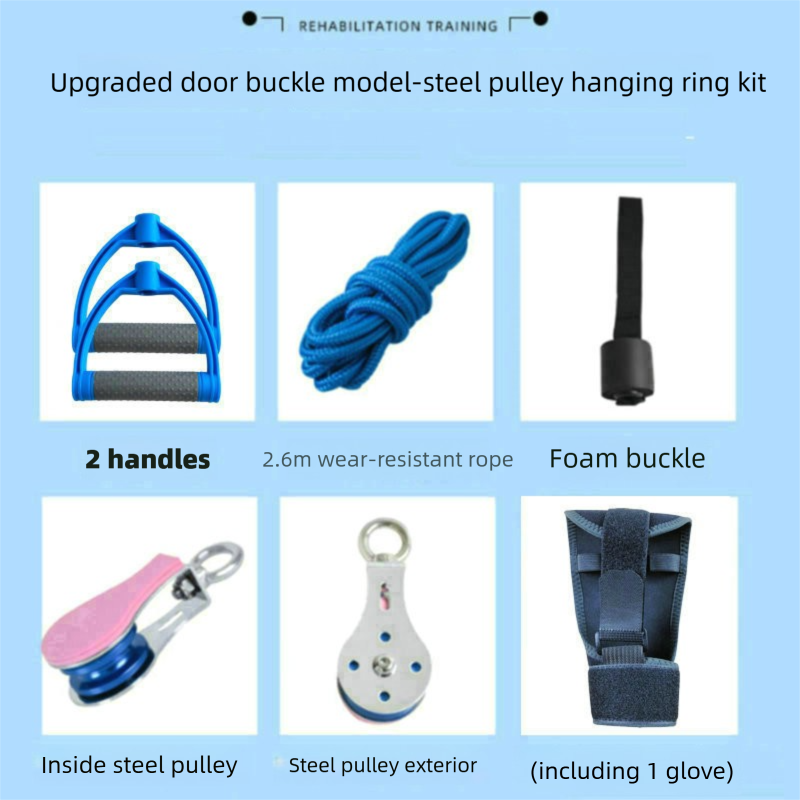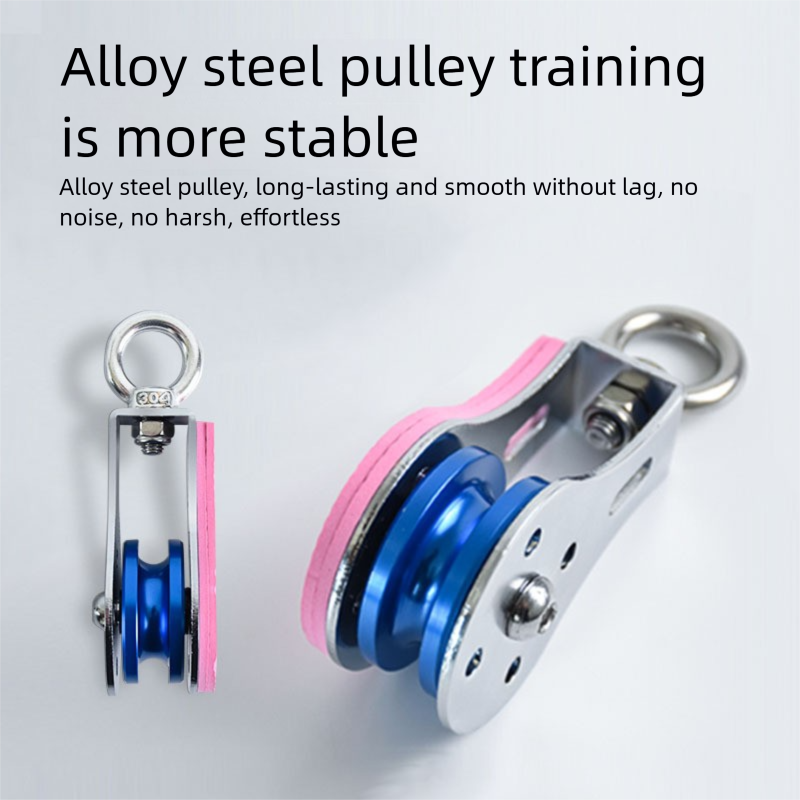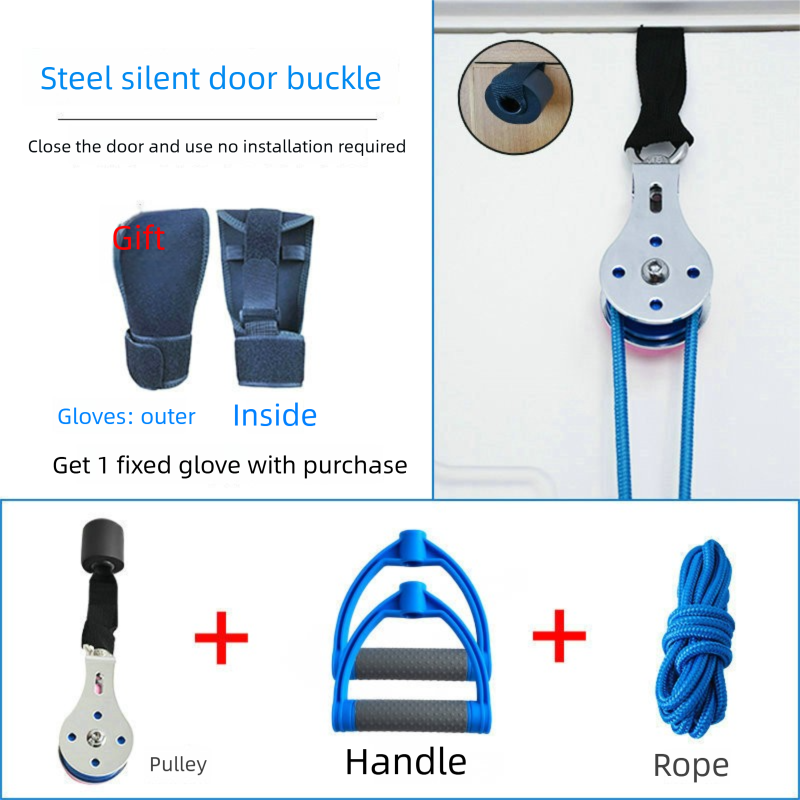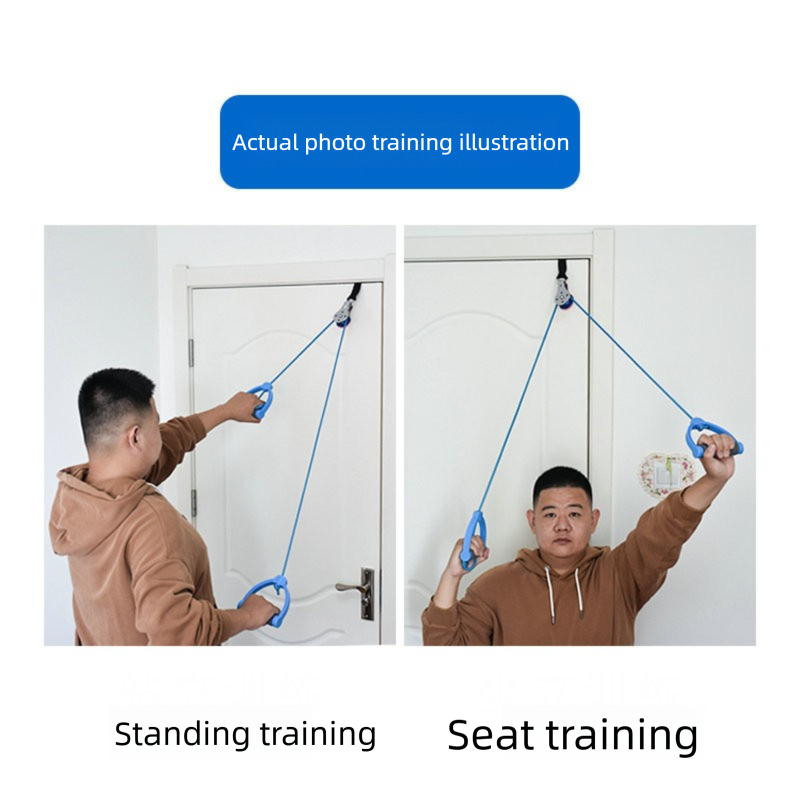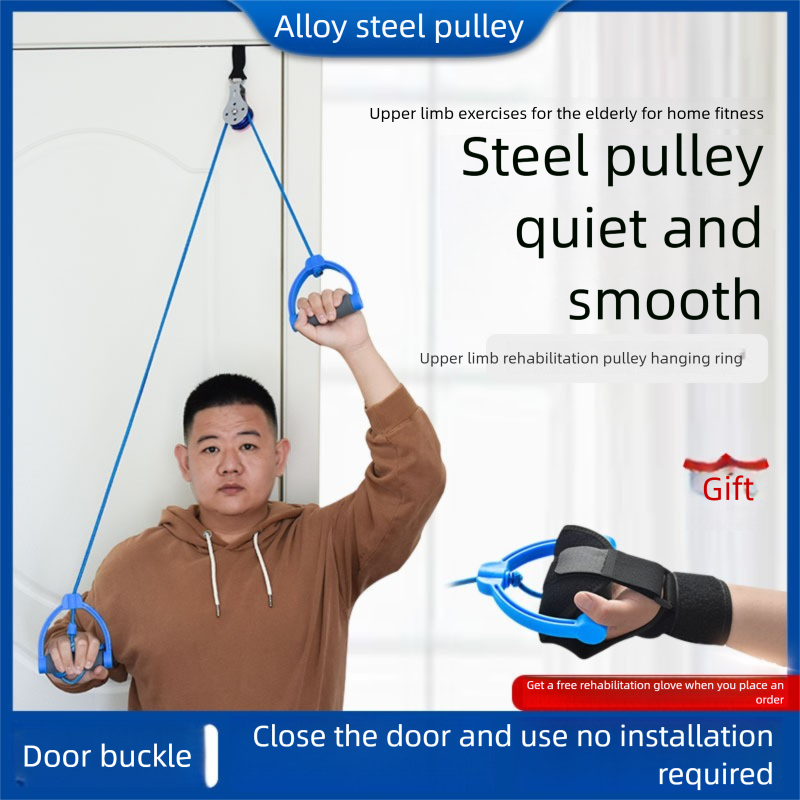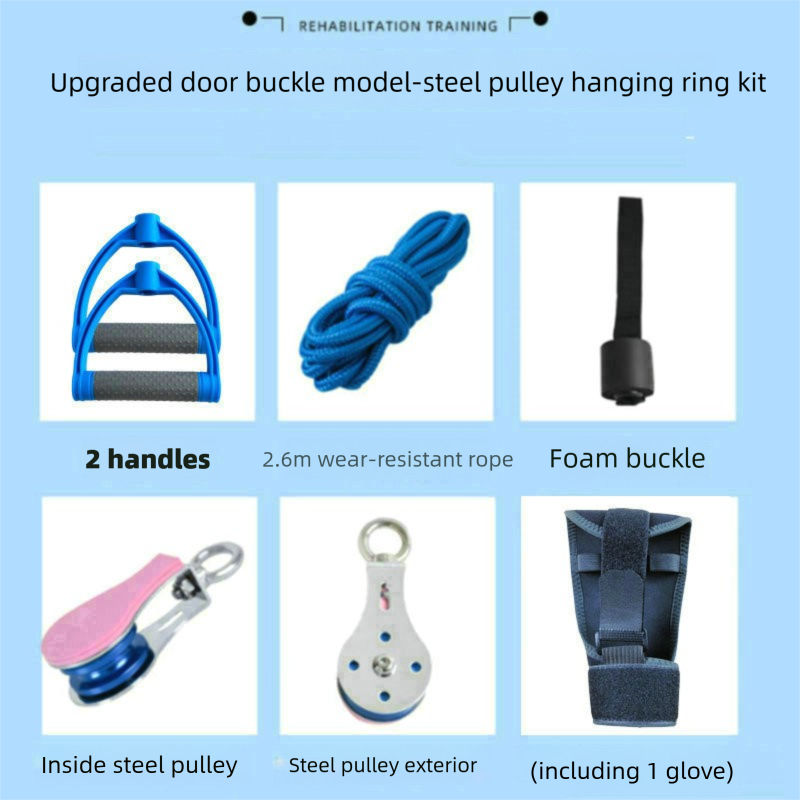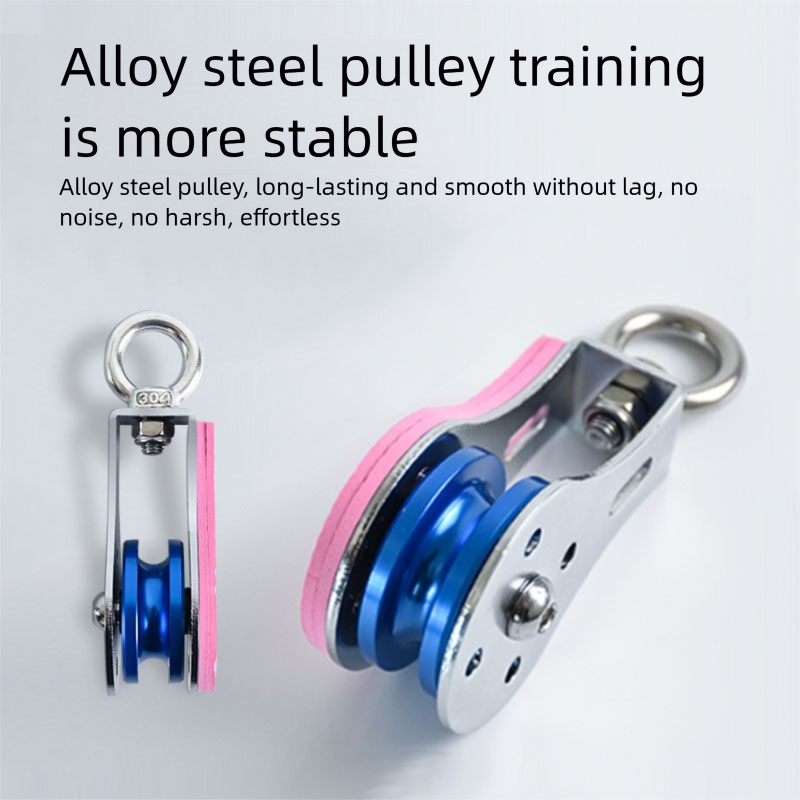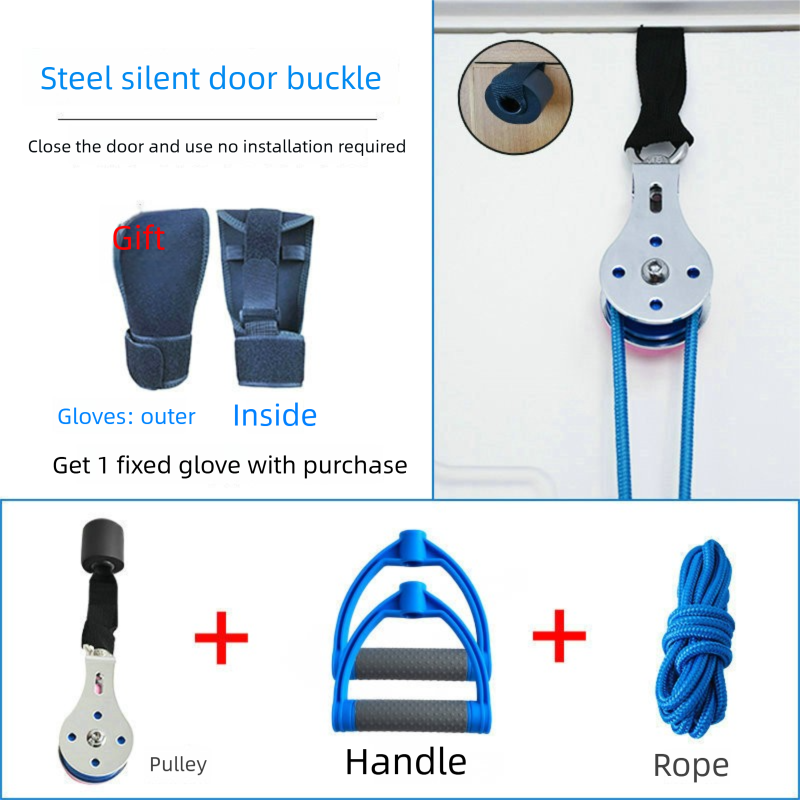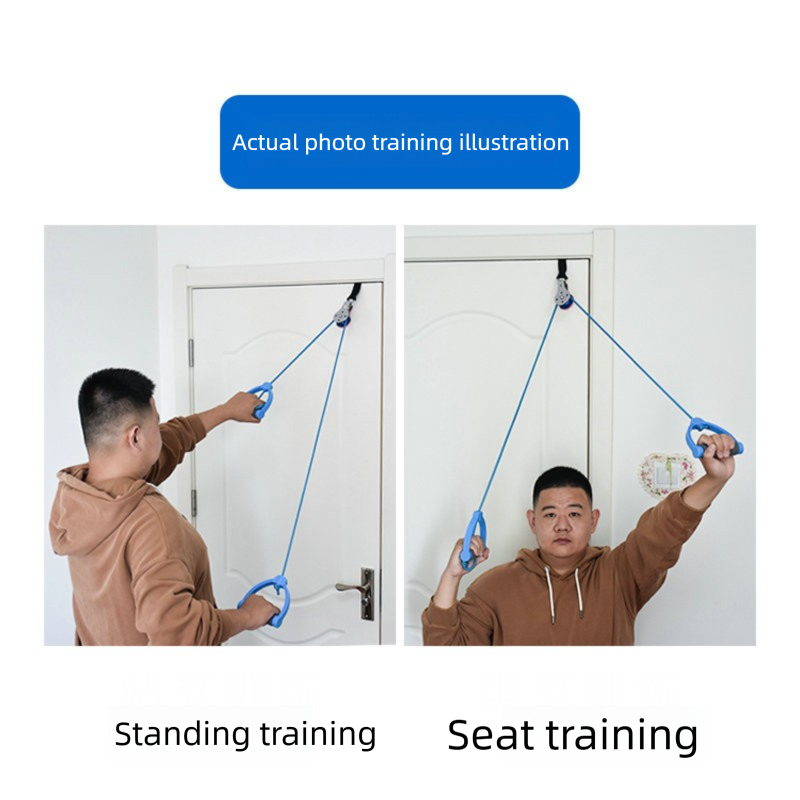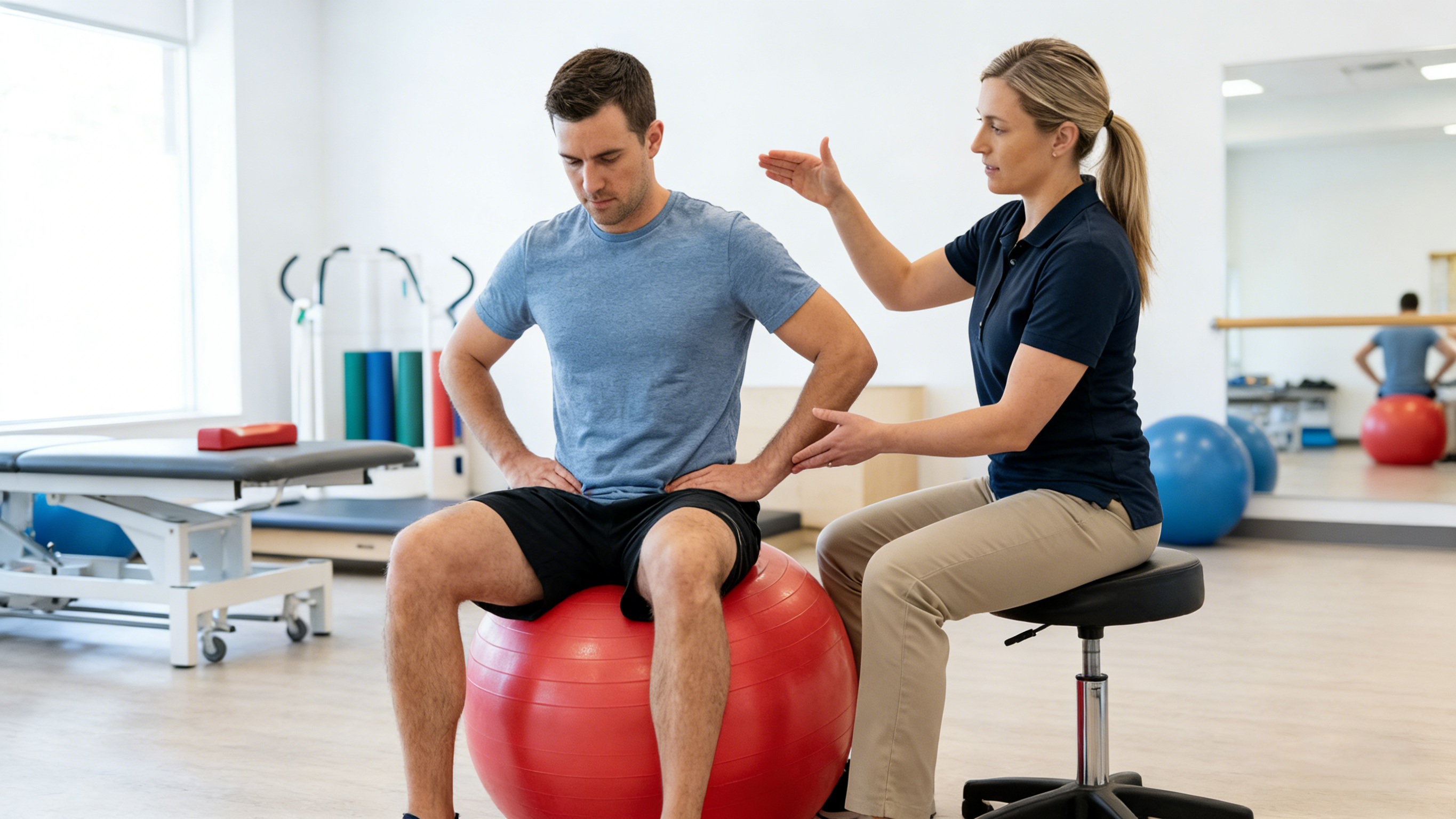

Stroke Hemiplegia Upper Limb Rehab Pulley
  • アイスランド(ISK Kr)
  • アイルランド(EUR €)
  • アゼルバイジャン(AZN ман)
  • アセンション島(SHP £)
  • アフガニスタン(AFN Af)
  • アメリカ合衆国(USD $)
  • アメリカ領サモア(USD $)
  • アラブ首長国連邦(AED د.إ)
  • アルジェリア(DZD د.ج)
  • アルゼンチン(USD $)
  • アルバ(AWG ƒ)
  • アルバニア(ALL L)
  • アルメニア(AMD Դ)
  • アンギラ(XCD $)
  • アンゴラ(USD $)
  • アンティグア・バーブーダ(XCD $)
  • アンドラ(EUR €)
  • イエメン(YER ﷼)
  • イギリス(GBP £)
  • イギリス領インド洋地域(USD $)
  • イスラエル(ILS ₪)
  • イタリア(EUR €)
  • イラク(USD $)
  • インド(INR ₹)
  • インドネシア(IDR Rp)
  • ヴァージン諸島(USD $)
  • ウォリス・フツナ(XPF ₣)
  • ウガンダ(UGX Sh)
  • ウクライナ(UAH ₴)
  • ウズベキスタン(UZS лв)
  • ウルグアイ(UYU $)
  • エクアドル(USD $)
  • エジプト(EGP E£)
  • エストニア(EUR €)
  • エスワティニ(USD $)
  • エチオピア(ETB Br)
  • エリトリア(ERN Nfk)
  • エルサルバドル(USD $)
  • オーストラリア(AUD AU$)
  • オーストリア(EUR €)
  • オーランド諸島(EUR €)
  • オマーン(OMR ر.ع.)
  • オランダ(EUR €)
  • オランダ領アンティル(USD $)
  • カーボベルデ(CVE $)
  • ガイアナ(GYD $)
  • カザフスタン(KZT 〒)
  • カタール(QAR ر.ق)
  • カナダ(CAD $)
  • ガボン(XOF Fr)
  • カメルーン(XAF ₣)
  • ガンビア(GMD D)
  • カンボジア(KHR ៛)
  • ガーナ(GHS ₵)
  • ガーンジー(GBP £)
  • ギニア(GNF ₣)
  • ギニアビサウ(XOF Fr)
  • キプロス(EUR €)
  • ギリシャ(EUR €)
  • キリバス(AUD AU$)
  • キルギスタン(KGS С̲)
  • グアテマラ(GTQ Q)
  • グアドループ(EUR €)
  • グアム(USD $)
  • クウェート(KWD دينار)
  • クック諸島(NZD $)
  • グリーンランド(DKK kr)
  • クリスマス島(AUD AU$)
  • グレナダ(XCD $)
  • クロアチア(EUR €)
  • ケイマン諸島(KYD $)
  • ケニア(KES Sh)
  • コートジボワール(XOF Fr)
  • ココス(キーリング)諸島(AUD AU$)
  • コスタリカ(CRC ₡)
  • コモロ(KMF Fr)
  • コロンビア(USD $)
  • コンゴ - キンシャサ(CDF ₣)
  • コンゴ - ブラザビル(XAF ₣)
  • サウジアラビア(SAR ر.س)
  • サウスジョージア・サウスサンドウィッチ諸島(GBP £)
  • サモア(WST T)
  • サントメ・プリンシペ(USD $)
  • ザンビア(USD $)
  • サンピエール島・ミクロン島(EUR €)
  • サンマリノ(EUR €)
  • シエラレオネ(SLL Le)
  • ジブチ(DJF ₣)
  • ジブラルタル(GBP £)
  • ジャージー(GBP £)
  • ジャマイカ(JMD $)
  • ジョージア(USD $)
  • シンガポール(SGD S$)
  • ジンバブエ(USD $)
  • スイス(CHF ₣)
  • スヴァールバル諸島・ヤンマイエン島(USD $)
  • スウェーデン(SEK kr)
  • スーダン(SDG ج.س.)
  • スペイン(EUR €)
  • スリナム(USD $)
  • スリランカ(LKR Rs)
  • スロバキア(EUR €)
  • スロベニア(EUR €)
  • セーシェル(USD $)
  • セネガル(XOF Fr)
  • セルビア(RSD din)
  • セントクリストファー・ネービス(XCD $)
  • セントビンセントおよびグレナディーン諸島(XCD $)
  • セントヘレナ(SHP £)
  • セントマーチン(EUR €)
  • セントルシア(XCD $)
  • ソマリア(SOS Sh)
  • ソロモン諸島(SBD Si$)
  • タークス・カイコス諸島(USD $)
  • タイ(THB ฿)
  • タジキスタン(TJS ЅМ)
  • タンザニア(TZS Sh)
  • チェキア(CZK Kč)
  • チャド(XAF ₣)
  • チュニジア(USD $)
  • チリ(USD $)
  • ツバル(AUD AU$)
  • デンマーク(DKK kr)
  • ドイツ(EUR €)
  • トーゴ(XOF Fr)
  • トケラウ(NZD $)
  • ドミニカ(XCD $)
  • ドミニカ共和国(DOP $)
  • トリスタンダクーニャ(GBP £)
  • トリニダード・トバゴ(TTD TTD)
  • トルクメニスタン(TMT m)
  • トルコ(TRY ₤)
  • トンガ(TOP T$)
  • ナイジェリア(NGN ₦)
  • ナウル(AUD AU$)
  • ナミビア(USD $)
  • ニウエ(NZD $)
  • ニカラグア(NIO C$)
  • ニジェール(XOF Fr)
  • ニューカレドニア(XPF ₣)
  • ニュージーランド(NZD $)
  • ネパール(NPR ₨)
  • ノーフォーク島(AUD AU$)
  • ノルウェー(USD $)
  • ハード島・マクドナルド諸島(AUD AU$)
  • ハイチ(USD $)
  • パキスタン(PKR ₨)
  • バチカン市国(EUR €)
  • パナマ(USD $)
  • バヌアツ(VUV Vt)
  • バハマ(BSD BSD)
  • パプアニューギニア(PGK K)
  • バミューダ(BMD BD$)
  • パラオ(USD $)
  • パラグアイ(PYG ₲)
  • バルバドス(BBD BBD)
  • パレスチナ自治区(ILS ₪)
  • ハンガリー(HUF Ft)
  • バングラデシュ(BDT ৳)
  • バーレーン(BHD .د.ب)
  • ピトケアン諸島(NZD $)
  • フィジー(FJD FJ$)
  • フィリピン(PHP ₱)
  • フィンランド(EUR €)
  • プエルトリコ(USD $)
  • フェロー諸島(DKK kr)
  • フォークランド諸島(FKP FKP)
  • ブラジル(USD $)
  • フランス(EUR €)
  • フランス領ギアナ(EUR €)
  • フランス領ポリネシア(XPF ₣)
  • フランス領南方・南極地域(EUR €)
  • ブルガリア(BGN лв)
  • ブルキナファソ(XOF Fr)
  • ブルネイ(BND B$)
  • ブルンジ(BIF ₣)
  • ブータン(BTN Nu.)
  • ブーベ島(USD $)
  • ベトナム(VND ₫)
  • ベナン(XOF Fr)
  • ベネズエラ(USD $)
  • ベラルーシ(USD $)
  • ベリーズ(BZD Be)
  • ペルー(PEN S/)
  • ベルギー(EUR €)
  • ボスニア・ヘルツェゴビナ(BAM КМ)
  • ボツワナ(BWP P)
  • ボリビア(BOB Bs.)
  • ポルトガル(EUR €)
  • ホンジュラス(HNL L)
  • ポーランド(PLN zł)
  • マーシャル諸島(USD $)
  • マカオ特別行政区(MOP P)
  • マダガスカル(USD $)
  • マヨット(EUR €)
  • マラウイ(MWK MK)
  • マリ(XOF Fr)
  • マルタ(EUR €)
  • マルティニーク(EUR €)
  • マレーシア(MYR RM)
  • マン島(GBP £)
  • ミクロネシア(USD $)
  • ミャンマー(ビルマ)(MMK K)
  • メキシコ(USD $)
  • モーリシャス(MUR ₨)
  • モーリタニア(USD $)
  • モザンビーク(USD $)
  • モナコ(EUR €)
  • モルディブ(MVR ރ.)
  • モルドバ(MDL L)
  • モロッコ(MAD د.م.)
  • モンゴル(MNT ₮)
  • モンテネグロ(EUR €)
  • モントセラト(XCD $)
  • ヨルダン(USD $)
  • ラオス(LAK ₭)
  • ラトビア(EUR €)
  • リトアニア(EUR €)
  • リビア(USD $)
  • リヒテンシュタイン(CHF ₣)
  • リベリア(USD $)
  • ルーマニア(RON L)
  • ルクセンブルク(EUR €)
  • ルワンダ(RWF ₣)
  • レソト(USD $)
  • レバノン(LBP ل.ل)
  • レユニオン島(EUR €)
  • ロシア(USD $)
  • 英領バージン諸島(USD $)
  • 韓国(KRW ₩)
  • 香港特別行政区(TRY ₤)
  • 西サハラ(MAD د.م.)
  • 赤道ギニア(XAF ₣)
  • 台湾(TWD NT$)
  • 中央アフリカ共和国(XAF ₣)
  • 中国(CNY ¥)
  • 東ティモール(USD $)
  • 南アフリカ(USD $)
  • 南極大陸(USD $)
  • 日本(JPY ¥)
  • 米領有小離島(USD $)
  • 北マケドニア(MKD ден)
  • 北マリアナ諸島(USD $)
Rehabilitation training device for hemiplegic upper limbs after stroke

Stroke Hemiplegia Upper Limb Rehab Pulley

A medical rehabilitation device designed for patients who have suffered hemiplegia after a stroke to restore the function and motor control of the upper limbs (arms, hands).
$68.00 USD $0.00 USD

🟢 Product parameters

Applicable scenarios Fitness equipment Specification Silent door deduction
Weight (g) 500    

🟢 Main features and functions

  • Passive training mode: For patients with no active movement ability at all, the affected limb is driven by an electric motor or mechanical structure to perform regular, full-joint range reciprocating movements to prevent muscle atrophy and joint contracture.
  • Active assistance training mode: When a patient experiences weak muscle strength, the device detects the patient's movement intention through sensors, provides assistance, and "rewards" any minor active effort, greatly enhancing the confidence in recovery.
  • Active resistance training mode: For patients with a certain degree of active movement ability, the equipment provides adjustable resistance for strength strengthening training.
  • Task-oriented and gamification: Modern devices often integrate software systems, which increase the fun and engagement of training by simulating real-life tasks (such as window cleaning and balloon popping) or interactive games. This is the key to improving rehabilitation effects.
  • Data monitoring and feedback: Record data such as training time, joint range of motion, force application intensity, and number of completions to provide objective assessment of rehabilitation progress for therapists and patients.
  • Safety design: Equipped with safety mechanisms such as emergency stop, movement range limit, and overload protection, it is suitable for possible conditions such as convulsions and sensory dullness in patients.

🟢 Core advantage

  • Scientifically effective: Based on modern rehabilitation medicine theories (such as compulsory use therapy and task-oriented training), the training efficiency is much higher than that of unguided autonomous activities.
  • Motivation-driven: Gamification and immediate feedback mechanisms can significantly enhance patients' compliance and overcome the boredom and frustration during the rehabilitation process.
  • Reduce the burden on therapists: Under the guidance of therapists, patients can carry out some self-training to improve the rehabilitation efficiency per unit time.
  • Feasibility of home rehabilitation: Extending high-intensity repetitive training from hospitals to homes is the key to continuous rehabilitation.

⚠Precautions and limitations

  • Non-substitutability: It cannot completely replace the assessment of professional rehabilitation therapists and one-on-one manual therapy. It is the best auxiliary tool.
  • Individual differences: The therapist must select the most suitable equipment and plan based on the patient's specific stage, degree of spasm, and cognitive status.
  • Cost issue: High-tech products are expensive, and economic affordability and medical insurance policies need to be taken into consideration.
  • Learning curve: Some products are complex to operate and require patients or their families to learn how to use them.

🟢 Summary

The hemiplegic upper limb rehabilitation trainer for stroke is a specialized tool in the field of neurorehabilitation. Its value lies in transforming scientific rehabilitation principles into quantifiable, sustainable and attractive daily training. The key to success lies in close cooperation with professional medical personnel, achieving a closed loop of "assessment - training - re-assessment", and ultimately helping patients regain upper limb function to the greatest extent and improve their quality of life.