 Marie Claire.and 34,342 Customers trust rehabify™.
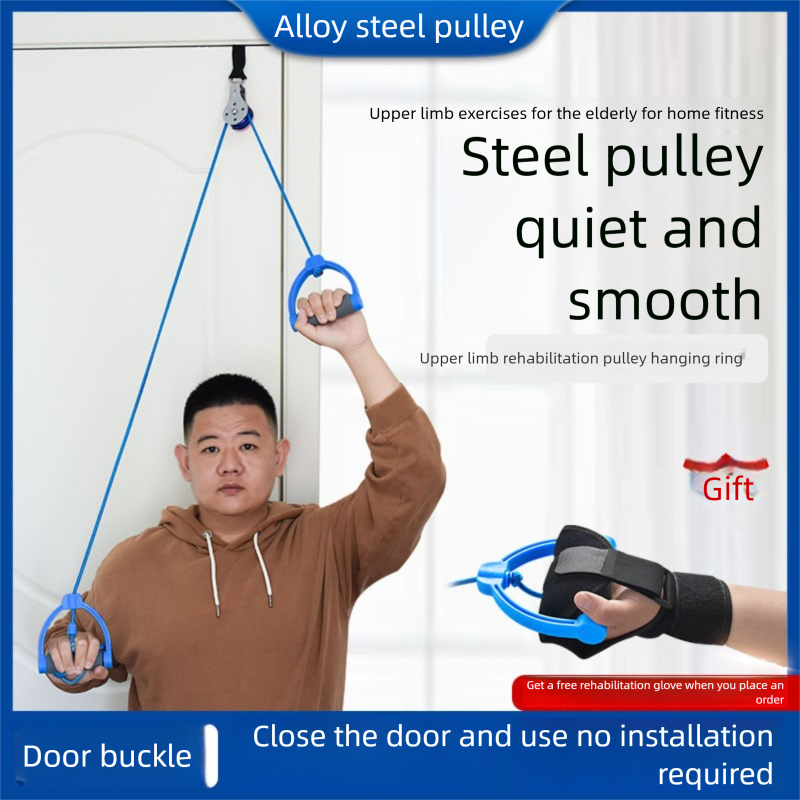
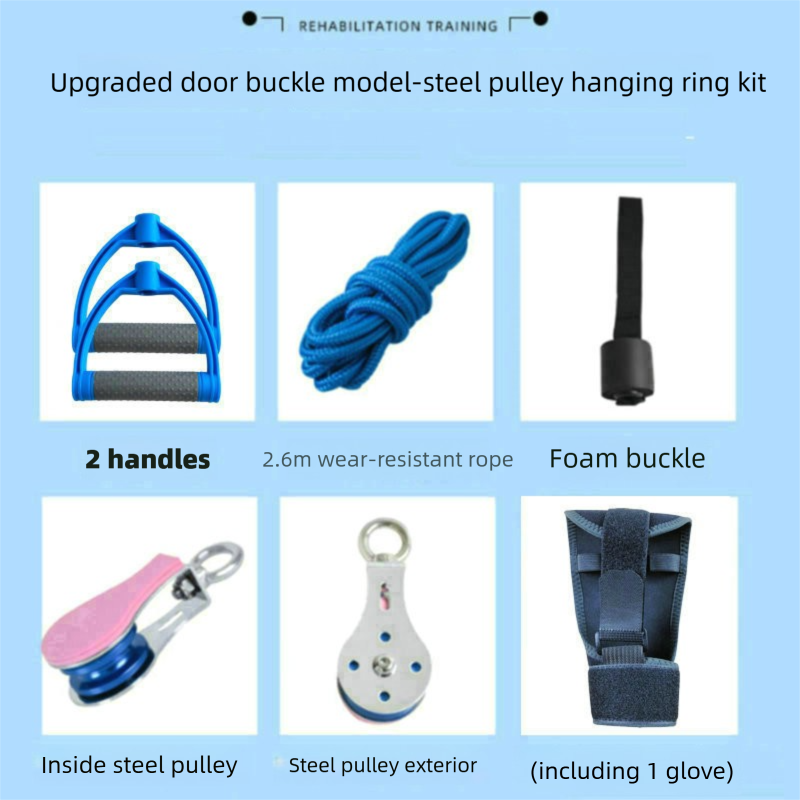
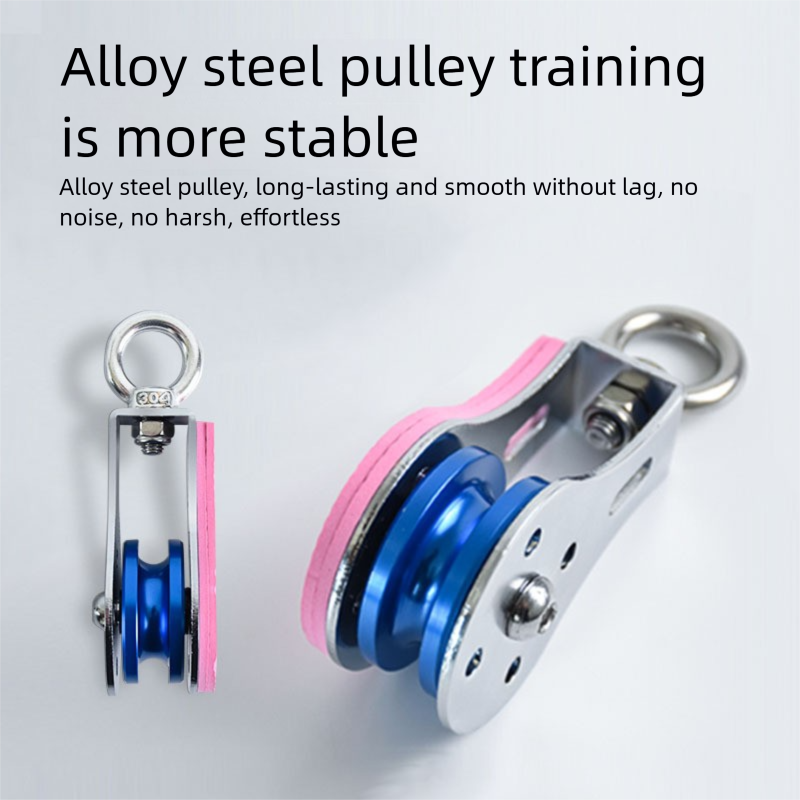
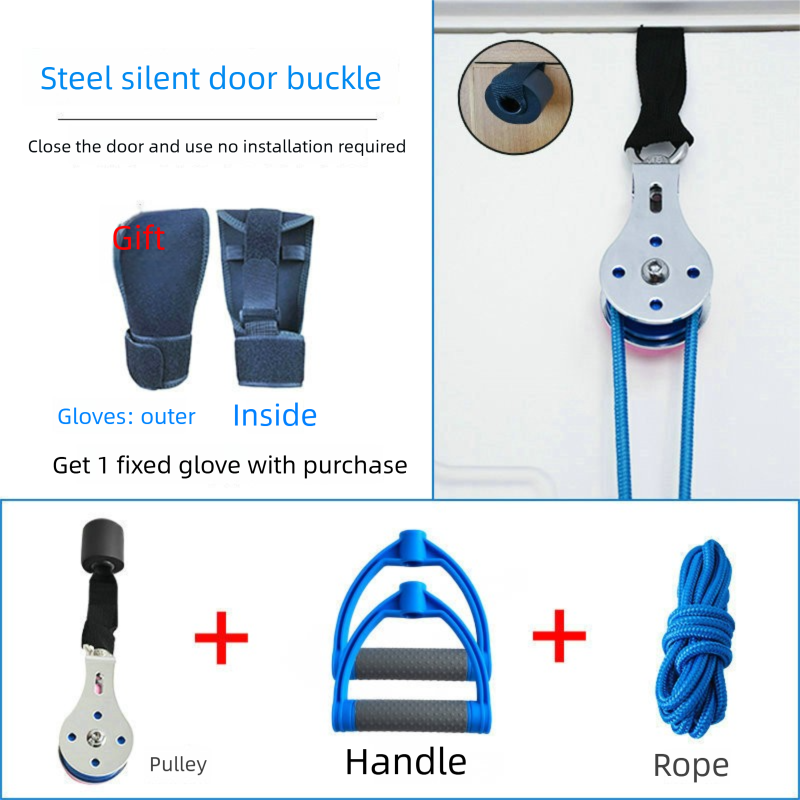
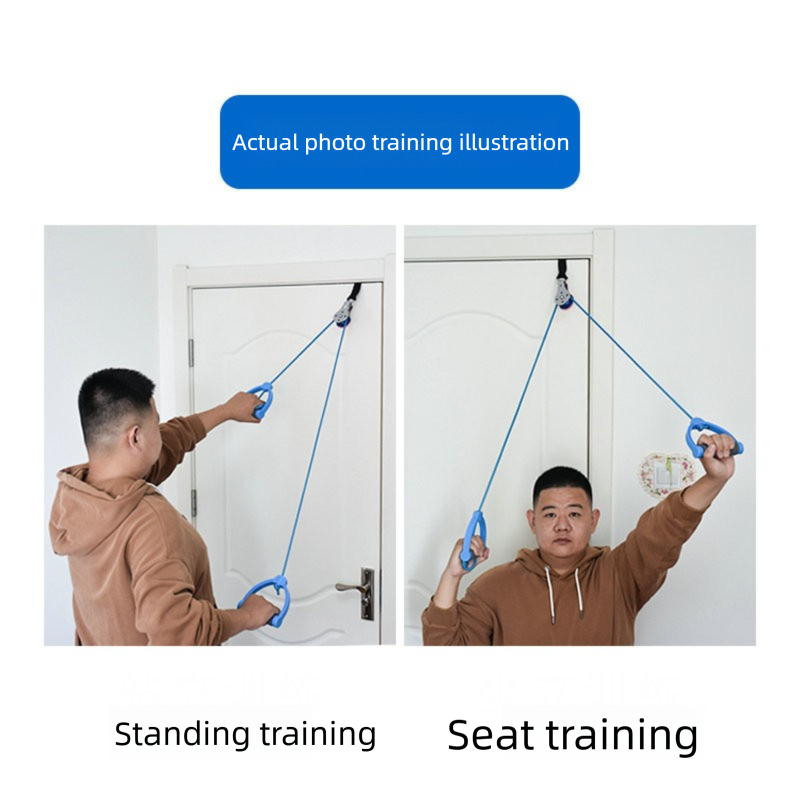
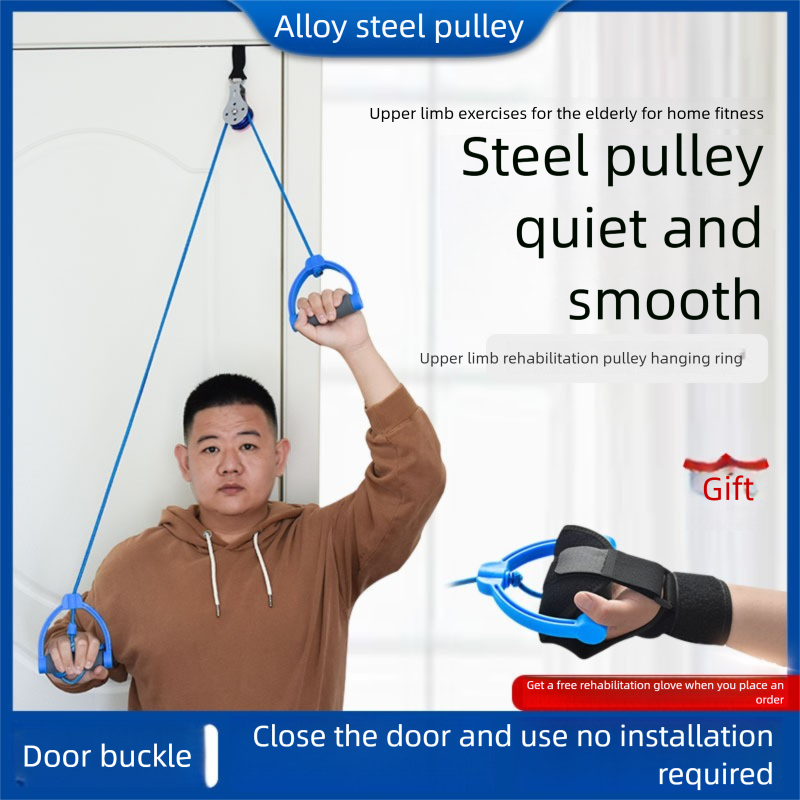
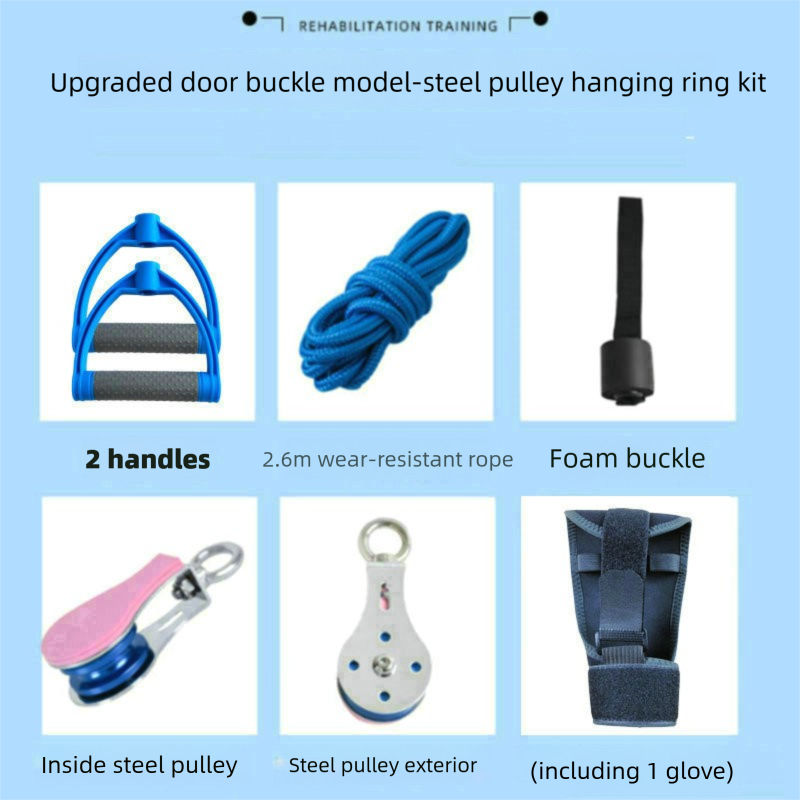
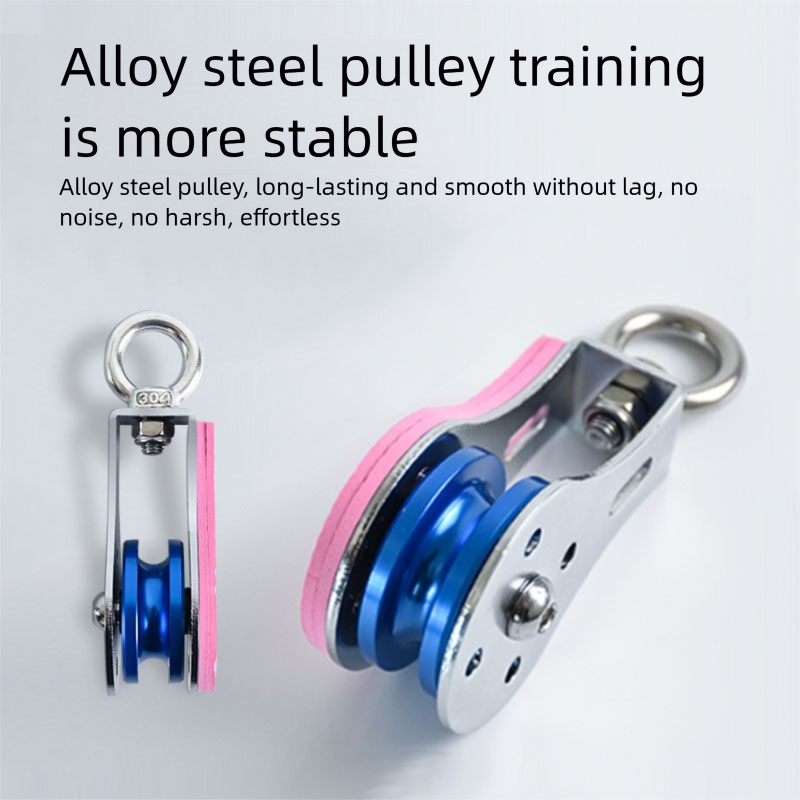
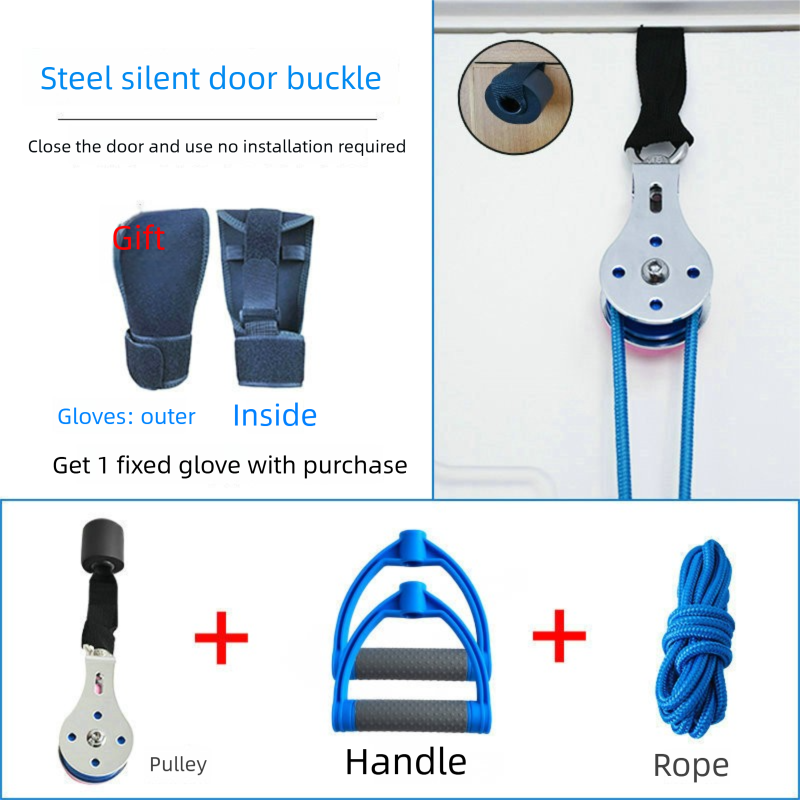
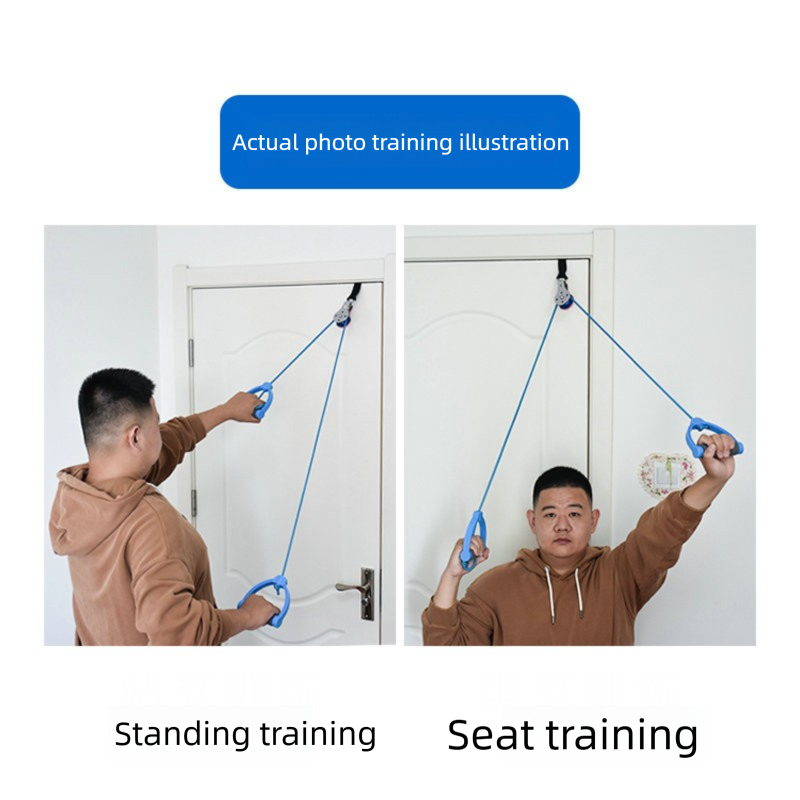
Stroke Hemiplegia Upper Limb Rehab Pulley
Product Introduction
This Hemiplegic Upper Limb Rehabilitation Trainer is a specialized neurorehabilitation device designed for stroke survivors and patients with upper limb motor dysfunction.
By integrating passive movement, active-assisted training, and active resistance modes, the device supports patients across different recovery stages — from complete loss of voluntary movement to progressive strength rebuilding.
With task-oriented training and gamified interaction, it transforms repetitive rehabilitation into engaging daily exercises while providing objective data for therapists and caregivers to track progress.
Product specification
| Item | Details |
|---|---|
| Applicable Scenarios | Fitness & Rehabilitation Equipment |
| Training Type | Passive / Active-Assisted / Active-Resistive |
| Operation Mode | Motor-driven & Sensor-assisted |
| Noise Level | Silent Operation |
| Weight | Approx. 500 g |
| Control Interface | Digital / Program-based |
| Data Tracking | Time, ROM, force intensity, repetitions |
| Safety System | Emergency stop, range limit, overload protection |
| Intended Use | Upper limb neurorehabilitation |
Target audience of the product
- 🧠 Stroke patients with hemiplegic upper limb dysfunction
- 🏥 Patients in early, middle, or late-stage neurorehabilitation
- 🩺 Rehabilitation centers, hospitals & clinics
- 🏠 Home-based rehabilitation users under professional guidance
- 👨⚕️ Therapists seeking data-driven rehabilitation tools
How to Use
-
Set up the device according to therapist recommendations.
-
Select the appropriate training mode based on the patient’s ability:
-
Passive Mode for no voluntary movement
-
Active-Assisted Mode for weak muscle activation
-
Resistance Mode for strength rebuilding
-
-
Adjust range of motion, resistance level, and training time.
-
Perform task-based or interactive training sessions.
-
Review training data regularly and adjust the plan as recovery progresses.
Safety tips
-
This device is an assistive rehabilitation tool, not a replacement for professional therapy.
-
Training plans must be prescribed or approved by a qualified rehabilitation therapist.
-
Avoid excessive resistance or range settings in early rehabilitation stages.
-
Use in a supervised environment for patients with spasticity or sensory impairment.
-
Stop immediately using the emergency function if discomfort, pain, or abnormal movement occurs.
You may also like
WHAT CAN WE OFFER YOU?

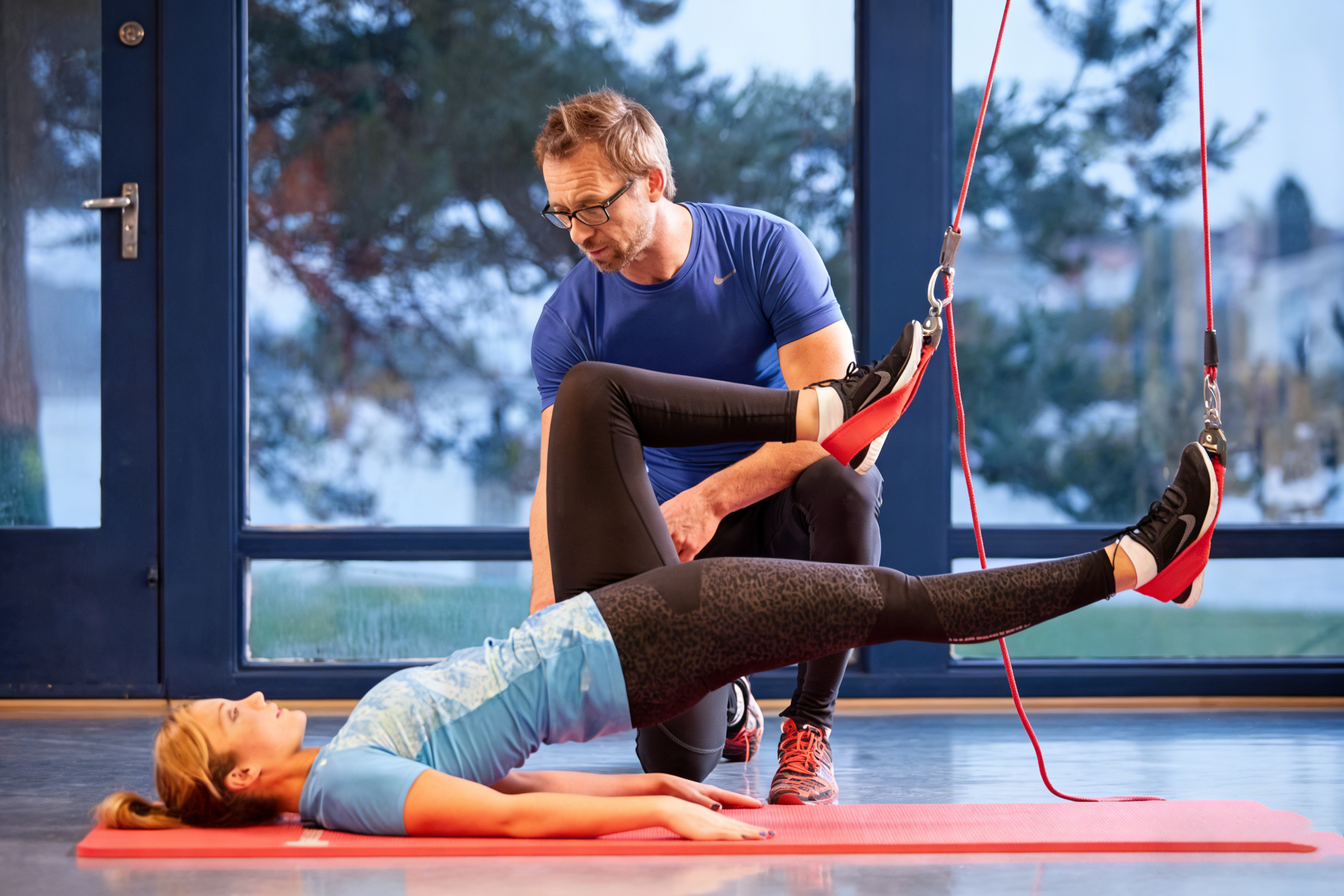
On your road to recovery, we walk with you.
VIEW MORE