 Marie Claire.and 34,342 Customers trust rehabify™.
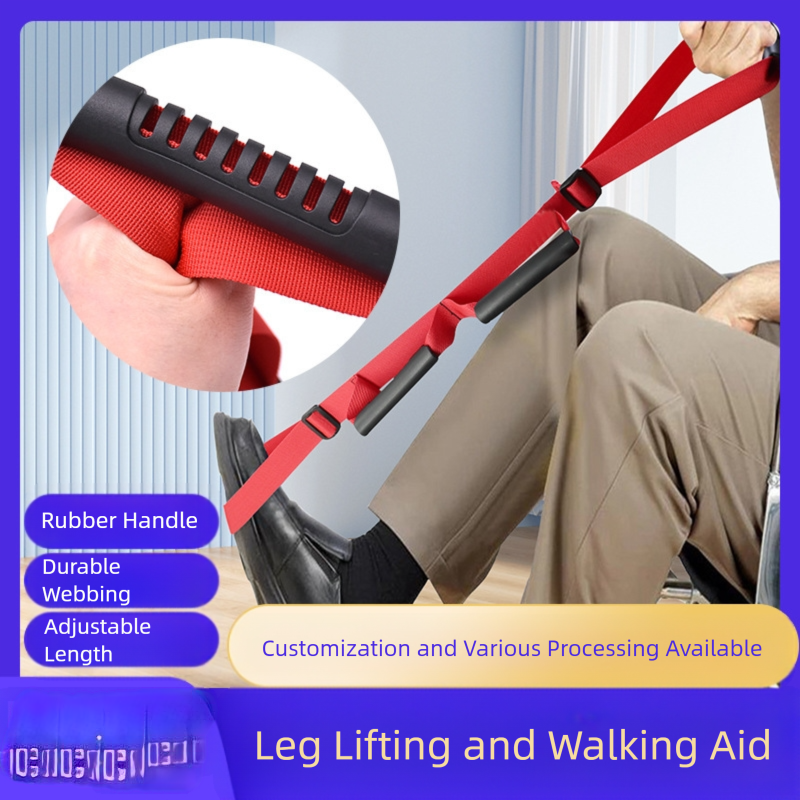
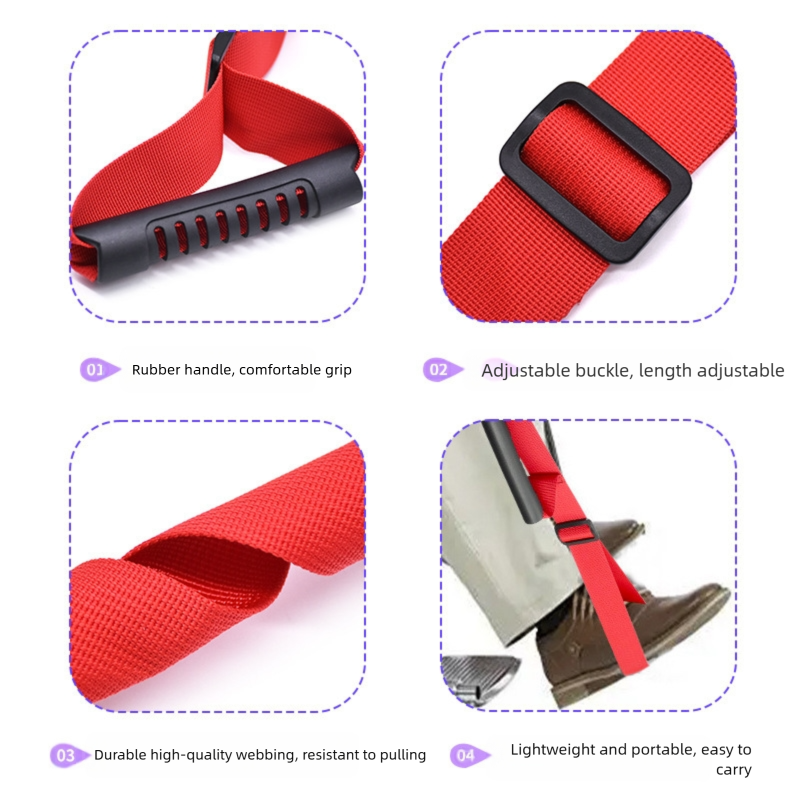
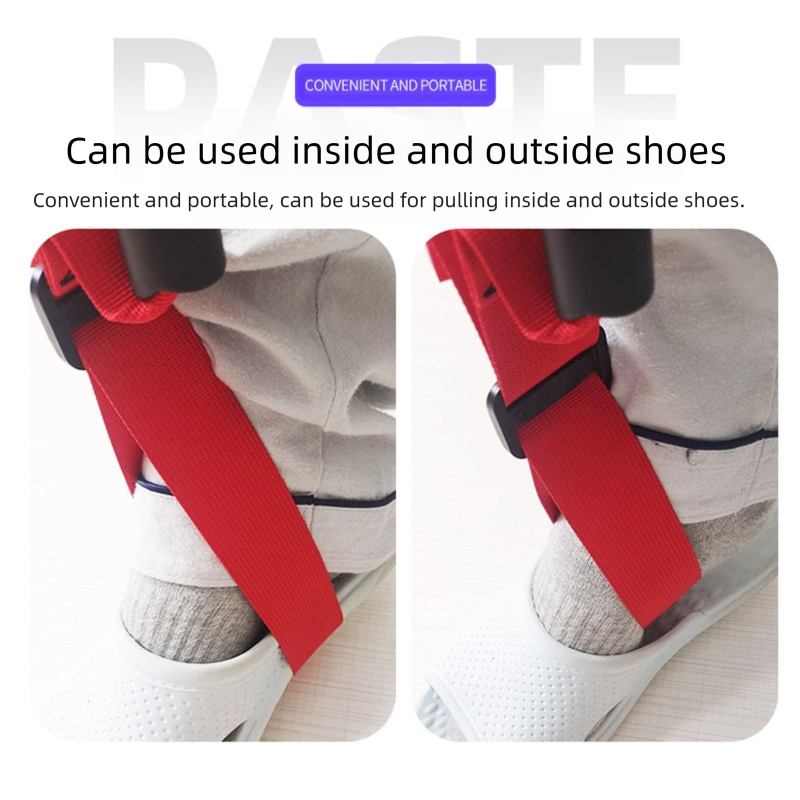
Leg Lift Walking Aid Strap
Product Introduction
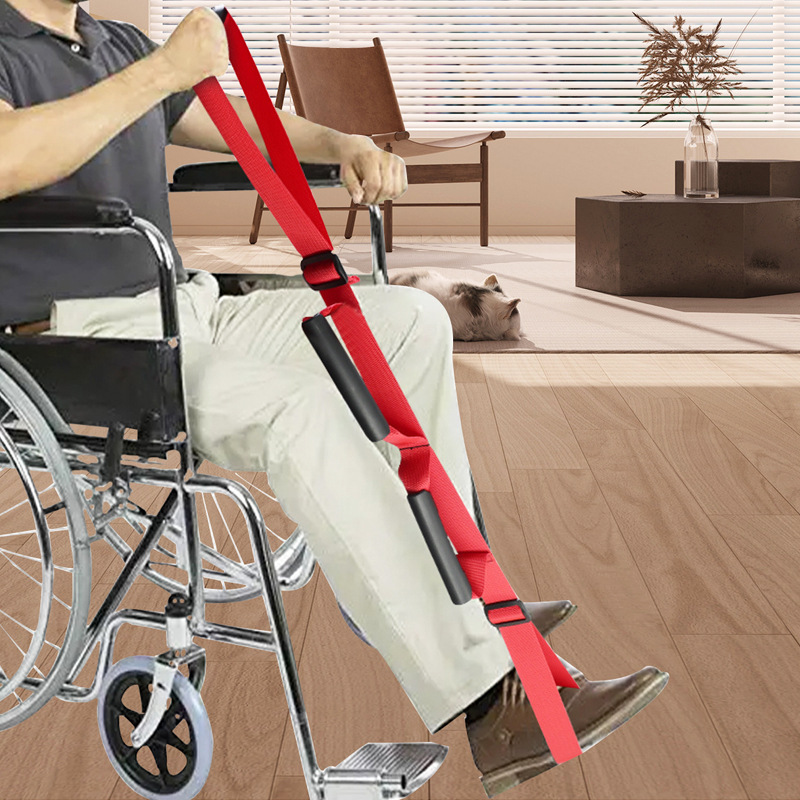
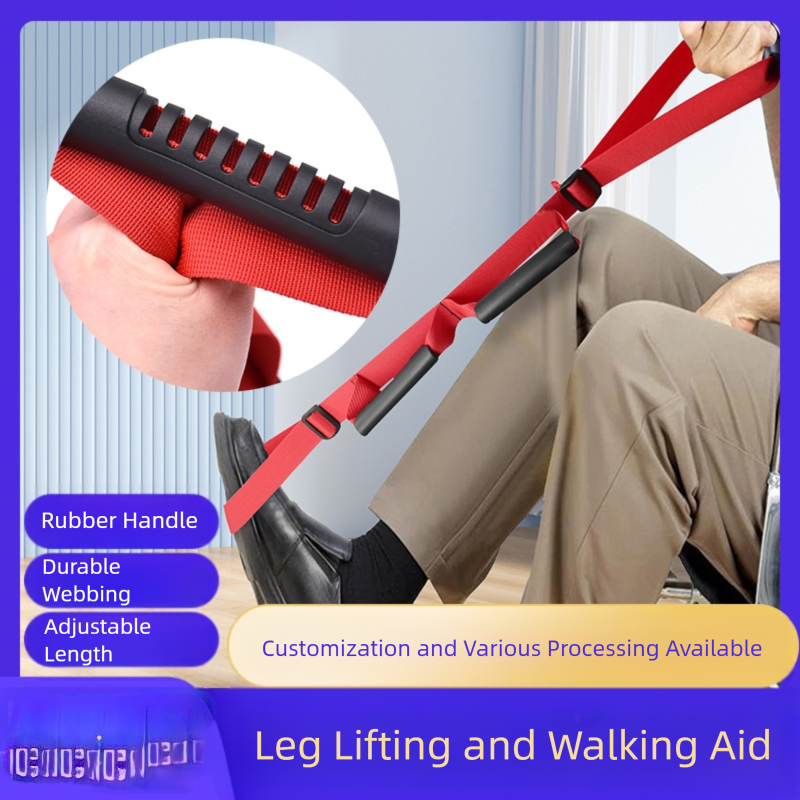
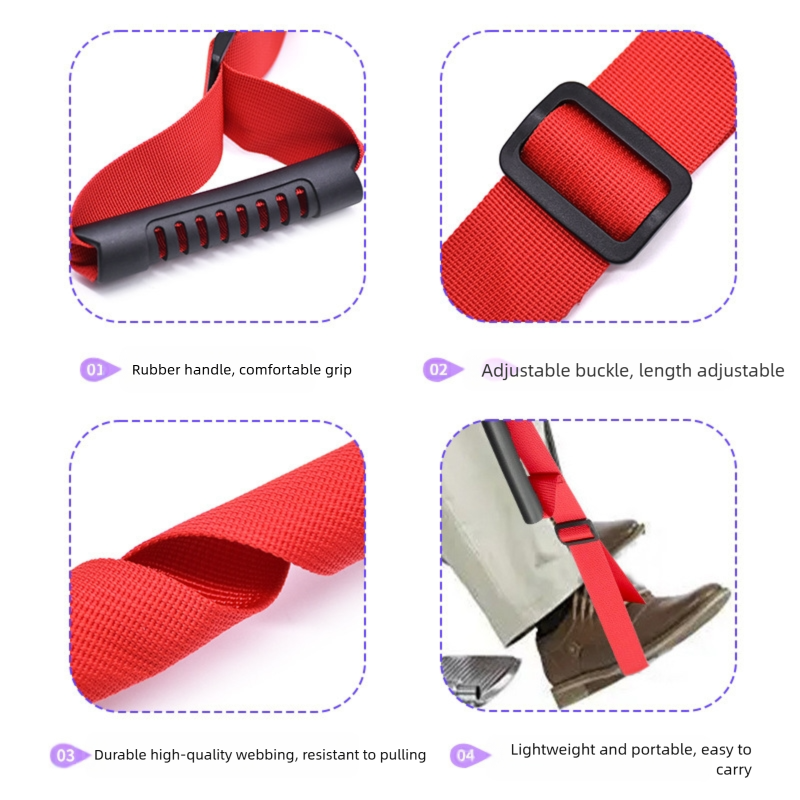
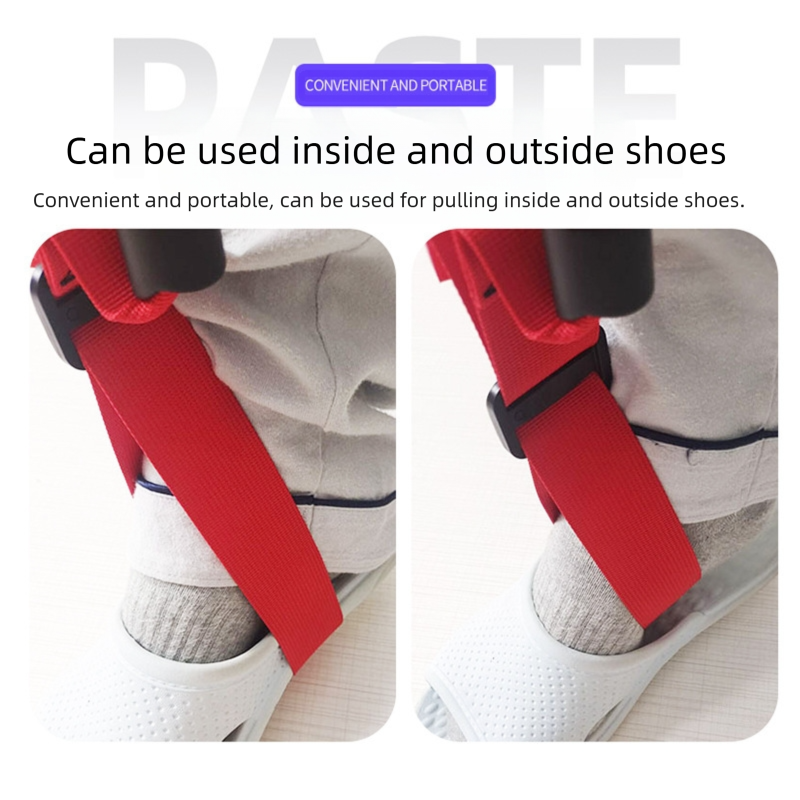
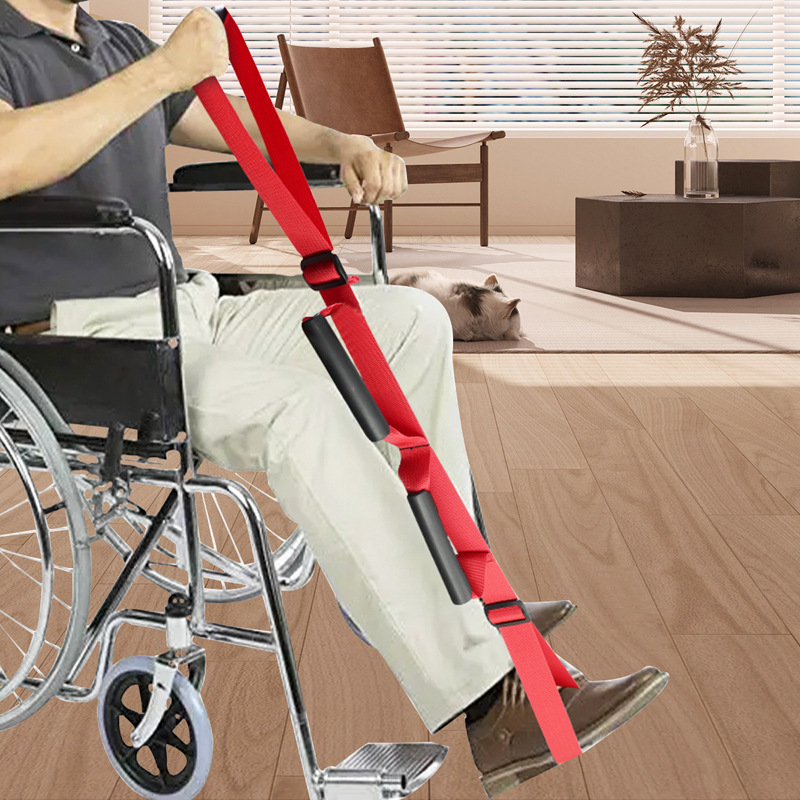
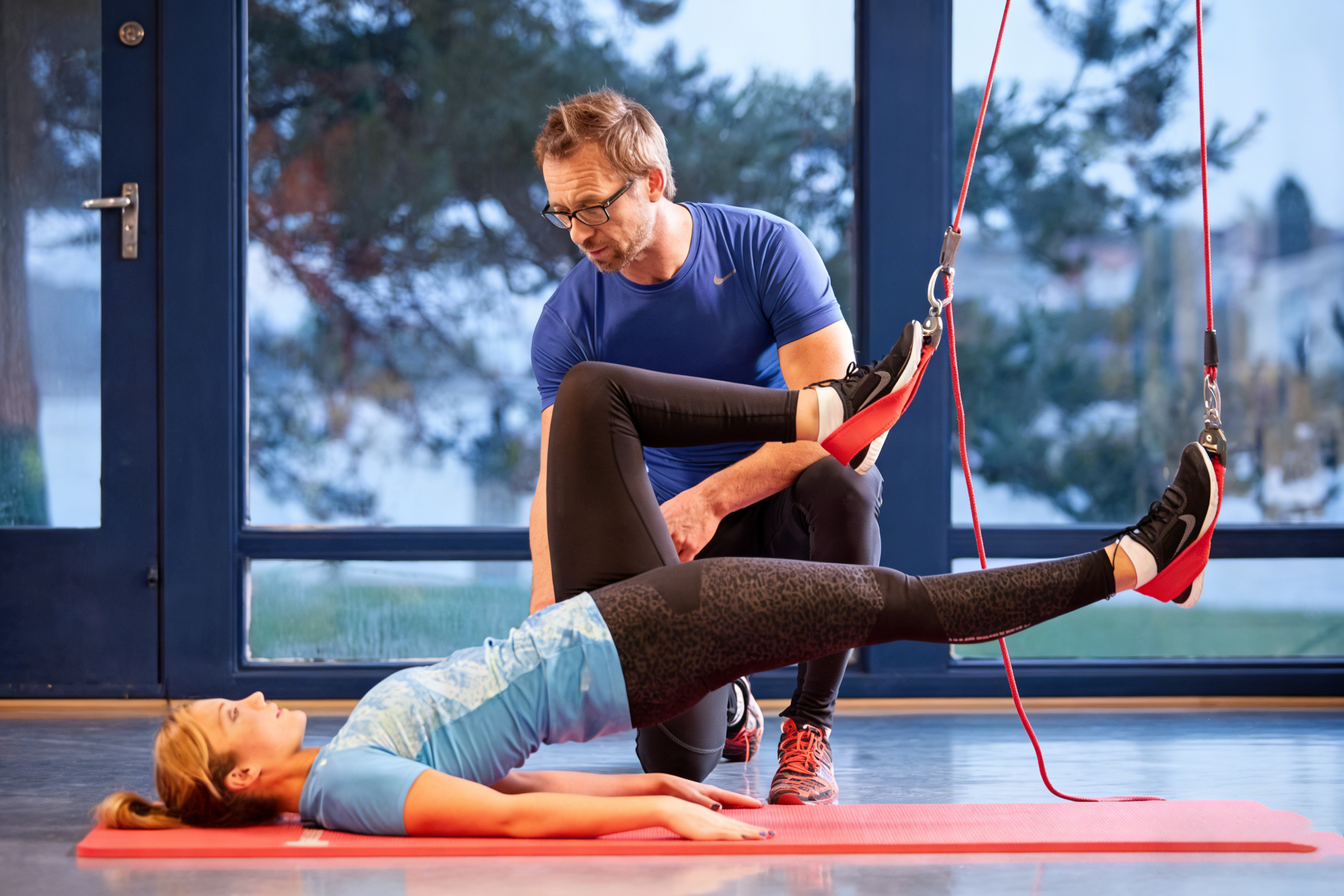
The Walking Aid Belt is designed to support lower limb rehabilitation, assisting leg-lifting movements and gait training while ensuring safety. By providing mechanical, electric, or elastic assistance, it reduces the burden on weak muscles, allowing users to perform rehabilitation exercises independently.
This lightweight nylon device is suitable for postoperative patients, individuals with lower limb weakness, and those with movement disorders caused by stroke, Parkinson’s, or spinal cord injury. Adjustable settings and safety features make it ideal for home use or clinical rehabilitation, promoting blood circulation, reducing complications, and accelerating recovery.
Product specification
| Property | Detail |
|---|---|
| Product Category | Walking Aid Belt |
| Material | Nylon |
| Color | Red |
| Applicable Parts | Feet |
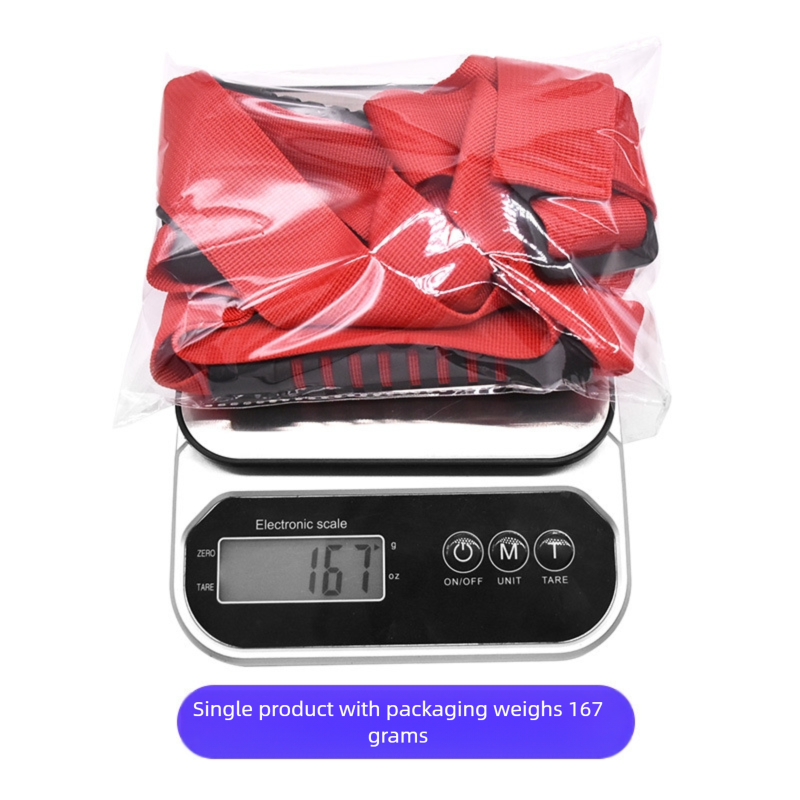
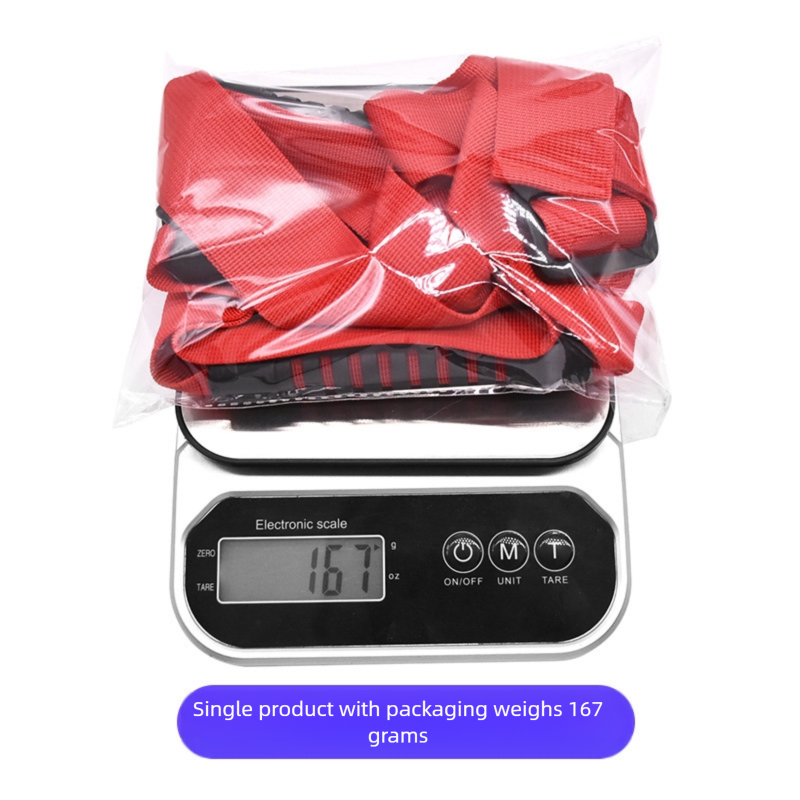
| Weight | 167 g |
| Specification | Uniform code |
| Core Functions | Leg lift assistance, gait training, safety protection |
| Adjustable Features | Multi-speed/height (for electric models) |
| Safety Features | Anti-slip base, fixed straps, handrail design |
Target audience of the product
-
Postoperative rehabilitation patients after hip/knee joint replacement or fracture surgery.
-
Individuals with lower limb weakness, including elderly, hemiplegic, or Parkinson’s patients.
-
Patients with movement disorders from stroke sequelae or incomplete spinal cord injury.
How to Use
-
Wear the belt securely around the waist or legs according to instructions.
-
Adjust mechanical, elastic, or electric assistance to suit current leg strength and rehabilitation needs.
-
Perform leg-lifting movements and gait exercises under safe conditions.
-
For electric models, set appropriate speed and height for training intensity.
-
After use, check fasteners and store the belt safely.
Safety tips
-
First-time use should be guided by a doctor or rehabilitation therapist for proper parameter adjustment.
-
Regularly inspect fasteners, straps, and the anti-slip base to prevent accidents.
-
Avoid overexertion to reduce the risk of secondary injuries.
-
Use on a flat, stable surface to ensure safety during exercises.
You may also like
WHAT CAN WE OFFER YOU?
On your road to recovery, we walk with you.
VIEW MORE